
About Sonny Chiba
Lived 1939 – 2021 (aged 82). Sonny Chiba was a Japanese actor, judoka, seiyū, film producer, film director and lyricist.
, known internationally as Sonny Chiba, was a Japanese actor and martial artist.
Born in Fukuoka, Chiba played a variety of sports in high school, including baseball and volleyball. He also practiced gymnastics and participated at the National Sports Festival of Japan in his third year. When he was a university student, he learned martial arts, earning a black belt in Kyokushin Karate in 1965 and later receiving a fourth degree in 1984.
Chiba's career began in the 1960s, when he starred in two tokusatsu superhero shows. In his first role, he replaced Susumu Wajima as the main character Kōtarō Ran/Seven Color Mask in Seven Color Mask (Nana-iro Kamen) in the second half of the series. However, his breakthrough role was in the 1974 film The Street Fighter. Before retiring, Chiba had also appeared in a number of English language American films, including Kill Bill: Volume 1 (2003) and The Fast and the Furious: Tokyo Drift (2006).
Chiba died of COVID-19 complications at the hospital in Tokyo on 19 August 2021, at the age of 82.
Names Born , he used the stage name "Chiba Shinichi" throughout his professional career. When New Line Cinema released the film in the United States in 1974, they retitled it The Street Fighter and billed its star as Sonny Chiba. Later, Chiba modified the name to "JJ Sonny Chiba", wherein the initials stood for "Justice Japan". After appearing in the taiga drama Fūrin Kazan in November 2007, he announced the retirement of the stage name "Shinichi Chiba"; henceforth he was billed "JJ Sonny Chiba" as an actor and as a film director.
Early life
Chiba was born in Fukuoka, the third of five children. His father was a pilot for the Imperial Japanese Army Air Service; his mother, originally from Kumamoto Prefecture, had competed in track and field in her youth. When he was four years old, his father was transferred to Kisarazu, Chiba, and the family moved to Kimitsu, Chiba Prefecture.
After Chiba went to junior high school in Kimitsu, the physical education teacher advised him to do artistic gymnastics. He also was passionate about track and field sports, baseball, and volleyball. He enjoyed watching movies, including Western movies such as Shane and High Noon. He was a serious candidate for a place in the Japanese Olympic team in his late teens until he was sidelined by a back injury.
Career
Sometime around 1960, he was discovered in a talent search (called "New Face") by the Toei film studio, and he began his screen career soon after. The CEO of Toei at the time gave him the stage name "Shinichi Chiba".
His acting career began on television, starring in two tokusatsu superhero shows, first replacing Susumu Wajima as the main character Kōtarō Ran/ Seven Color Mask in Seven Color Mask (Nana-iro kamen) in the second half of the series and then starring as Gorō Narumi/Messenger of Allah in Messenger of Allah (Allah no Shisha). He starred in the 1961 science fiction movie Invasion of the Neptune Men and the first Kinji Fukasaku film, Drifting Detective: Tragedy in the Red Valley, which marked the beginning of a long series of collaborations for the two. Over the next decade, he was cast primarily in crime thrillers. By 1970, Chiba had started his own training school for aspiring martial arts film actors and stunt performers known as , in order to develop the level of martial arts techniques and sequences used in Japanese film and television. Today the organization is known as Japan Action Enterprise (JAE). He starred in Karate Kiba (Bodyguard Kiba) in 1973, which was his first martial arts movie. Chiba's breakthrough international hit was The Street Fighter (1974) which was brought to Western audiences (dubbed in English) by New Line Cinema. The film and its sequels established him as the reigning Japanese martial arts actor in international cinema for the next two decades. which Chiba would adopt as his own (mostly for non-Japanese projects) from that point on.
Chiba's subsequent projects included such pictures as The Bullet Train (1975), Karate Warriors (1976), Doberman Cop (1977), Golgo 13: Assignment Kowloon (1977), and The Assassin (1977). He also occasionally returned to the science fiction genre, in movies such as Message from Space (1978). He also began to star on some jidaigeki such as Shogun's Samurai (1978), The Fall of Ako Castle (1978), G.I. Samurai (1979), Shadow Warriors (1980), and Samurai Reincarnation (1981). He was not only actor in but also stunt coordinator for G.I. Samurai, Burning Brave (1981), and Shogun's Shadow (1989). He was executive producer and director for Yellow Fangs (1990) and also directed and starred in Oyaji (2007).
Chiba portrayed Yagyū Jūbei Mitsuyoshi multiple times, first in the 1978 film Shogun's Samurai and in its TV series remake The Yagyu Conspiracy, which aired from 1978 to 1979. He then appeared as Jūbei in the TV series Yagyū Abaretabi, which aired from 1980 to 1981 and in the 1981 film Samurai Reincarnation (Makai Tensho) and its theatrical musical version Yagyu Jubei Makai Tensho. He then reprised his role as Jūbei in the second season of Yagyū Abaretabi, this time entitled Yagyū Jūbei Abaretabi, which aired from 1982 to 1983. A few years later he returned to play Jūbei in Iemitsu, Hikoza, and Isshin Tasuke: A National Crisis, a TV movie that aired in 1989. His final appearance as Jūbei was in 2 direct-to-DVD films entitled Sarutobi Sasuke and the Army of Darkness 3: Wind Chapter and Sarutobi Sasuke and the Army of Darkness 4: Fire Chapter in 2005. Other notable Japanese television roles for Chiba were the ninja leaders Hattori Hanzō III, Tsuge Shinpachi, Tarao Hanzō, and Hattori Hanzō XV across multiple seasons of the Shadow Warriors TV series and Hattori Hanzō I in the 2003 direct-to-DVD series follow-up Shin Kage no Gundan (New Shadow Warriors).
Chiba was even busier in the 1980s, doing dozens of movies as well as making forays into television, and with roles in such high-profile adventures as the popular Hong Kong comic-based movie The Storm Riders (1998), starring alongside Ekin Cheng and Aaron Kwok. His fame in Japan remained unabated into the 1990s.
In his fifties, the actor resumed working as a choreographer of martial arts sequences. At the dawn of the 21st century, Chiba was as busy as ever in feature films and also starring in his own series in Japan. Roles in Takashi Miike's Deadly Outlaw: Rekka and his work with directors Kenta and Kinji Fukasaku in Battle Royale II effectively bridged the gap between modern day and yesteryear cinematic cult legends. Chiba's enduring onscreen career received a tribute when he appeared in a key role as Hattori Hanzo, the owner of a sushi restaurant and retired samurai sword craftsman, in director Quentin Tarantino's bloody revenge epic Kill Bill: Volume I in 2003.
Chiba starred in more than 125 films for Toei Studios and has won numerous awards in Japan for his acting.
Personal life
In 1994 Chiba divorced his first wife, actress Yōko Nogiwa. Their daughter Juri Manase is also an actress.
He married Tamami Chiba in 1996, with whom he had a 28-year age difference. They had two sons, Mackenyu Arata and Gordon Maeda, who are both actors. Chiba and Tamami Chiba divorced in 2015.
His younger brother, Jirō Yabuki (also known as Jiro Chiba), was also an actor.
Death In early August 2021, Chiba contracted COVID-19 (due to the highly contagious Delta variant). Initially, he was treated at home, but was hospitalized a few days later on 8 August when he developed pneumonia. He died at the hospital in Kisarazu, Chiba, on 19 August 2021, at the age of 82. He had not received double or triple vaccination, according to his agency. His body was cremated on 20 August after a private funeral.
In Western popular culture The protagonist, Clarence Worley (Christian Slater), in the Quentin Tarantino-written True Romance (1993) is a fan of Chiba. In a pivotal early scene, he watches a Chiba triple feature. A modified version of the opening scroll to the English dub of Karate Kiba (1973, English:: The Bodyguard) was used in the script of Tarantino's 1994 film Pulp Fiction. Tarantino's script changed the Ezekiel 25:17 speech, swapping out "I am Chiba the Bodyguard" for "my name is the Lord".
Tarantino worked with Chiba in 2003 with Kill Bill: Volume I, in which Chiba portrays Katana master maker Hattori Hanzō in a vignette that combines comical interaction with his assistant (Kenji Ohba), with sombre references to traditional Japanese sword making.
The character Takayuki Chiba from the shōnen manga series Kengan Ashura is based on Chiba and Hiroyuki Sanada.
Martial arts ranks Chiba held black belts in the following martial arts: Kyokushin Karate: 4th Dan Goju-ryu karate: 2nd Dan Shorinji Kempo: 2nd Dan Judo: 2nd Dan Kendo: 1st Dan
Filmography
Film
Year Title Role Notes 1961 Police Department Story: Alibi(警視庁物語 不在証明(ありばい)) Detective Nakagawa Police Department Story: The 15 Year Old Woman(警視庁物語 十五才の女) Detective Nakagawa Drifting Detective: Tragedy in the Red Valley(風来坊探偵 赤い谷の惨劇) Gorō Saionji Drifting Detective: Black Wind in the Harbor(風来坊探偵 岬を渡る黒い風) Gorō Saionji Invasion of the Neptune Men(宇宙快速船) Shinichi Tachibana/Iron Sharp Hepcat in the Funky Hat(ファンキーハットの快男児) Ichirō Tenka Police Department Story: Twelve Detectives(警視庁物語 十二人の刑事) Detective Nakagawa Hepcat in the Funky Hat: The 20,000,000 Yen Arm(ファンキーハットの快男児 二千万円の腕) Ichirō Tenka Shinto Boss Series: Employee Ishimatsu Is the Man(進藤の社長シリーズ 石松社員は男でござる) Nagashima 1962 The Kamikaze(南太平洋波高し) Yūki Love School(恋愛学校 ラブ・スクール) Shinichi Kogure Escape: The 2/26 Incident(二・二六事件 脱出) Private First Class Shinohara For Love, the Sun, and the Gang(恋と太陽とギャング) Yamauchi Higher Than the Stars in the Sky(あの空の果てに星はまたゝく) Yoshio Horimoto Tragedy of Twins(残酷な月) Masaki Four Sisters(山麓) Shinkichi Hayami Mid-August Commotion(八月十五日の動乱) Dr. Ōmori Gang vs. G-Men(ギャング対Gメン) Osamu Kaji The Gambler(王将) Mōri The Terrifying Witch(恐怖の魔女) Daisuke Shirono 1963 Twins Searching for Mother(こまどりのりんごっ子姉妹) Ume-san President Jiro and Employee Ishimatsu: Yasugi Bushi Road (次郎長社長と石松社員 安来ぶし道中) Hiroshi Shiomi The Violent Underworld(暴力街) Kazuo Ichinoki Special Tactical Police(特別機動捜査隊) Detective Naitō Twins in the Meadow(こまどり姉妹 未練ごころ) Kenichi Tomizawa Judo for Life(柔道一代) Shirō Hongō Special Tactical Police 2(特別機動捜査隊 東京駅に張り込め) Detective Naitō Lure of A Killer(殺人鬼の誘惑) Daisuke Jōno Gambler Tales of Hasshu: A Man's Pledge(八州遊侠伝 男の盃) Satarō The Chivalrous of Asakusa(浅草の侠客) Shinsuke Hayama The Navy(海軍) Takao Mutaguchi Song of the Yakuza(やくざの歌) Shunji Nitta Gang Chusingura(ギャング忠臣蔵) Shichirō Yatō White Ball(白い熱球) Yōta Ogiwara Life of Blackmail(わが恐喝の人生) Gorō Ozawa 1964 Decree from Hell(地獄命令) Shinichi Ōmatsu Judo for Life: The Devil of Kodokan(柔道一代 講道館の鬼) Shirō Hongō Tokyo Untouchable: Prostitution Underground Organization(東京アンタッチャブル 売春地下組織) Yoshio Hamada Here Because of You(君たちがいて僕がいた) Makoto Yabuki Dragon and Tiger Generation(竜虎一代) Shinichi Matsuhashi 1965 Singing to Those Clouds(あの雲に歌おう) Jun Tonomura That Cute Girl(可愛いあの娘) Morimoto Hey, Clouds!(おゝい、雲!) Saburō Tatsumi Tale of Japanese Burglars(にっぽん泥棒物語) Attorney Ōki The Fugitive(逃亡) Saburō Tateishi Yakuza G-Men: Meiji Underworld(やくざGメン 明治暗黒街) Tōru Shibayama A Villain's Code Of Honor(無頼漢仁義) Sōichi Jinnai Abashiri Prison: Hokkai Territory(網走番外地 北海篇) Hayama 1966 Bitches of the Night(夜の牝犬) Tatsuo Ōtsuki Kamikaze Man: Duel at Noon(カミカゼ野郎 真昼の決斗) Ken Mitarai Terror Beneath the Sea(海底大戦争) Ken Abe Abashiri Prison: Duel in the South(網走番外地 南国の対決) Tanimura Dash to the Sun(太陽に突っ走れ) Takashi Shindō Game of Chance(浪曲子守唄) Bungo Endō Ōgon Bat(黄金バット) Dr. Yamatone 1967 Soshiki Bōryoku(組織暴力) Shinji Takasugi Game of Chance 2(続 浪曲子守唄) Bungo Endō Diaries of the Kamikaze(あゝ同期の桜) Second Sub-lieutenant Hanzawa The North Sea Chivalry(北海遊侠伝) Shūichi Aida King of Gangsters(ギャングの帝王) Matsumoto Game of Chance 3(出世子守唄) Bungo Endō Kawachi Chivalry(河内遊侠伝) Komakichi Sugimoto 1968 Human Torpedoes: Kaiten Special Attack Force(人間魚雷 あゝ回天特別攻撃隊) Chief navigator Takiguchi Army Intelligence 33(陸軍諜報33) Kazuo Yamamoto The Young Eagles of the Kamikaze(あゝ予科練) Second Sub-lieutenant Kodama 1969 Delinquent Boss: Ocho the She-Wolf(不良番長 猪の鹿お蝶) Mitsuo Fujiki Memoir of Japanese Assassinations(日本暗殺秘録) Tadashi Onuma 1970 Yakuza Deka(やくざ刑事) Shirō Hayata Yakuza Cop 2: Marijuana Trafficking Syndicate(やくざ刑事 マリファナ密売組織) Shirō Hayata The Last Suicide Squad(最後の特攻隊) Captain Mishima 1971 Yakuza Cop 3: Poison Gas Affair(やくざ刑事 恐怖の毒ガス) Shirō Hayata Yakuza Cop 4: No Epitaphs for Us(やくざ刑事 俺たちに墓はない) Shirō Hayata 1972 Yakuza Wolf: I Perform Murder(狼やくざ 殺しは俺がやる) Gōsuke Himuro Vice G-Men(麻薬売春Gメン) Yasuo Kikuchi Wandering Ginza Butterfly 2: She-Cat Gambler(銀蝶流れ者 牝猫博奕) Ryūji Azuma Yakuza Wolf 2: Extend My Condolences(狼やくざ 葬いは俺が出す) Tōru Ibuki Vice G-Men 2: Terrifying Flesh Hell(麻薬売春Gメン 恐怖の肉地獄) Haruo Kikuchi 1973 Battles Without Honor and Humanity: Deadly Fight in Hiroshima(仁義なき戦い 広島死闘篇) Katsutoshi Ōtomo Bodyguard Kiba(ボディガード牙) Naoto Kiba Tokyo-Seoul-Bangkok Drug Triangle(東京-ソウル-バンコック 実録麻薬地帯) Tatsuya Wada Bodyguard Kiba 2(ボディガード牙 必殺三角飛び) Naoto Kiba 1974 The Street Fighter(激突! 殺人拳) Takuma Tsurugi Return of the Street Fighter(殺人拳2) Takuma Tsurugi Military Spy School(ルバング島の奇跡 陸軍中野学校) Ichirō Kikuchi The Executioner(直撃! 地獄拳) Ryūichi Sister Street Fighter(女必殺拳) Seiichi Hibiki The Street Fighter's Last Revenge(逆襲! 殺人拳) Takuma Tsurugi The Executioner II: Karate Inferno(直撃地獄拳 大逆転) Ryūichi 1975 Killing Machine(少林寺拳法) Doshin So Young Nobility: Maki of the 13 Steps(若い貴族たち 13階段のマキ) Kenichi Hyūga Wolfguy: Enraged Lycanthrope(ウルフガイ 燃えろ狼男) Akira Inugami The Bullet Train(新幹線大爆破) Aoki Champion of Death(けんか空手 極真拳) Masutatsu Ōyama Detonation: Violent Riders(爆発! 暴走族) Tsugami New Battles Without Honor and Humanity: The Boss's Head(新仁義なき戦い 組長の首) Bartender Uncredited The Defensive Power of Aikido(激突! 合気道) Shinbei Natori Karate Bearfighter(けんか空手 極真無頼拳) Masutatsu Ōyama 1976 Dragon Princess(必殺女拳士) Isshin Higaki Yokohama Underworld: Machine Gun Dragons(横浜暗黒街 マシンガンの竜) Keiichi Komatsu Karate Warriors(子連れ殺人拳) Shūhei Sakata The Rugby Star(ラグビー野郎) Rikio Ōtate Jail Breakers(脱走遊戯) Wataru Kangi Okinawa Yakuza War(沖縄やくざ戦争) Seigō Kunigami 1977 Yakuza War: The Japanese Don(やくざ戦争 日本の首領) Tsuneyoshi Sakota Soul of Chiba(激殺! 邪道拳) Mu Yun Tek Planning Hokuriku Proxy War(北陸代理戦争) Hachirō Kanai Karate for Life(空手バカ一代) Mas Oyama Gambler's Code of Japan(日本の仁義) Katsuji Kogure Doberman Cop(ドーベルマン刑事) Jōji Kanō Torakku Yarō(トラック野郎・度胸一番星) Jōji Niimura Golgo 13: Assignment Kowloon(ゴルゴ13 九竜の首) Golgo 13/Duke Tōgō Black Jack: The Visitor in the Eye(ブラック・ジャック 瞳の中の訪問者) Drunk 1978 Shogun's Samurai(柳生一族の陰謀) Yagyū Jūbei Mitsuyoshi Message from Space(宇宙からのメッセージ) Prince Hans Okinawa: The Ten Year War(沖縄10年戦争) Chōyū Inami The Fall of Ako Castle(赤穂城断絶) Kazuemon Fuwa 1979 Dead Angle(白昼の死角) Yōsuke Ōta Hunter in the Dark(闇の狩人) Samon Shimoguni The Resurrection of the Golden Wolf(蘇える金狼) Mitsuhiko Sakurai The Bushido Blade Prince Ido 1980 Virus(復活の日) Dr. Yamauchi Shogun's Ninja(忍者武芸帖 百地三太夫) Shōgen Shiranui Action director 1981 G.I. Samurai(戦国自衛隊) Lt. Yoshiaki Iba Chanbara Graffiti(ちゃんばらグラフィティー 斬る!) documentary Samurai Reincarnation(魔界転生) Yagyū Jūbei Mitsuyoshi Roaring Fire(吼えろ鉄拳) Shunsuke Tachikawa Action director The Kamikaze Adventurer(冒険者カミカゼ -ADVENTURER KAMIKAZE-) Daisuke Kamikaze The Blazing Valiant(燃える勇者) Action Director 1982 Fall Guy(蒲田行進曲) Himself Ninja Wars(伊賀忍法帖) Yagyū Munetoshi 1983 Kabamaru the Ninja(伊賀野カバ丸) Saizō Igano Planning Legend of the Eight Samurai(里見八犬伝) Dōsetsu Inuyama 1984 Kotaro to the Rescue(コータローまかりとおる!) Moore County colonel Planning 1985 The Last True Yakuza(最後の博徒) Ryōzō Kanō 1986 Cabaret(キャバレー) 1987 Sure Death 4: Revenge(必殺4 恨みはらします) Bunshichi Warabeya 1989 Tetsuro Tamba's Large Spiritual World(丹波哲郎の大霊界 死んだらどうなる) Shogun's Shadow(将軍家光の乱心 激突) Shōzaemon Iba Action director Sensei(せんせい) Makoto Ushiyama Producer 1990 Yellow Fangs(リメインズ 美しき勇者たち) DirectorProducer 1991 Gokudo Wars(極道戦争 武闘派) Takatsugu Kasai 1992 Fighting Fist(HAKEN 覇拳 ふりむけば修羅) Superintendent Yamada Director Aces: Iron Eagle III Colonel Sueo Horikoshi A Mine Field(地雷原) Hiromichi Takagi Original idea The Triple Cross(いつかギラギラする日) Shiba 1994 Immortal Combat Jiro 'J.J.' Jintani 1995 Body Count Makoto 1998 The Storm Riders(風雲 ストームライダーズ) Lord Conqueror 2000 The Legend of the Flying Swordsman(小李飛刀之飛刀外傳) 'Dagger' Yuan-ba Li Born to Be King(勝者為王) Ichio Kusakari Chinchiromai(ちんちろまい) Takeshi Kuroda 2001 The Melancholy Hitman(悲しきヒットマン 蒼き狼) Direct-to-video Akumyoh(悪名) Tōyōzō Kuroshima Direct-to-video Koroshi no Gundan(殺しの軍団) Miyoshi Direct-to-video Koroshi no Gundan 2(殺しの軍団 関西制圧への道) Miyoshi Direct-to-video 2002 Akumyoh 2(悪名2 〜荒ぶる喧嘩魂〜) Tōyōzō Kuroshima Direct-to-video Deadly Outlaw: Rekka(実録 安藤昇侠道伝 烈火) Yasunori Hijikata Yakuza of Legend: Chapter of Raging Fire(伝説のやくざ ボンノ 烈火の章) Don no Michi 6(首領の道6) Takagi Direct-to-video 2003 Don no Michi 7(首領の道7) Takagi Direct-to-video Don no Michi 8(首領の道8) Takagi Direct-to-video New Shadow Warriors(新・影の軍団) Hattori Hanzō I Planning Yakuza of Legend: Chapter of the Setting Sun(伝説のやくざ ボンノ 落日の章) Direct-to-video New Shadow Warriors II(新・影の軍団II) Hattori Hanzō I Planning Don no Michi 9(首領の道9) Takagi Direct-to-video Battle Royale II: Requiem(バトル・ロワイアルII 鎮魂歌) Makio Mimura True Kyūshū Yakuza 1(新実録・九州やくざ烈伝 兇健と呼ばれた男) Isoji Ōga Direct-to-video New Shadow Warriors III(新・影の軍団III 地雷火) Hattori Hanzō I Executive producer Kill Bill: Volume 1 Hattori Hanzō Kenjutsu Choreographer Namishō no Yamamoto-ja! Kenka Yakyū-hen(浪商のヤマモトじゃ! 喧嘩野球編) Direct-to-video 2004 New Shadow Warriors IV(新・影の軍団IV 地雷火) Hattori Hanzō I Executive producer Kill Bill: Volume 2 Hattori Hanzō Kill Bill: The Whole Bloody Affair Hattori Hanzō Zenidō(銭道) Kōjirō Shinkai Zenidō 2(銭道2 借金地獄抜け道指南) Kōjirō Shinkai Zenidō 3(銭道3 なにわ金融指南) Kōjirō Shinkai New Boss of Japan(新・日本の首領) Matsuo Takano Direct-to-video New Boss of Japan 2(新・新・日本の首領II 非情篇) Matsuo Takano Direct-to-video New Boss of Japan 3(新・新・日本の首領III 激闘篇) Matsuo Takano Direct-to-video Survive Style 5+ Kazama Zenidō 4(銭道4 男と女の金融講座) Kōjirō Shinkai Direct-to-video Explosive City(爆裂都市) Otosan Zenidō 5(銭道5 無限連鎖講) Kōjirō Shinkai Direct-to-video 2005 Zenidō 6(銭道6) Kōjirō Shinkai New Shadow Warriors V(新・影の軍団V 服部半蔵VS陰陽師) Hattori Hanzō I New Shadow Warriors VI(新・影の軍団 最終章) Hattori Hanzō I Sarutobi Sasuke and the Army of Darkness 3: Wind Chapter(猿飛佐助 闇の軍団3 風の巻) Yagyū Jūbei Mitsuyoshi Sarutobi Sasuke and the Army of Darkness 4: Fire Chapter(猿飛佐助 闇の軍団4 火の巻 完結篇) Yagyū Jūbei Mitsuyoshi 2006 The Fast and the Furious: Tokyo Drift Boss Kamata Master of Thunder(マスター・オブ・サンダー 決戦!! 封魔龍虎伝) Genryū The Winds of God: Kamikaze Nobutada Ōta True Kyūshū Yakuza 2(実録九州やくざ抗争 誠への道) Isoji Ōga Direct-to-video 2007 True Kyūshū Yakuza 3(実録九州やくざ抗争 誠への道 完結編) Isoji Ōga Direct-to-video Oyaji(親父) Ryūmichi Numata Director 2009 Sennen no Matsu(千年の松) Direct-to-video Sennen no Matsu 2(千年の松 完結篇) Direct-to-video 2012 Shura no Hanamichi(修羅の花道) Yoshio Sutama Shura no Hanamichi 2(修羅の花道 2) Yoshio Sutama Direct-to-video Gokudō no Monshō Part 18(極道の紋章 第十八章) Direct-to-video Sushi Girl Sushi chef 2013 Nihon Tōitsu(日本統一) Seizō Gonda Nihon Tōitsu 2(日本統一 2) Seizō Gonda Direct-to-video 2014 Shura no Denshō Araburu Kyō Inu(修羅の伝承 荒ぶる凶犬) Shūhei Akiyama Kabukichō High School(歌舞伎町はいすくーる) Hakkaisan board chairman Kanto Gokudo Association Part 1(関東極道連合会 第一章) Direct-to-video 2015 Take a Chance Miyamoto Musashi Kanto Gokudo Association Part 2(関東極道連合会 第二章) Direct-to-video April Fools(エイプリルフールズ) Bōryokudan leader So-On: The Five Oyaji(騒音) 2017 Gokudō Tenka Fubu Part 1(極道天下布武 第一幕) Motonari Mōriya Teppen(頂点(てっぺん)) Direct-to-video Gokudō Tenka Fubu Part 2(極道天下布武 第二幕) Motonari Mōriya Teppen 2(頂点(てっぺん) 2) Direct-to-video Teppen 3(頂点(てっぺん) 3) Direct-to-video Shashin Koshien Summer in 0.5 Seconds(写真甲子園 0.5秒の夏) Chair workshop craftsman Gokudō Tenka Fubu Part 4(極道天下布武 第四幕) Motonari Mōriya 2023 Bond of Justice: Kizuna Jō Posthumous release; Final film role
Television
Year Title Role Notes1960 Seven Color Mask(新七色仮面) Seven Color Mask II/Kōtarō Ran 26 episodes Messenger of Allah(アラーの使者) Gorō Narumi 26 episodes Wanted: Demon Fire(指名手配 悪魔の火) 1 episode 1963 The Light of Asakusa(浅草の灯) TV film 1964 JNR Inspector No. 36(鉄道公安36号) Railway Inspector Hayakawa 4 episodes 1965 Flag of Glory(栄光の旗) Lieutenant Yamanaka Part 1 1965–1966 Blind Black Belt(くらやみ五段) Tatsuya Kurami 1965 Special Tactical Police(特別機動捜査隊) Detective Komatsu 1 episode 1965–1966 Kiiroi Fūdo(黄色い風土) 1968–1973 Key Hunter(キイハンター) Yōsuke Kazama 1969 Special Investigation Office(特命捜査室) 1 episode 1970 Judo Straight Line(柔道一直線) Washio 3 episodes 1972–1974 The Young Detective(刑事くん) Detective Yabuki 3 episodes1973 Robot Detective(ロボット刑事) Keitarō Shinjō 2 episodes Suspense Series: Modern Witch Tale Murderous Love(サスペンスシリーズ 現代鬼婆考 殺愛) Shige 1 episode 1974 The Bodyguard(ザ・ボディガード) Shūsuke Washimi 26 episodes 1975 The Gorilla Seven(ザ★ゴリラ7) Daisuke Kazami 26 episodes 1975–1976 Blazing Dragnet(燃える捜査網) Shirō Ōgami 14 episodes 1976 Emergency Line(大非常線) Masahiro Godai 10 episodes Nanairo Tongarashi(七色とんがらし) Tetsuo Samejima 1977 Shingo Tondeke Torimonochō(新伍とんでけ捕物帳) 1978 Crossroads(十字路) Junzō Kihara 3 parts Omoide no Umibe Papa, Boku Shinitakunai!!(想い出の海辺 パパ、ぼく死にたくない!!) TV film 1978–1979 The Yagyu Conspiracy(柳生一族の陰謀) Yagyū Jūbei Mitsuyoshi 39 episodes 1978 Yukiyama Sanka Aru Seishun: Tateta! Subereta!(雪山讃歌・ある青春 〜 立てた! 滑れた!) TV film Southern Cross(南十字星 コルネリアお雪異聞 わたしの山田長政) Miyamoto Musashi TV film 1980 Shadow Warriors(服部半蔵 影の軍団) Hattori Hanzō III 27 episodes Tokyo Great Earthquake Magnitude 8.1(東京大地震マグニチュード8.1) Kobayashi TV film 1980–1981 Yagyu Abaretabi(柳生あばれ旅) Yagyū Jūbei Mitsuyoshi 26 episodes 1981 Keishichō Satsujin-ka(警視庁殺人課) 1 episode 1981–1982 Shadow Warriors II(影の軍団II) Tsuge Shinpachi 26 episodes 1982–1983 Space Sheriff Gavan(宇宙刑事ギャバン) Voicer 6 episodes, uncredited 1982 Shadow Warriors III(影の軍団III) Tarao Hanzō 26 episodes 1982–1983 Yagyu Jubei Abaretabi(柳生十兵衛あばれ旅) Yagyū Jūbei Mitsuyoshi 26 episodes 1983 Space Sheriff Sharivan(宇宙刑事シャリバン) Voicer 1 episode, uncredited 1984 Wonderful Circus Guy(素晴らしきサーカス野郎) Daigaku Maejima TV filmPlanning1985 Shadow Warriors IV(影の軍団IV) Hattori Hanzō XV 27 episodes Shadow Warriors: The End of an Era(影の軍団 幕末編) Hattori Hanzō XV 13 episodes 1986 Shinya ni Yōkoso(深夜にようこそ) Kōzō Murata 4 parts1987 Taikoki(太閤記) Akechi Mitsuhide TV film Tomorrow's Snow(雪の朝に) Dr. Sakamoto TV film A Traveling Girl(旅少女) Takeshi Ishikawa Autumn Scenario(秋のシナリオ) Tatsumi TV film 1988 Tokugawa Ieyasu(徳川家康) Ishikawa Kazumasa TV film Ryokō keba Renzoku Satsujin(旅行けば連続殺人) Tetsuya Nanjō TV film 1989 Oda Nobunaga(織田信長) Oda Nobuhide TV film Iemitsu, Hikoza, and Isshin Tasuke: A National Crisis(家光と彦左と一心太助 天下の一大事) Yagyū Jūbei Mitsuyoshi TV film OL Sennyū! Nippon Fūzoku Meisho(OL潜入! ニッポン風俗名所) Iwata TV film The Days I Saw in My Dreams(夢に見た日々) Shinsaku Sekimoto 10 episodes 1990 Minamoto Yoshitsune(源義経) Zenrinbō Kakunichi TV film Shingo's Ten Duels(新吾十番勝負) Umei Tamon TV film Ashi de Miru-yama(足で見る山) Kurahashi TV film Seventeen Ninja(十七人の忍者) Iga no Jingoza TV film, assistant director 1991 Takeda Shingen(武田信玄) Takeda Nobutora TV film Saito Dosan: Rage of Power(戦国乱世の暴れん坊 斎藤道三 怒涛の天下取り) Akechi Mitsutsuna TV film 1992 Tokugawa Buraichō(徳川無頼帳) Matsudaira Tadateru 24 episodes 1993 Mori Ranmaru: Sengoku o Kake Nuketa Waka Jishi(森蘭丸〜戦国を駆け抜けた若獅子〜) Mori Sanzaemon Yoshinari TV film 1996 Legend of St. Dragon(聖龍伝説) Yūji Saeki 1 episode 1997–1998 Terakoya Yume Shinan(寺子屋ゆめ指南) Matajūrō Sensui 23 episodes 2001 Shotgun-Marriage(できちゃった結婚) Ittetsu Kotani 11 episode 2002 Wind and Cloud(風雲) Lord Conqueror 2005 Legendary Sword fights of Yagyu Jubei(柳生十兵衛七番勝負) Miyamoto Musashi 1 episode Team Astro(アストロ球団) J. Shuro 2007 Fūrin Kazan(風林火山) Itagaki Nobukata 30 episodes 2011 Secret Agent Erika(秘密諜報員 エリカ) Pastor of St. Francisco Church 1 episode 2014 Owakon TV(おわこんTV) Genjirō Aramaki 8 episodes
Shorts
Year Title Role Notes 2013 Ninja Theory(ニンジャセオリー) Ninja master Voice 2018 Shakespeare in Tokyo Calligrapher
Theater
Don’t just read it —
keep it.
Full-length biographies made to live with: read them, listen on the way to work, watch them tonight.
- E-book
- Audio
- Video
Instant download · yours to keep · every purchase keeps this site free
Important facts
People in Sonny Chiba's life
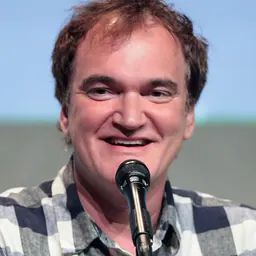
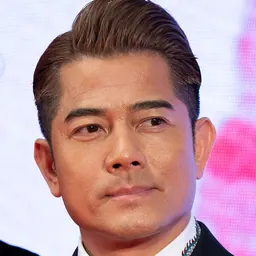
Named in this biography and alive at the same time






Related people
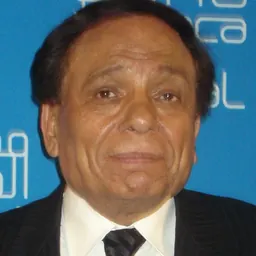
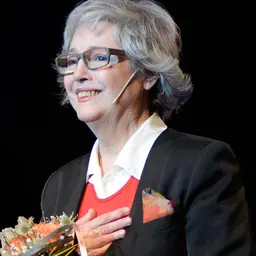
Same field, nearest in time


Contemporaries
People whose lives overlapped Sonny Chiba's


Frequently asked questions
Who was Sonny Chiba?
Japanese actor and martial artist (1939–2021)
When was Sonny Chiba born?
Sonny Chiba was born on 23 January 1939 in Fukuoka.
When did Sonny Chiba die?
Sonny Chiba died on 19 August 2021 in Kimitsu.
What was Sonny Chiba's occupation?
Sonny Chiba was an actor, judoka, seiyū, film producer, film director and lyricist.
What nationality was Sonny Chiba?
Sonny Chiba was Japanese.
Sources & further reading
Cite this page
APA: Biography.guide. (2026). Sonny Chiba. https://biography.guide/sonny-chiba/
MLA: "Sonny Chiba." Biography.guide, https://biography.guide/sonny-chiba/.
Chicago: "Sonny Chiba." Biography.guide. https://biography.guide/sonny-chiba/.
Data last updated: 2026-09-20 · Spot an error? Report a correction.
Page generated 2026-09-27 05:18 UTC