
About Shobhanasundari Mukhopadhyay
Lived 1877 – 1937 (aged 59–60). Shobhanasundari Mukhopadhyay was an Indian writer.
Shobhanasundari Mukhopadhyay (born Shovona Devi Tagore in 1877 in Calcutta; died 26 May 1937, in Howrah ) was an Indian writer, known for her collections of folktales. She was the daughter of Hemendranath Tagore and the niece of writer Rabindranath Tagore.
Biography The fifth daughter of Hemendranath Tagore, Shovona Devi Tagore was raised in an upper-class, English-educated Hindu family in Calcutta (Kolkata). She married Nagendranath Mukhopadhyay, who was an English professor in Jaipur. After this, Mukhopadhyay became interested in recording local oral traditions and folktales.
The Orient Pearls (1915) The Orient Pearls: Indian Folklore contains twenty-eight folktales, gathered by Mukhopadhyay herself, some from family servants. The Orient Pearls was reviewed in publications such as The Dial and The Spectator and appeared in libraries around the world shortly after its publication. The book brought Bengali folktales to the attention of English-speaking folklorists around the world, who used it as a source in their comparative work, including new forms of computer-aided study. Her stories have been republished in recent academic collections of the writings of Indian women.
Some scholars have positioned Mukhopadhyay's work as similar in method and tone to British colonial ethnography. Others describe its similarity to other Victorian short story collections produced in India and elsewhere, filled with subtle ideas about social reform, or as demonstrative of the complex sociopolitical circumstances of translating folktales into the colonizer's language. Others view her interest in local culture as a precursor to Indian nationalism. Another scholar argues that Tagore's preface acknowledges the constrained position of a female author.
Later works Mukhopadhyay published four books on Indian folklore, religion, culture, and myths for the London-based publishing firm Macmillan between 1915 and 1920. In Indian Fables and Folk-lore (1919) and The Tales of the Gods of India (1920), she includes information on her source material for the stories, something she had not previously done.
Works To Whom? An Indian Love Story (translation of Kahake? by Swarnakumari Devi, her aunt) (1898 or 1910 ) The Orient Pearls: Indian Folktales (1915) (At Wikisource; at Archive.org) Indian Nature Myths (1919) (open access at Internet Archive) Indian Fables and Folk-lore (1919) (transcription project; open access on HathiTrust; open access on GoogleBooks) The Tales of the Gods of India (1920)
Family tree
Don’t just read it —
keep it.
Full-length biographies made to live with: read them, listen on the way to work, watch them tonight.
- E-book
- Audio
- Video
Instant download · yours to keep · every purchase keeps this site free
Important facts
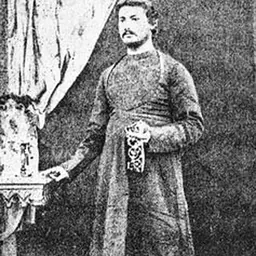
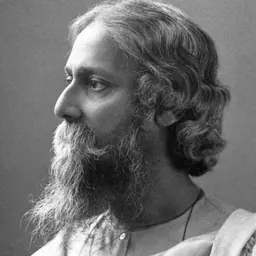
People in Shobhanasundari Mukhopadhyay's life
Named in this biography and alive at the same time

Related people
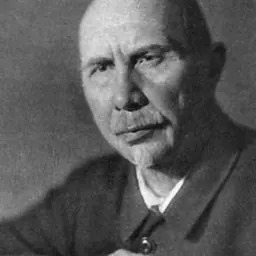
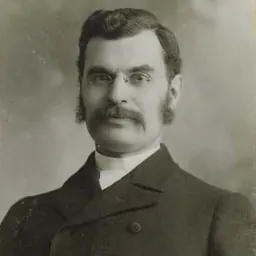
Same field, nearest in time




Contemporaries
People whose lives overlapped Shobhanasundari Mukhopadhyay's




Frequently asked questions
Who was Shobhanasundari Mukhopadhyay?
Indian author
When was Shobhanasundari Mukhopadhyay born?
Shobhanasundari Mukhopadhyay was born in 1877 in Calcutta.
When did Shobhanasundari Mukhopadhyay die?
Shobhanasundari Mukhopadhyay died on 26 May 1937 in Howrah.
What was Shobhanasundari Mukhopadhyay's occupation?
Shobhanasundari Mukhopadhyay was a writer.
What nationality was Shobhanasundari Mukhopadhyay?
Shobhanasundari Mukhopadhyay was Indian.
Sources & further reading
· Wikipedia: Shobhanasundari Mukhopadhyay
· DBpedia: Shobhanasundari Mukhopadhyay
Cite this page
APA: Biography.guide. (2026). Shobhanasundari Mukhopadhyay. https://biography.guide/shobhanasundari-mukhopadhyay/
MLA: "Shobhanasundari Mukhopadhyay." Biography.guide, https://biography.guide/shobhanasundari-mukhopadhyay/.
Chicago: "Shobhanasundari Mukhopadhyay." Biography.guide. https://biography.guide/shobhanasundari-mukhopadhyay/.
Data last updated: 2026-09-20 · Spot an error? Report a correction.
Page generated 2026-09-27 05:28 UTC