
About Samuel R. Rodgers
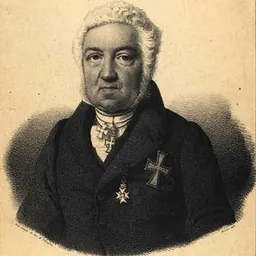
Lived 1798 – 1866 (aged 67–68). Samuel R. Rodgers was an American judge and politician.
Speaker of the state senate
Rodgers presided over the January 1865 convention that reorganized Tennessee's state government. This convention nominated radical Knoxville newspaperman William "Parson" Brownlow for governor, suggested a slate of candidates (including Rodgers) for the state legislature, and proposed an amendment to the state constitution outlawing slavery. In the March 1865 elections scheduled by the convention, Rodgers was elected to the Tennessee Senate seat for the new fifth district, which consisted of Knox and Roane counties (his previous constituency). He further proposed that the legislature take steps to ensure that the loyal people of Tennessee would never again be "governed by rebels." One of the senate's first actions was to ratify the Thirteenth Amendment to the U.S. Constitution, which outlawed slavery.
In May 1865, the state senate turned to a contentious piece of legislation known as the "Franchise Bill," which would bar former Confederates from voting. While the more radical members of the legislature, including Rodgers, vigorously supported the bill, some of the more moderate legislators (including Rodgers' House counterpart William Heiskell) opposed it. Speaking forcefully in favor of the bill, Rodgers stated that Rebels "had no right to live, much less to vote," and that it was "a piece of impudence for them to come here and ask the immunities of loyal citizens of America." In a subsequent speech, he stated that a truly repentant Rebel would ask only of Union leaders, "let me live in the country, I ask no part in the Government, I come back a hired servant." The bill eventually passed.
In early June 1865, Governor Brownlow appointed Rodgers chancellor (judge) of the state's eighth chancery district, which included Sevier, Blount, Monroe, McMinn, Roane, Knox, and Anderson counties. He resigned from the state senate on June 10, 1865, to take this position. He had also reportedly started suffering from the symptoms of tuberculosis, which may have contributed to his decision to leave the senate.
There is no indication that Rodgers ever married or had children. Rodgers died from tuberculosis on July 16, 1866. He is buried in Knoxville's Old Gray Cemetery. He was succeeded as chancellor by fellow attorney and Southern Unionist, Oliver Perry Temple.
Don’t just read it —
keep it.
Full-length biographies made to live with: read them, listen on the way to work, watch them tonight.
- E-book
- Audio
- Video
Instant download · yours to keep · every purchase keeps this site free
Important facts
People in Samuel R. Rodgers's life
Named in this biography and alive at the same time
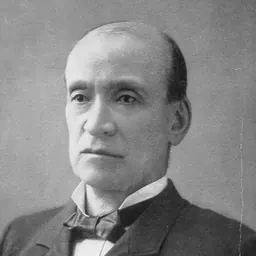
Related people
Same field, nearest in time
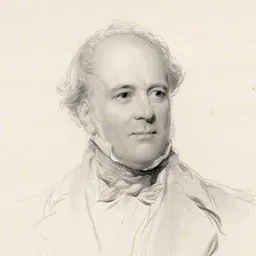


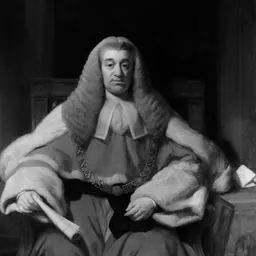
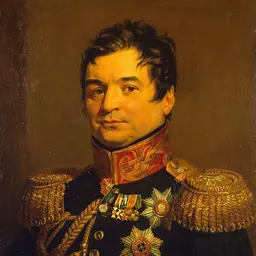
Contemporaries
People whose lives overlapped Samuel R. Rodgers's





Frequently asked questions
Who was Samuel R. Rodgers?
American attorney
When was Samuel R. Rodgers born?
Samuel R. Rodgers was born in 1798 in Greeneville.
When did Samuel R. Rodgers die?
Samuel R. Rodgers died on 14 July 1866 in Knoxville.
What was Samuel R. Rodgers's occupation?
Samuel R. Rodgers was a judge and politician.
What nationality was Samuel R. Rodgers?
Samuel R. Rodgers was American.
Sources & further reading
· Wikipedia: Samuel R. Rodgers
Cite this page
APA: Biography.guide. (2026). Samuel R. Rodgers. https://biography.guide/samuel-r-rodgers/
MLA: "Samuel R. Rodgers." Biography.guide, https://biography.guide/samuel-r-rodgers/.
Chicago: "Samuel R. Rodgers." Biography.guide. https://biography.guide/samuel-r-rodgers/.
Data last updated: 2026-09-24 · Spot an error? Report a correction.
Page generated 2026-09-27 05:05 UTC