
About Romolo Bacchini
Lived 1873 – 1938 (aged 64). Romolo Bacchini was an Italian musician, painter, film director, poet, film producer and director.
Romolo Bacchini, also credited as Bachini (11 April 1872 – 27 March 1938) was a filmmaker, musician, painter and Italian dialect poet, who spent his career during the silent film era.
Biography The processing of the cartoon "The Adventures of Pinocchio". Born Romolo Bachini in Rome, Bacchini, as he later spelled it, was one of the pioneers of Italian silent cinema, directing, and sometimes acting in, more than 50 films. Some have been lost while others were recovered and restored, such as La leggenda dell'edelweiss, of which coils and the original screenplay have been found by researchers of the (MICS) (International museum of film and entertainment), in 1988.
In 1909 he moved to Naples, where the fledgling movie company gave him the artistic direction of its productions. In the capital of Campania he directed many of his movies, among them the historical short film , one of the first Italian movies to be set in the Middle Ages.
In 1936, as art director for CAIR (Cartoni Animati Italiani Roma), he directed The Adventures of Pinocchio, which is believed to be the first animated film dedicated to the novel by Carlo Collodi.
Complete filmography
Directed movies "Lo Spettro Vendicatore" (1914), in which Romolo Bacchini played both as actor and director.
Rolla e Michelangelo (1909) Per l'onore (1909) Odissea di una comparsa (1909) Nozze indiavolate (1909) Il ritorno del bersagliere (1909) Cuor di Pierrot (1909) Amore ed arte (1909) Vittima della Patria (1909) Odio infranto (1909) La vendetta dell'evaso (1909) Corradino di Svevia (L'ultimo degli Hohenstaufen) (1909) L'orologio accusatore (1909) Follia d'amore (1909) La figlia del saltimbanco (1910) Fermo posta (1910) La portatrice di pane (1911) Norma (Episodio della Gallia sotto il dominio di Roma Imperiale) (1911) Il dottore nell'ufficio (1911) Mondana, bandito e cavaliere (1911) La rivoluzione del settembre 1793 (1911) Adottato dal Re! (1912) Sotto la maschera (1913) Il tesoro di Kermadek (1913) L'artiglio spezzato (1913) Tragico ritorno (1914) Nel regno di Tersicore (1914) Dramma al teatro (1914) Insana vendetta (1914) Fior di passione (1914) Lo spettro vendicatore (1914) Espiazione (1914) Brescia, leonessa d'Italia (1915) Altri tempi... altri eroi (1916) Susanna e i vecchioni (1916) L'ostaggio (1916) La voragine (1917) Crevalcore (1917) L'artiglio del nibbio (1917) Il misterioso dramma del fiume (1918) La tigre vendicatrice (1918) La dama misteriosa (1918) Il segreto della badia (1918) Il trionfo di una martire (1918) Le gesta di John Blick (1918) La carezza del vampiro (1918) Il braccialetto misterioso (1919) Nel silenzio dell'anima (1919) L'ombra fatale (1919) Via Crucis (1919) Venere propizia (1919) Joseph (1920) Il mistero dell'uomo che sogna (1920) La leggenda dell'edelweiss (1922)
Director of photography I martiri di Belfiore (1915) Il tank della morte (1917)
Starred movies La collana del milione (1920) Catene di ferro e ghirlande di rose (1916) Susanna e i vecchioni (1916) Altri tempi... altri eroi (1916) Espiazione (1914) Lo spettro vendicatore (1914) Fior di passione (1914)
Music An advertising playbill for the operetta "L'incognita dell'oasi" (1920 ca.).
He graduated in composition and direction at the in Naples, and was a composer (he wrote several operas), director and conductor of the orchestra. He wrote plenty of accompanying music for films and was the first musician in the history of cinema to have composed – in 1905 – specifically created music to accompany a movie ("La Malìa dell'oro", by Filoteo Alberini).
List of musical works (partial)
Directed operas Wanda (Fermo, Teatro dell'Aquila, 27 August 1896, libretto by Enrico Golisciani) Elki lo zingaro (Roma, Teatro Quirino, 12 July 1899, libretto by Augusto Turchi) L'abito fa il monaco (Paris, Téâtre Européen, 22 May 1902, choreography by Rossi) Estropiados (Marsiglia, 7 November 1902, choreography by Gautier, Rossi e Trave) Aprile d'amore (Roma, Teatro Argentina, 25 March 1905, libretto by Augusto Turchi) Incantesimo (lyrics by Conte di Lara, pseudonym of , music by Romolo Bacchini)
Poetry Contemporary and friend of poet and writer , with him he was part of the "Gruppo dei Romanisti" as well as other intellectuals and artists who, during the charming times of Caffé Greco, animated the cultural salons of Rome. He wrote many poetical compositions, revealing himself as particularly inclined into poems, verses and sonnets in Roman dialect. In 1929 he wrote "", a poem in blank verse and quatrains, all in Roman dialect, dealing with the birth of Rome and illustrated by the painter-ceramicist Romeo Berardi.
Don’t just read it —
keep it.
Full-length biographies made to live with: read them, listen on the way to work, watch them tonight.
- E-book
- Audio
- Video
Instant download · yours to keep · every purchase keeps this site free
Important facts
People in Romolo Bacchini's life
Named in this biography and alive at the same time

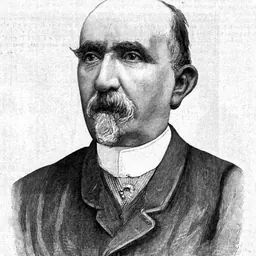


Related people
Same field, nearest in time
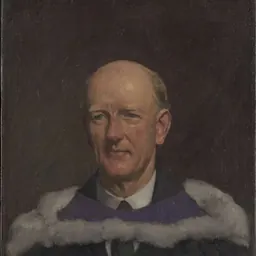
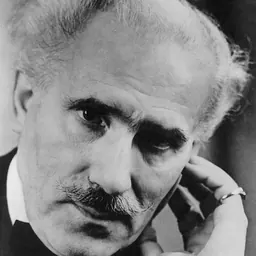



Contemporaries
People whose lives overlapped Romolo Bacchini's

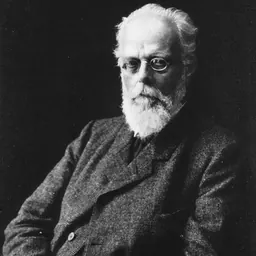

Frequently asked questions
Who was Romolo Bacchini?
Director, musician, writer, painter (1873-1938)
When was Romolo Bacchini born?
Romolo Bacchini was born on 13 September 1873 in Rome.
When did Romolo Bacchini die?
Romolo Bacchini died on 27 March 1938 in Rome.
What was Romolo Bacchini's occupation?
Romolo Bacchini was a musician, painter, film director, poet, film producer and director.
What nationality was Romolo Bacchini?
Romolo Bacchini was Italian.
Sources & further reading
Cite this page
APA: Biography.guide. (2026). Romolo Bacchini. https://biography.guide/romolo-bacchini/
MLA: "Romolo Bacchini." Biography.guide, https://biography.guide/romolo-bacchini/.
Chicago: "Romolo Bacchini." Biography.guide. https://biography.guide/romolo-bacchini/.
Data last updated: 2026-09-20 · Spot an error? Report a correction.
Page generated 2026-09-27 05:28 UTC