
About Plácido Vega y Daza
Lived 1830 – 1878 (aged 47–48). Plácido Vega y Daza was a Mexican military personnel.
Don His ancestors included members of Spanish, Portuguese, and broader European nobility; he was a direct descendant of Cristopher Columbus' great-great-grandson, the admiral and 4th Duke of Veragua and Marquess of Jamaica, Nuño Alvares Pereira Colón de Portugal y Fernández de Córdoba, and his second wife, Luisa de Aragón y Zapata. Through them his family claimed distant connections to figures like Holy Roman Emperor Charlemagne.
His family owned significant lands, mines, and held political influence in Sinaloa after settling in the region in the 18th century. Despite this wealthy conservative background, Vega adopted liberal ideals and supported reforms aimed at reducing the power of the church and elite Secret mission to California In the spring of 1864, as French forces forced Juárez's to constantly relocated his government, Vega y Daza was dispatched as a secret agent to San Francisco, California. His objectives included procuring arms, ammunition, supplies, funds, and volunteers for the republican army while navigating U.S. neutrality laws. He engaged with Mexican-American patriotic juntas. Seeking additional political influence, he became a vice-president of the Union Club of San Francisco. As an officer of the Union Club, he contributed both time and money working on Abraham Lincoln's 1864 re-election.
Vega y Daza returned to Mexico in 1866 with ships carrying armaments and volunteers. Upon arrival, he faced accusations, particularly from Minister Sebastián Lerdo de Tejada, regarding the accounting of mission funds. He defended himself in a 1867 pamphlet, Plácido Vega da Cuenta al Gobierno de la República Mejicana Sobre la Comisión que le fue Conferida al Exterior. He was briefly imprisoned in Mazatlán but escaped en route to Mexico City and sought temporary refuge in the United States. Late career and death In 1870, after the restoration of the Mexican Republic, Vega y Daza joined an uprising against President Juárez alongside the governor of Zacatecas, General Trinidad García de la Cadena. The movement opposed perceived centralization and sought greater regional autonomy. To fund and equip his forces, his forces seized the British-built steamer Forward. Under operational command of subordinate Fortino Vizcaíno, the vessel was repurposed for coastal raids.
The Forward conducted attacks on shipping and settlements in the Gulf of California. A notable raid occurred at Guaymas in late may 1870, where rebels looted the customshouse, extorted merchants and foreign consuls.
These actions were denounced as piracy by the Juárez government, U.S. diplomats, and affected foreign powers, prompting U.S. intervention to protect neutral shipping and interests.The U.S. Navy's sloop-of-war USS Mohican was dispatched. On 17 June 1870. They located the beached vessel at its hideout, engaged its crew in combat, and destroyed it by fire to prevent further use. The engagement became known as the Battle of Boca Teacapan.
His documented use of military marching bands during campaigns in the Reform War and French Intervention links him to the early development of Banda music. Historians note that Vega routinely included these bands to motivate troops entering combat and provide morale during rest periods. This practice is cited in regional histories as a foundational contribution to the cultural tradition that evolved into the modern day music, deeply tied to Sinaloan identity.
On broader Mexican history, critics, notably historian Eustaquio Buelna, portrayed him as authoritarian, questioned his financial management and highlighted alleged irregularities in his administration. In contrast, later rehabilitative works, such as Antonio Lerma Garay's El general traicionado: vida y obra de Plácido Vega Daza (2010), argue that Buelna and other contemporary detractors distorted or omitted facts due to personal and political rivalries. These accounts present Vega as a committed liberal patriot, skilled military organizer, and defender of the 1857 Constitution who faced betrayal after loyal service to Benito Juárez.
Don’t just read it —
keep it.
Full-length biographies made to live with: read them, listen on the way to work, watch them tonight.
- E-book
- Audio
- Video
Instant download · yours to keep · every purchase keeps this site free
Important facts
People in Plácido Vega y Daza's life
Named in this biography and alive at the same time
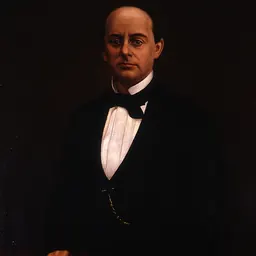

Related people
Same field, nearest in time
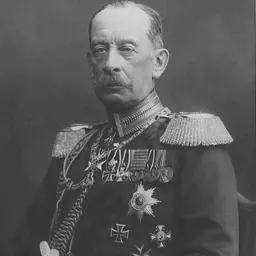
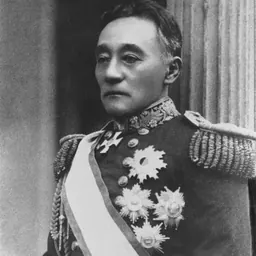

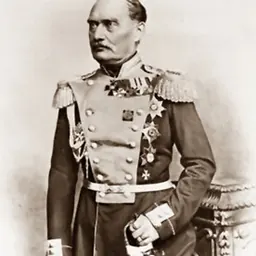
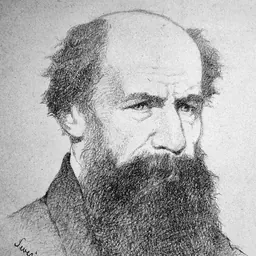

Contemporaries
People whose lives overlapped Plácido Vega y Daza's




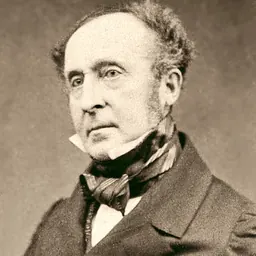
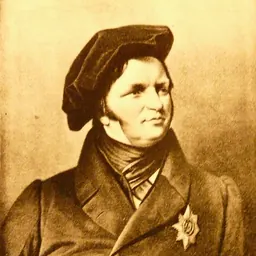
Frequently asked questions
Who was Plácido Vega y Daza?
Mexican general (1830–1878)
When was Plácido Vega y Daza born?
Plácido Vega y Daza was born in 1830 in El Fuerte Municipality.
When did Plácido Vega y Daza die?
Plácido Vega y Daza died on 4 January 1878 in Acapulco de Juárez.
What was Plácido Vega y Daza's occupation?
Plácido Vega y Daza was a military personnel.
What nationality was Plácido Vega y Daza?
Plácido Vega y Daza was Mexican.
Sources & further reading
· Wikipedia: Plácido Vega y Daza
· DBpedia: Plácido Vega y Daza
Cite this page
APA: Biography.guide. (2026). Plácido Vega y Daza. https://biography.guide/placido-vega-y-daza/
MLA: "Plácido Vega y Daza." Biography.guide, https://biography.guide/placido-vega-y-daza/.
Chicago: "Plácido Vega y Daza." Biography.guide. https://biography.guide/placido-vega-y-daza/.
Data last updated: 2026-09-20 · Spot an error? Report a correction.
Page generated 2026-09-27 05:34 UTC