
About Petro Korçari
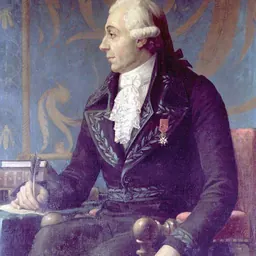
Lived 1770 – 1812 (aged 41–42). Petro Korçari was an architect.
Petro Korçari (also known as Petro Vithkuqari; c. 1770-1812) was an Albanian architect and master builder who served as chief architect to Ali Pasha of Ioannina (also known as Ali Pasha of Tepelenë). He directed most of the pasha's civil and military construction projects between 1800 and 1812.
Biography
The palace of Ali Pasha in Tepelenë, engraving by Edward Finden after a drawing by William Purser (early 19th century). Korçari was one of the architects of this complex.
His name appears in two forms reflecting a scholarly debate over his origins. The historian Dhimitër Shuteriqi links him directly to the city of Korçë, hence the epithet Korçari ("the one from Korçë"). However, a document from Ali Pasha's archive identifies his birthplace as the village of Vithkuq, near Korçë, which gives rise to the alternative name Petro Vithkuqari. The "Pasha's Room", originally built in the 18th century, was also renovated under his direction.
Porto Palermo Castle, near Himarë, whose reconstruction under Ali Pasha is attributed to Korçari.
Porto Palermo Castle, near Himarë, was strengthened by Ali Pasha from 1804 under Korçari's direction. The surviving stone bridge measures 40 metres in length, 16 metres in height and 2.3 metres in width. The greater part of the aqueduct was demolished in 1932; the Dunavat Bridge is the only section still standing.
Palaces and residences
The palaces of Ioannina were designed and built by Korçari, who was also responsible for the layout of Ioannina's urban centre. The fortress of Ioannina, completed in 1805, is considered one of his most ambitious undertakings. It was destroyed in 1822.
He also designed several houses, a mosque and a fortress at Souli, near Parga, in Greece.
Lost works
A large number of Korçari's constructions did not survive the conflicts and political instability that characterised the Epirus region during the 19th century: the fortress of Ioannina was destroyed in 1822 following the fall of Ali Pasha, the fortress and bridge of Tepelenë were razed in the early 19th century, and the terminal section of the Gjirokastër Aqueduct was demolished in 1932.
Legacy
Several streets in major Albanian cities bear the name of Petro Korçari today.
Don’t just read it —
keep it.
Full-length biographies made to live with: read them, listen on the way to work, watch them tonight.
- E-book
- Audio
- Video
Instant download · yours to keep · every purchase keeps this site free
Important facts
People in Petro Korçari's life
Named in this biography and alive at the same time

Related people
Same field, nearest in time

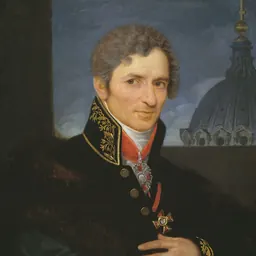
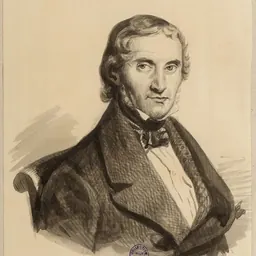
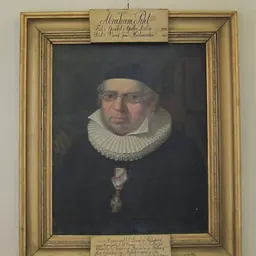
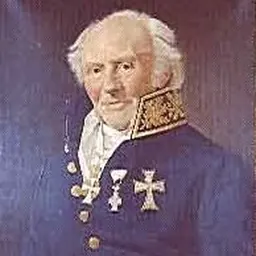
Contemporaries
People whose lives overlapped Petro Korçari's




Frequently asked questions
Who was Petro Korçari?
Albanian architect
When was Petro Korçari born?
Petro Korçari was born in 1770.
When did Petro Korçari die?
Petro Korçari died in 1812.
What was Petro Korçari's occupation?
Petro Korçari was an architect.
Sources & further reading
Cite this page
APA: Biography.guide. (2026). Petro Korçari. https://biography.guide/petro-korcari/
MLA: "Petro Korçari." Biography.guide, https://biography.guide/petro-korcari/.
Chicago: "Petro Korçari." Biography.guide. https://biography.guide/petro-korcari/.
Data last updated: 2026-09-20 · Spot an error? Report a correction.
Page generated 2026-09-27 05:26 UTC