
About Paulina Irby
Lived 1831 – 1911 (aged 79). Paulina Irby was a British travel writer, philanthropist, writer and feminist, known for Ottoman Empire.
Adeline Paulina Irby (19 December 1831 – 15 September 1911) was a British travel writer and suffragist who founded an early girls' school in Sarajevo and organized relief to thousands of refugees. The centenary of her death was commemorated throughout the former Yugoslavia where she is often referred to simply as Miss Irby.
Life (Adeline) Paulina Irby was born in 1831. Her father's home was at Boyland Hall in Morningthorpe. Her parents were Rear-Admiral Frederick Paul Irby and Frances Wright. Her mother, her father's second wife, came from Mapperley Hall near Nottingham. Her brother Colonel Howard Irby was a noted ornithologist.
Irby set out with her Scottish companion Georgina Muir Mackenzie initially to visit spa towns in Austria-Hungary and Germany in 1857. In 1858 they were arrested as spies in Starý Smokovec, a spa town in the Carpathian Mountains, on the grounds that they had "pan-Slavistic tendencies". They did not stand trial, and neither of them were aware of the underlying issues, but they were both intrigued by the subject. They travelled in Albania and Serbia investigating the conditions and both became supporters of Serbia and the southern Slavs as they saw their conditions under the perceived poor government by the Ottoman rulers. They were particularly concerned by the plight of Serbian Orthodox women and girls who found they had poor access to positions and schooling. Irby and Nightingales had met at the Deaconess's Institute of Kaiserswerth.
Their requests for money were very successful and they opened a Christian school in Sarajevo staffed by German Protestant Deaconesses. Irby took the lead in managing this school in 1871 helped by Priscilla Johnson who herself came from a campaigning family. By 1878 there were 21 schools educating 2,000 Christian children and supplying food and clothing in Dalmatia and Slavonia. Irby had been in correspondence with Florence Nightingale for many years and Nightingale kept copies of the letters but Irby requested that Nightingale's supportive, but occasionally critical, letters be destroyed after her death. Similarly, a street in Belgrade, within the municipality of Zvezdara, Ulica Mis Irbijeve carries her name. The street was renamed to Ulica Zage Malivuk during the communist period, after the Yugoslav Communist Party (KPJ) activist and World War II Partisan Zagorka "Zaga" Malivuk. In 2004, the street's original name after Paulina Irby was reinstated.
For a number of years, an annual ceremony was held at her grave to mark the shot that initiated the First World War and there was belated commemorations of the centenary of her birth (in 1934) throughout Yugoslavia.
Don’t just read it —
keep it.
Full-length biographies made to live with: read them, listen on the way to work, watch them tonight.
- E-book
- Audio
- Video
Instant download · yours to keep · every purchase keeps this site free
Important facts
People in Paulina Irby's life
Named in this biography and alive at the same time


Related people
Same field, nearest in time
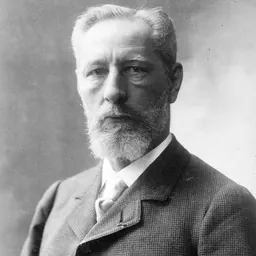

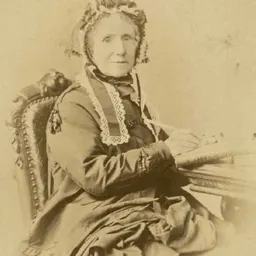
Contemporaries
People whose lives overlapped Paulina Irby's



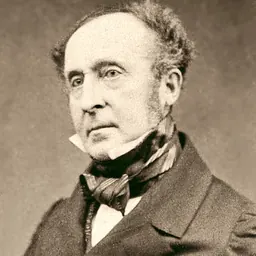
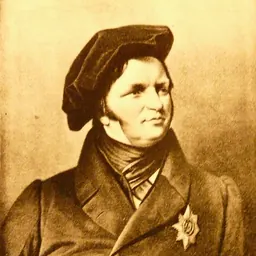
Frequently asked questions
Who was Paulina Irby?
British travel writer and suffragist (1831–1911)
When was Paulina Irby born?
Paulina Irby was born on 19 December 1831 in Morningthorpe.
When did Paulina Irby die?
Paulina Irby died on 15 September 1911 in Sarajevo.
What was Paulina Irby's occupation?
Paulina Irby was a travel writer, philanthropist, writer and feminist.
What was Paulina Irby known for?
Paulina Irby was known for Ottoman Empire.
What nationality was Paulina Irby?
Paulina Irby was British.
Sources & further reading
Cite this page
APA: Biography.guide. (2026). Paulina Irby. https://biography.guide/paulina-irby/
MLA: "Paulina Irby." Biography.guide, https://biography.guide/paulina-irby/.
Chicago: "Paulina Irby." Biography.guide. https://biography.guide/paulina-irby/.
Data last updated: 2026-09-20 · Spot an error? Report a correction.
Page generated 2026-09-27 05:24 UTC