
About Ozod Sharafiddinov
Lived 1929 – 2005 (aged 75–76). Ozod Sharafiddinov was a Russian and Uzbek opinion journalist, translator, lecturer and writer.
Ozod Sharafiddinov (1 March 1929 - 4 October 2005) is a literary scholar and critic. He was born in the village of Okhunqaynar near Kokand. He graduated from the 14th secondary school in Tashkent, the Faculty of Philology of the Central Asian State University (now the National University of Uzbekistan) in 1951. He completed his postgraduate studies in Moscow, received his PhD degree in 1955. Ozod Sharafiddinov studied the problems of poetry, wrote literary-critical articles on Uzbek poetry and its state. His scientific-creative and literary-critical researches of that period are reflected in the work “Time. Heart. Poetry”. In the 60–80s of the 20th century, he promoted the life and work of Cholpon. Ozod Sharafiddinov created literary portraits of the representatives of Uzbek literature such as Oybek, Gafur Gulyam, Abdulla Qahhor, Shaykhzoda, Mirtemir, Zulfiya: “Jewels of Talent” (1976), “Literary Studies” (1968), “Abdulla Qahhor” (1988), “The First Miracle” (1979). The book of literary-critical sketches “The Seekers of Beauty” (1974), which was created on the works of the representatives of other literatures, occupies an important place in the scientist's work. Ozod Sharafiddinov reflected the situations in the Uzbek literary process from the 60s of the XX century to the XIX century in the works such as “Talent is the Property of the People” (1979), “Literature is the Lesson of Life” (1981), “Searching for Beauty” (1985), “Loyalty to the Truth” (1988), “Pages of Passion” (1999), “President” (2003).
Works Sharafiddinov's work history can be divided into two periods. The first period took place in the Soviet totalitarian system, where he studied the problems of protecting literature from the totalitarian ideology, conducting research on the basis of literary laws (“The Laughter of Zaharxanda”, 1962; “The Charm of Liveliness, the Inertia of Schematism”, 1979; “The Last Line Became the Glory of the Homeland”, 1979; “There is a Lot of Poetry, but Where is the Poet?”, 1983). The second period is the main period of his critical activity, which covers his work in the years of independence. In this period, Sharafiddinov studied the problems of shaping the national literature, rebuilding the Uzbek literary scholarship and criticism, assimilating the traditions of world literature and improving the art of translation (“Let’s Speak in One Language”, 1987; “A Stone of Wisdom from a Bunch of Words”, 2000; “Where are You, Moriko?”, 2002).
Sharafiddinov became known as a literary scholar in the 60s of the 20th century. In the book “Time. Heart. Poetry” (1962), he analyzed literary works from the point of view of artistic laws. His researches are devoted to the analysis of literature on the basis of national ideas and literary laws. In the book “Literary Studies” (1968), he discussed the issues of the creative personality and its place in the artistic work. His scientific articles included in the collections “The Seekers of Beauty” (1974), “Jewels of Talent” (1976) are about the traditions, means of studying the classical literature and the problems of studying the world literature. Sharafiddinov initiated the tendencies of accepting the national and world literature traditions in harmony in the Uzbek literary scholarship and criticism.
Sharafiddinov illuminated the important issues of Uzbek poetry, prose and criticism in the works “The First Miracle” (1979), “Talent is the Property of the People” (1979), “Literature is the Lesson of Life” (1980), “In Harmony with Life” (1983), “Searching for Beauty” (1985).
Translated works Sharafiddinov introduced the concept of criticism to the art of translation. He translated Lev Tolstoy's “Confession”, Paulo Coelho's “The Alchemist”, A. Sevelin's “Stop the Plane, I’ll Fall Off” into Uzbek.
The essence of Sharafiddinov's work is the book “Ijodni anglash baxti” (The Fortune of Understanding the Art) (2004). In it, he examined the place and scientific-spiritual values of Uzbek literature in the world literary process. the owner of the orders “Outstanding Merit” (1999), “Labor Glory” (1997). On August 23, 2002, Ozod Sharafiddinov was awarded the title of “Hero of Uzbekistan”.
Don’t just read it —
keep it.
Full-length biographies made to live with: read them, listen on the way to work, watch them tonight.
- E-book
- Audio
- Video
Instant download · yours to keep · every purchase keeps this site free
Important facts
People in Ozod Sharafiddinov's life
Named in this biography and alive at the same time

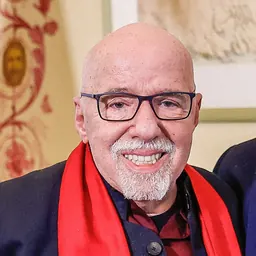

Related people
Same field, nearest in time
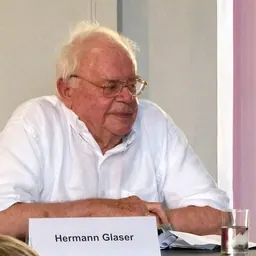
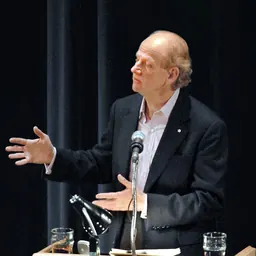
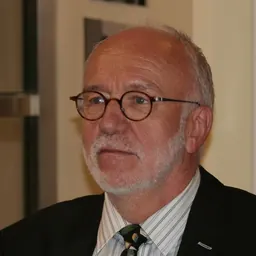

Contemporaries
People whose lives overlapped Ozod Sharafiddinov's

Frequently asked questions
Who was Ozod Sharafiddinov?
Uzbek literary scholar
When was Ozod Sharafiddinov born?
Ozod Sharafiddinov was born on 1 March 1929 in Tashkent.
When did Ozod Sharafiddinov die?
Ozod Sharafiddinov died in 2005 in Tashkent.
What was Ozod Sharafiddinov's occupation?
Ozod Sharafiddinov was an opinion journalist, translator, lecturer and writer.
What nationality was Ozod Sharafiddinov?
Ozod Sharafiddinov was Russian and Uzbek.
Sources & further reading
· Wikipedia: Ozod Sharafiddinov
Cite this page
APA: Biography.guide. (2026). Ozod Sharafiddinov. https://biography.guide/ozod-sharafiddinov/
MLA: "Ozod Sharafiddinov." Biography.guide, https://biography.guide/ozod-sharafiddinov/.
Chicago: "Ozod Sharafiddinov." Biography.guide. https://biography.guide/ozod-sharafiddinov/.
Data last updated: 2026-09-20 · Spot an error? Report a correction.
Page generated 2026-09-27 05:13 UTC