
About Nicolas Racot de Grandval
Lived 1676 – 1753 (aged 76–77). Nicolas Racot de Grandval was a French composer, playwright, writer, conductor, stage actor and harpsichordist.
Nicolas Racot de Grandval (1676 – 16 November 1753) was a French composer, harpsichordist and playwright. He was born and died in Paris and was also named „Le Père Grandval“.
Although a respectable musician, at one time organist at St Eustache, his interests ran more to comedy, both in written comic dramas, such as the "Broken bed pot" and in musical comedy such as frivolous parodies on Clérambault's cantatas. His sister Marie-Hortense married the actor Charles Botot Dangeville.
Works Theatre 1693: La Baguette, comedy in 1 act and in prose, Théâtre-Français, 4 April 1697: Le Bourget, comedy in 1 act and in prose, Théâtre-Français, 23 May 1701: Les Trois Gascons, comedy in 1 act and in prose, Théâtre-Français, 4 June 1702: Le Bal d'Auteuil, comedy in 3 acts and in prose, Théâtre-Français, 22 August 1704: Le Port de mer, comedy in 1 act and in prose, Théâtre-Français, 27 May 1707: Le Diable boiteux, comedy in 1 act and in prose, Théâtre-Français, 8 October 1709: La Foire Saint-Laurent, comedy in 1 act and in verse, Théâtre-Français, 20 September 1713: L'Usurier gentilhomme, comedy in 1 act and in prose, Théâtre-Français, 11 September 1717: Le Prix de l'arquebuse, comedy in 1 act and in prose, Théâtre-Français, 1 October 1722: Le Camp de Porché-Fontaine, comedy in 1 act and in prose, Théâtre-Français, 9 October 1729: Les Réjouissances publiques, ou le Gratis, comedy in 1 act and in prose, Théâtre-Français, 18 September 1730: Le Divorce, ou les Époux mécontents, comedy in 3 acts and in verse with prologue, Théâtre-Français, 29 April 1731: Le Mari curieux, comedy in 1 act and in prose, Théâtre-Français, 17 July 1735: Les Acteurs déplacés, comedy in 1 act and in prose with prologue, Théâtre-Français, 14 October 1738: Le Consentement forcé, comedy in 1 act and in prose, Théâtre-Français, 13 August 1739: Ésope au Parnasse, comedy in 1 act and in verse, Théâtre-Français, 14 October 1742: Amour pour amour, comedy in 3 acts and in verse with prologue, Théâtre-Français, 16 February 1742: La Fête d'Auteuil, ou la Fausse méprise, comedy in 3 acts and in free verse, Théâtre-Français, 23 August 1743: Zénéïde, comedy in 1 act and in verse, Théâtre-Français, 13 May 1744: L'Algérien, ou les Muses comédiennes, comédie-ballet in 3 acts and in verse with prologue, Théâtre-Français, 15 September 1744: Le Quartier d'hiver, comedy in 1 act and in verse, Théâtre-Français, 4 December 1745:L'Étranger, comedy in 1 act and in verse, Théâtre-Français, 9 August 1745:Les Souhaits pour le roi, comedy in 1 act and in free verse, Théâtre-Français, 30 August 1747:Persiflès, tragedy in 4 acts and in vers, Versailles, Théâtre des Petits cabinets, 20 December 1756:Agate, ou la Chaste princesse, tragedy La Chauve-souris du sentiment, one-act comedy, s. d. Le Pot de chambre cassé, tragédie pour rire ou comédie pour pleurer, dédiée à un habitant de l'autre monde, avec un discours préliminaire sur l'excellence des nouvelles découvertes en poésie, représentée pour la première fois à Ridiculomanie, capitale du grand royaume de Bavardise, à l'occasion du mariage du génie Pompon et de la fée Clinquantine, le 12 de la lune du verseau, remise au théâtre le 19 de la lune de l'écrevisse, l'an 30 depuis le renouvellement de l'ortographe, s. d. Attribuée aussi à Sulpice-Edme Gaubier de Barrault. Varia 1732: Essai sur le bon goust en musique. Reprint: Genève et Paris, Minkoff, 1992. 1725: Le Vice puni, ou Cartouche, poem, with a slang-French lexicon [1723 par erreur de Barbier 1822 reprise in Quérard 1829], then a French-slang lexicon from some editions from 1725 or 1726 Text online of an unfaithful reprint of 1827 1746: Almanach des proverbes augmenté pour 1746. Composé par Cartouchivandeck
Music Comic cantata Rien de tout - recorded by Béatrice Mayo-Felip (Nicolas Racot de Granval, Cantates Sérieuses & Comiques dir. Iakovos Pappas, 2001) Patricia Petibon (Airs Baroques Français, 2002) and Dominique Visse (Cantates & Concertos Comiques 2010)
Don’t just read it —
keep it.
Full-length biographies made to live with: read them, listen on the way to work, watch them tonight.
- E-book
- Audio
- Video
Instant download · yours to keep · every purchase keeps this site free
Important facts
People in Nicolas Racot de Grandval's life
Named in this biography and alive at the same time

Related people
Same field, nearest in time

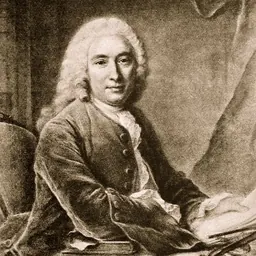
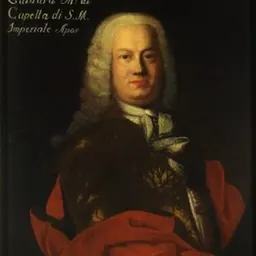
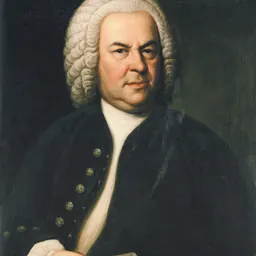
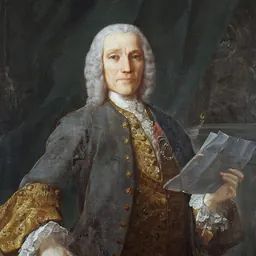
Contemporaries
People whose lives overlapped Nicolas Racot de Grandval's



Frequently asked questions
Who was Nicolas Racot de Grandval?
composer and harpsichordist
When was Nicolas Racot de Grandval born?
Nicolas Racot de Grandval was born in 1676 in Paris.
When did Nicolas Racot de Grandval die?
Nicolas Racot de Grandval died on 16 November 1753 in Paris.
What was Nicolas Racot de Grandval's occupation?
Nicolas Racot de Grandval was a composer, playwright, writer, conductor, stage actor and harpsichordist.
What nationality was Nicolas Racot de Grandval?
Nicolas Racot de Grandval was French.
Sources & further reading
· Wikipedia: Nicolas Racot de Grandval
· DBpedia: Nicolas Racot de Grandval
Cite this page
APA: Biography.guide. (2026). Nicolas Racot de Grandval. https://biography.guide/nicolas-racot-de-grandval/
MLA: "Nicolas Racot de Grandval." Biography.guide, https://biography.guide/nicolas-racot-de-grandval/.
Chicago: "Nicolas Racot de Grandval." Biography.guide. https://biography.guide/nicolas-racot-de-grandval/.
Data last updated: 2026-09-20 · Spot an error? Report a correction.
Page generated 2026-09-27 05:32 UTC