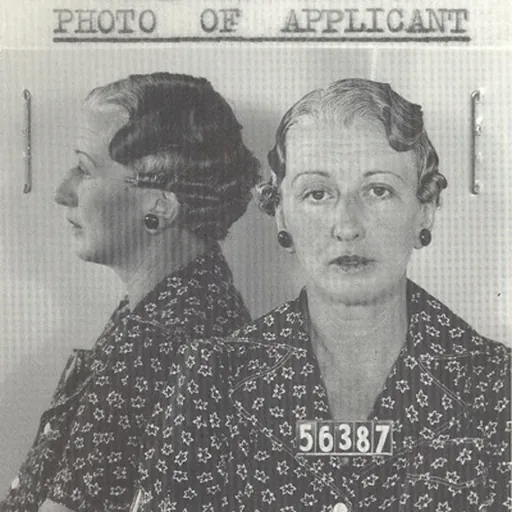
Nellie May Madison
American murderer
About Nellie May Madison
Lived 1895 – 1953 (aged 57–58).
Nellie May Madison ( Mooney; April 5, 1895 – July 8, 1953) was an American woman who was convicted of murder in 1934 for killing her husband.
Madison was only the second woman to be sentenced to death in the state of California, with the last being Emma LeDoux in 1906. Due to public outcry, her sentence was later commuted to life in prison and she was eventually released. Her case helped garner legitimacy for the abuse defense, a concept virtually unknown at the time in criminal cases.
The case was the subject of a 2015 episode of Investigation Discovery's series A Crime to Remember.
Early life She was born in Beaverhead County, Montana and raised in Dillon.
Murder and conviction On March 24, 1934, at their home in Burbank, California, after alleged repeated spousal abuse episodes by her husband Erik Madison, Nellie Madison pointed a gun at Erik while he was changing out of his day clothes with the intent of threatening him. He quickly reached under the bed for a box of butcher knives and allegedly threatened to cut her heart out. As he was reaching for a knife, Nellie shot Erik in the back five times, killing him.
Nellie Madison was later arrested and tried for the murder of her husband. The prosecutor in her case was Los Angeles County District Attorney Buron Fitts. On advice of her lawyers, Madison made no mention of the spousal abuse and claimed she was not at the scene of the murder. As her story was implausible, a jury convicted her of first degree murder. The jury declined to recommend mercy and Judge Charles Fricke sentenced Madison to death by hanging. On appeal, the California Supreme Court upheld the conviction.
Appeal After sentencing, one Madison's ex-husbands, with whom she was still friends, urged her to make the spousal abuse episodes public. When pleading her case to Fricke, he refused to reduce the sentence and dismissed the allegations of domestic violence as "ridiculous." But soon Madison began receiving public support, including from prominent journalist Agness "Aggie" Underwood. Underwood discovered Erik Madison had beaten both Nellie and his ex-wife into signing a similar confession stating they were unfaithful in their marriage, when in fact, it was Erik who had been unfaithful and having affairs with teenage girls.
All of the jurors who convicted Madison petitioned Governor Frank Merriam to commute the sentence. In September 1935, Merriam commuted Madison's sentence to life in prison. After she waged a letter-writing campaign from prison to reduce her sentence, Governor Culbert Olson had Madison freed from prison on March 27, 1943, exactly nine years and three days after the murder.
Later life In the fall of 1943, she settled in San Bernardino, where she married her sixth husband, house painter John Wagner. It was her longest marriage. She died there on July 8, 1953, after a stroke.
Don’t just read it —
keep it.
Full-length biographies made to live with: read them, listen on the way to work, watch them tonight.
- E-book
- Audio
- Video
Instant download · yours to keep · every purchase keeps this site free
Important facts
People in Nellie May Madison's life
Named in this biography and alive at the same time




Contemporaries
People whose lives overlapped Nellie May Madison's


Frequently asked questions
Who was Nellie May Madison?
American murderer (1895–1953)
When was Nellie May Madison born?
Nellie May Madison was born in 1895.
When did Nellie May Madison die?
Nellie May Madison died in 1953 in San Bernardino.
Sources & further reading
· Wikipedia: Nellie May Madison
Cite this page
APA: Biography.guide. (2026). Nellie May Madison. https://biography.guide/nellie-may-madison/
MLA: "Nellie May Madison." Biography.guide, https://biography.guide/nellie-may-madison/.
Chicago: "Nellie May Madison." Biography.guide. https://biography.guide/nellie-may-madison/.
Data last updated: 2026-09-24 · Spot an error? Report a correction.
Portrait: Wikimedia Commons · author & licence
Page generated 2026-09-27 05:09 UTC