
About Nam Cao
Lived 1917 – 1951 (aged 34). Nam Cao was a Vietnamese writer, journalist and teacher.
Trần Hữu Trị (29 October 1915 – 30 November 1951), better known by his pen name Nam Cao, was a Vietnamese short story writer, novelist, and journalist. He was associated with the critical realism movement in Vietnamese literature prior to the August Revolution of 1945.
Born into a Catholic farming family in Hà Nam Province, Nam Cao worked as a clerk in Saigon and a private schoolteacher in Hanoi before turning to writing. His 1941 short story Chí Phèo, which portrayed rural peasants in the era of French colonial rule, became his best-known work. His fiction from this era focused primarily on two themes: the struggles of poor farmers and the economic insecurity of lower-middle-class intellectuals.
Following the 1945 revolution, Nam Cao joined the National Salvation Cultural Association and served as a journalist and war correspondent during the First Indochina War. On 30 November 1951, he was killed by French forces while on a mission in Ninh Bình Province at the age of 36. He was posthumously awarded the Hồ Chí Minh Prize in 1996. His former home and memorial site in Lý Nhân District was recognized as a National Monument of Vietnam in 2023.
Biography Early life Trần Hữu Tri was born on 29 October 1915 in Đại Hoàng village, Cao Đà commune, Nam Sang district (present-day Hòa Hậu commune, Lý Nhân District, Hà Nam Province), then part of Tonkin in French Indochina. His pseudonym "Nam Cao" was derived from the first syllables of his native district (Nam Sang) and commune (Cao Đà).
He was raised in a Catholic farming family and was baptized with the name Joseph (Giuse). His father, Trần Hữu Huệ, worked as a carpenter, timber trader, and traditional healer, while his mother, Trần Thị Minh, worked in farming, gardening, and weaving.
In late 1947, Nam Cao moved to Việt Bắc, working as editorial secretary for the newspaper Cứu Quốc ("National Salvation") and writing his wartime diary Nhật ký ở rừng ("Living in the Forest").
His body was initially buried in an unmarked grave, and its location remained unknown for several decades. In early 1996, a search effort was organized by various cultural and state organizations to find his grave. His remains were identified in a cemetery in Gia Viễn District and reburied in his native village of Đại Hoàng in Lý Nhân District.
He advocated a realist approach to writing. In a conversation with writer Vũ Bằng, Nam Cao described his perspective: "Life isn't as complicated as people often write in lyrical novels... I write exactly as I see it, without adding or subtracting anything."
Nam Cao's origins matched the settings of his stories, being familiar with life in both impoverished rural environments and among striving would-be intellectuals. He based several of his fictional characters on real people he knew from Đại Hoàng. For example, Trùm Sạn, a poor neighbor whose son moved away for work and who kept a pet dog, and Trùm Lượng, a lonely villager who committed suicide using dog poison, both have variants in Lão Hạc. Chí Phèo likely drew inspiration from Chí (a local pig butcher paid in wine and intestines) and Trịnh (an orphaned villager known for public drunkenness near an old brick kiln).
His work in 1945–1951 became more journalistic and ideological as he wrote from the front lines of the struggle against the French. His work still contained a nuanced understanding of the complexity of humanity, but was notably more political. Đôi mắt ("The Eyes") is often held up as an archetypical example of this second phase of Cao's work, and is something of a political satire. In the story, the narrator meets up with the Hoangs, old friends who had to move out to the countryside from Hanoi. However, the Hoangs are disconnected from their village and the war, look down upon and despise the 'uncultured' locals, and prefer to spend their time with others from the cities – even though these fellow exiles are themselves disgraced. The Hoangs are playfully mocked, yet also pitied and portrayed with genuine sympathy.
Legacy and honors
In 1996, Nam Cao was posthumously awarded the Hồ Chí Minh Prize for Literature and Arts for his major published works. A memorial was built to him in Hòa Hậu commune, Lý Nhân District in 2004; the site was officially recognized as a National Monument of Vietnam in October 2023. Streets in Hanoi (Ba Đình District), Ho Chi Minh City (Thủ Đức), Da Nang, Biên Hòa, and Rạch Giá are named after him.
Selected works Novels Truyện người hàng xóm ("A Neighbor's Story", serialized 1944) Sống mòn ("Living a Corroded Life", written 1944, published 1956)
Short story collections and major stories
Chí Phèo (1941; originally Đôi lứa xứng đôi) Dì Hảo ("Aunt Hảo", 1941) Cái chết của con Mực ("The Death of the Black Dog", 1940) Giăng sáng ("In the Moonlight", 1942) Trẻ con không được ăn thịt chó ("Kids Shouldn't Eat Dog Meat", 1942) Bài học quét nhà ("A Lesson in Sweeping", 1943) Đời thừa ("An Unworthy Life", 1943) Lão Hạc ("Old Hạc", 1943) Một bữa no ("A Full Meal", 1943) Tư cách mõ ("Status of the Town Crier", 1943) Một đám cưới ("A Wedding", 1944) Mò sâm-banh ("Diving for Champagne", 1945) Cách mạng ("Revolution", 1946) Đôi mắt ("The Eyes", 1948)
Other short stories
Ba người bạn ("Three Friends") Bẩy bông lúa lép ("Seven Flat Rice Ears") Cái mặt không chơi được ("An Unfriendly Face", 1942) Chuyện buồn giữa đêm vui ("The Sad Story in the Happy Night") Chuyện tình ("Love Story") Con mèo ("The Cat", 1942) Con mèo mắt ngọc ("The Opal-Eyed Cat") Cười ("Laughing") Đầu đường xó chợ ("The Street Urchin") Điếu văn ("A Funeral Oration") Đôi móng giò ("A Pair of Pig-Trotters", 1942) Đòn chồng ("Punishing Husband", 1942) Đón khách ("Greeting Guests", 1942) Làm tổ ("Making a Nest") Lang Rận ("Doctor Lice") Mong mưa ("Longing for Rain") Một chuyện xu-vơ-nia ("A Souvenir Story") Mua danh ("Bribery") Mua nhà ("Buying a House") Người thợ rèn ("The Blacksmith") Nhìn người ta sung sướng ("Seeing Them Happy", 1942) Nhỏ nhen ("Narrow-Mindedness", 1942) Những chuyện không muốn viết ("Stories Unwilling to Write", 1942) Những trẻ khốn nạn ("The Cursed Youths") Nụ cười ("The Smile") Nước mắt ("Tears") Nửa đêm ("Midnight", 1943) Phiêu lưu ("An Adventure") Quái dị ("Abnormality") Quên điều độ ("Irregularity") Rình trộm ("Eavesdropping") Rửa hờn ("Retaliating for the Indignant") Sao lại thế này? ("Why Like This?") Thôi về đi ("Let's Just Go Home") Từ ngày mẹ chết ("Since My Mother Died") Xem bói ("Fortune-Telling")
Memoirs and non-fiction
Đường vô Nam ("Road to the South", 1946) Nhật ký ở rừng ("In the Jungle", 1948) Chuyện biên giới ("Frontier Stories", 1948) Vài nét ghi qua vùng giải phóng ("Notes from the Liberated Zone", 1950) Cách đồn địch bốn cây số ("Four Kilometers from an Enemy Post", 1950) Địa dư Việt Nam (Geography textbook, co-authored with Văn Tân, 1951)
Four manuscripts of Nam Cao are lost: Cái bát, Một đời người, Cái miếu, and Ngày lụt.
English translations and collections
Don’t just read it —
keep it.
Full-length biographies made to live with: read them, listen on the way to work, watch them tonight.
- E-book
- Audio
- Video
Instant download · yours to keep · every purchase keeps this site free
Important facts
People in Nam Cao's life
Named in this biography and alive at the same time
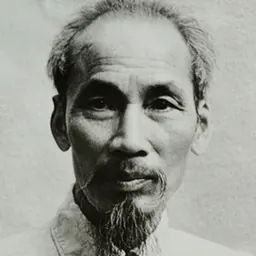
Related people
Same field, nearest in time



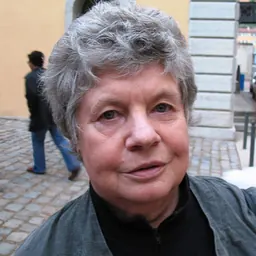
Contemporaries
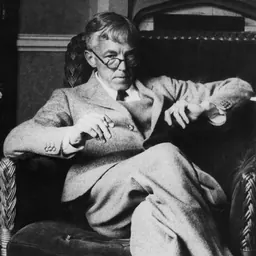
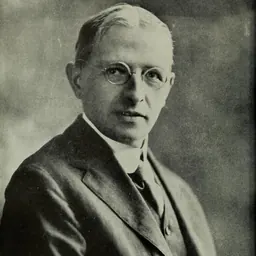
People whose lives overlapped Nam Cao's

Frequently asked questions
Who was Nam Cao?
Vietnamese writer (1917-1951)
When was Nam Cao born?
Nam Cao was born on 29 October 1917 in Hà Nam.
When did Nam Cao die?
Nam Cao died on 30 November 1951 in Ninh Bình.
What was Nam Cao's occupation?
Nam Cao was a writer, journalist and teacher.
What nationality was Nam Cao?
Nam Cao was Vietnamese.
Sources & further reading
Cite this page
APA: Biography.guide. (2026). Nam Cao. https://biography.guide/nam-cao/
MLA: "Nam Cao." Biography.guide, https://biography.guide/nam-cao/.
Chicago: "Nam Cao." Biography.guide. https://biography.guide/nam-cao/.
Data last updated: 2026-09-26 · Spot an error? Report a correction.
Page generated 2026-09-27 05:13 UTC