
About Mikio Naruse
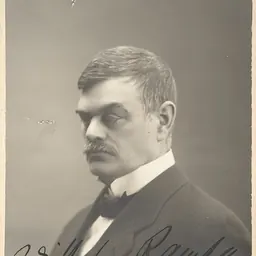
Lived 1905 – 1969 (aged 63). Mikio Naruse was a Japanese film director, writer, film producer and screenwriter.
was a Japanese film director and screenwriter who directed 89 films spanning the period 1930 to 1967.
Naruse is known for imbuing his films with a bleak and pessimistic outlook. He made primarily shōshimin-eiga ("common people drama") films with female protagonists, portrayed by actresses such as Hideko Takamine, Kinuyo Tanaka, and Setsuko Hara. Because of his focus on family drama and the intersection of traditional and modern Japanese culture, his films have been compared with the works of Yasujirō Ozu. Many of his films in his later career were adaptations of the works of acknowledged Japanese writers. Titled a "major figure of Japan's golden age" he remains lesser known than his contemporaries Akira Kurosawa, Kenji Mizoguchi, and Ozu. Among his most noted films are Sound of the Mountain, Late Chrysanthemums, Floating Clouds, Flowing and When A Woman Ascends The Stairs.
Biography Early years Mikio Naruse was born in Tokyo in 1905 and raised by his brother and sister after his parents' early death. He entered Shirō Kido's Shōchiku film studio in the 1920s as a light crew assistant and was soon assigned to comedy director Yoshinobu Ikeda. It was not until 1930 that he was allowed to direct a film on his own. His debut film, the short slapstick comedy Mr. and Mrs. Swordplay (Chanbara fūfū), was edited by Heinosuke Gosho who tried to support the young filmmaker. The film was considered a success, and Naruse was allowed to direct the romance film Pure Love (Junjo). Both films, like the majority of his early works at Shōchiku, are regarded as lost.
Reputation Naruse was described as serious and reticent, and even his closest and long-lasting collaborators like cinematographer Tamai Masao claimed to know nothing about him personally. He gave very few interviews Hideko Takamine remembered, "Even during the shooting of a picture, he would never say if anything was good, or bad, interesting or trite. He was a completely unresponsive director. I appeared in about 20 of his films, and yet there was never an instance in which he gave me any acting instructions." Tatsuya Nakadai recalled one instant during the filming of When a Woman Ascends the Stairs where Naruse yelled at an assistant director for drawing a cardboard eye to indicate the point of reference of Hideko Takamine's eyeline.
On one occasion, Naruse gave advice to Kihachi Okamoto on being a director, telling him: "You should stick to your own ideas. If you run from left to right and back again to suit the changing times, the results will be hollow."
Filmography Filmography of Mikio Naruse Year English title Japanese Title Rōmaji Title NotesSilent films 1930 Mr. and Mrs. Swordplay チャンバラ夫婦 Chambara fufuLost. Also entitled Intimate Love Pure Love 純情 JunjoLost Hard Times 不景気時代 Fukeiki jidaiLost Love Is Strength 愛は力だ Ai ha chikara daLost A Record of Shameless Newlyweds 押切新婚記 Oshikiri shinkonkiLost 1931 Now Don't Get Excited ねえ興奮しちゃいやよ Nee kofun shicha iya yoLost Screams from the Second Floor 二階の悲鳴 Nikai no himeiLost Flunky, Work Hard! 腰弁頑張れ Koshiben gambare Fickleness Gets on the Train 浮気は汽車に乗って Uwaki wa kisha ni notteLost The Strength of a Moustache 髭の力 Hige no chikaraLost Under the Neighbours' Roof 隣の屋根の下 Tonari no yani no shitaLost 1932 Ladies, Be Careful of Your Sleeves 女は袂を御用心 Onna wa tamoto o goyojinLost Crying to the Blue Sky 青空に泣く Aozora ni nakuLost Be Great! 偉くなれ Eraku nareLost Chocolate Girl チョコレートガール Chokoreito garuLost No Blood Relation 生さぬ仲 Nasanu naka The Scenery of Tokyo with Cake 菓子のある東京風景 Kashi no aru Tokyo no fûkeiLost. Short advertisement film Moth-eaten Spring 蝕める春 Mushibameru haruLost 1933 Apart From You 君と別れて Kimi to wakarete Every-Night Dreams 夜ごとの夢 Yogoto no yume A Married Woman's Hairstyle 僕の丸髷 Boku no marumageLost Two Eyes 双眸 SoboLost Happy New Year! 謹賀新年 KingashinnenLost 1934 Street Without End 限りなき舗道 Kagirinaki hodo Sound films 1935 Three Sisters with Maiden Hearts 乙女ごころ三人姉妹 Otome-gokoro sannin shimai The Actress and the Poet 女優と詩人 Joyu to shijin Wife! Be Like a Rose! 妻よ薔薇のやうに Tsuma yo bara no yo niAlso entitled Kimiko Five Men in the Circus サーカス五人組 Saakasu goningumi The Girl in the Rumor 噂の娘 Uwasa no musume 1936 Man of the House 桃中軒雲右衛門 Tochuken Kumoemon The Road I Travel with You 君と行く路 Kimi to yuku michi Morning's Tree-Lined Street 朝の並木路 Asa no namikimichi 1937 A Woman's Sorrows 女人哀愁 Nyonin aishu Avalanche 雪崩 Nadare Learn from Experience, Part I 禍福 前篇 Kafuku zempen Learn from Experience, Part II 禍福 後篇 Kafuku kôhen 1938 Tsuruhachi and Tsurujiro 鶴八鶴次郎 Tsuruhachi Tsurujirō 1939 The Whole Family Works はたらく一家 Hatarakku ikka Sincerity まごころ Magokoro 1940 Travelling Actors 旅役者 Tabi yakusha 1941 A Fond Face from the Past なつかしの顔 Natsukashi no kao Shanghai Moon 上海の月 Shanhai no tsukiIncomplete footage survives Hideko the Bus Conductor 秀子の車掌さん Hideko no shashō-san 1942 Mother Never Dies 母は死なず Haha wa shinazu 1943 The Song Lantern 歌行燈 Uta andon 1944 This Happy Life 愉しき哉人生 Tanoshiki kana jinsei The Way of Drama 芝居道 Shibaido 1945 Until Victory Day 勝利の日まで Shori no hi madeLost A Tale of Archery at the Sanjusangendo 三十三間堂通し矢物語 Sanjusangendo toshiya monogatari 1946 The Descendents of Taro Urashima 浦島太郎の後裔 Urashima Taro no koei Both You and I 俺もお前も Ore mo omae mo 1947 Even Parting is Enjoyable 別れも愉し Wakare mo tanoshi Part of anthology film Four Love Stories (Yottsu no kai no monogatari) Spring Awakens 春のめざめ Haru no mezame 1949 The Delinquent Girl 不良少女 Furyo shojoLost 1950 Conduct Report on Professor Ishinaka 石中先生行状記 Ishinaka Sensei gyojoki Angry Street 怒りの街 Ikari no machi White Beast 白い野獣 Shiroi yaju Battle of Roses 薔薇合戦 Bara kassen 1951 Ginza Cosmetics 銀座化粧 Ginza keshō Dancing Girl 舞姫 Maihime Repast めし Meshi 1952 Okuni and Gohei お国と五平 Okuni to Gohei Mother おかあさん Okaasan Lightning 稲妻 Inazuma 1953 Husband and Wife 夫婦 Fufu Wife 妻 Tsuma Older Brother, Younger Sister あにいもうと Ani Imoto 1954 Sound of the Mountain 山の音 Yama no otoAlso entitled The Thunder of the Mountain Late Chrysanthemums 晩菊 Bangiku 1955 Floating Clouds 浮雲 Ukigumo Women's ways 女同士 Onna dōshi Third segment of anthology film The Kiss (くちづけ, Kuchizuke) 1956 Sudden Rain 驟雨 Shūu A Wife's Heart 妻の心 Tsuma no kokoro Flowing 流れる Nagareru 1957 Untamed あらくれ Arakure 1958 Anzukko 杏っ子 Anzukko Summer Clouds 鰯雲 IwashigumoNaruse's first color film 1959 Whistling in Kotan コタンの口笛 Kotan no kuchibueColor film. Also entitled Whistle in My Heart 1960 When a Woman Ascends the Stairs 女が階段を上る時 Onna ga kaidan o agaru toki Daughters, Wives and a Mother 娘・妻・母 Musume tsuma hahaColor film The Lovelorn Geisha 夜の流れ Yoru no nagareColor film. Co-directed with Yuzo Kawashima The Approach of Autumn 秋立ちぬ Aki tachinuAlso entitled Autumn Has Already Started 1961 As a Wife, As a Woman 妻として女として Tsuma toshite onna toshiteColor film. Also entitled The Other Woman 1962 A Woman's Place 女の座 Onna no zaAlso entitled The Wiser Age and A Woman's Status A Wanderer's Notebook 放浪記 HorokiAlso entitled Her Lonely Lane 1963 A Woman's Story 女の歴史 Onna no rekishi 1964 Yearning 乱れる Midareru 1966 The Stranger Within a Woman 女の中にいる他人 Onna no naka ni iru taninAlso entitled The Thin Line Hit and Run ひき逃げ HikinigeAlso entitled Moment of Terror 1967 Scattered Clouds 乱れ雲 Midaregumo Color film. Also entitled Two in the Shadow
Style and themes Naruse is known as particularly exemplifying the Japanese concept of "mono no aware", the awareness of the transience of things, and a gentle sadness at their passing. "From the youngest age, I have thought that the world we live in betrays us", the director explained. relying on editing, lighting, acting and sets. Film scholar Audie Bock curated two extensive retrospectives on Naruse in Chicago at the Gene Siskel Film Center (then The Film Center of the School of the Art Institute of Chicago) and New York at Japan Society and the Museum of Modern Art in 1984–1985. Retrospectives have also been held at the Berkeley Art Museum and Pacific Film Archive in 1981 and 2006, at the Locarno Film Festival (1984), and at the Harvard Film Archive in 2005.
Awards Floating Clouds and Flowing have been voted into the 2009 All Time Best Japanese Movies lists by readers and critics of Kinema Junpo.
Don’t just read it —
keep it.
Full-length biographies made to live with: read them, listen on the way to work, watch them tonight.
- E-book
- Audio
- Video
Instant download · yours to keep · every purchase keeps this site free
Important facts
People in Mikio Naruse's life
Named in this biography and alive at the same time



Related people
Same field, nearest in time



Contemporaries
People whose lives overlapped Mikio Naruse's





Frequently asked questions
Who was Mikio Naruse?
Japanese filmmaker (1905–1969)
When was Mikio Naruse born?
Mikio Naruse was born on 20 August 1905 in Tokyo.
When did Mikio Naruse die?
Mikio Naruse died on 2 July 1969 in Tokyo.
What was Mikio Naruse's occupation?
Mikio Naruse was a film director, writer, film producer and screenwriter.
What nationality was Mikio Naruse?
Mikio Naruse was Japanese.
Sources & further reading
Cite this page
APA: Biography.guide. (2026). Mikio Naruse. https://biography.guide/mikio-naruse/
MLA: "Mikio Naruse." Biography.guide, https://biography.guide/mikio-naruse/.
Chicago: "Mikio Naruse." Biography.guide. https://biography.guide/mikio-naruse/.
Data last updated: 2026-09-22 · Spot an error? Report a correction.
Page generated 2026-09-27 05:26 UTC