
About Meiko Kaji
Born 1947. Meiko Kaji is a Japanese actor and singer.
Career Acting career Meiko Kaji was born Masako Ōta in the Kanda area of Tokyo and graduated from the Yakumo Academy high school in Meguro, Tokyo. She began to work in the film industry under her real name at Nikkatsu studio in 1965 after graduating from high school. Her first supporting film role was in 1968 in Retaliation. In 1969 she appeared in Nihon Zankyoden, one of a series of films directed by Masahiro Makino, who recognized her acting ability and provided her with the stage name of Meiko Kaji. In 1970 she had a starring role in Blind Woman's Curse directed by Teruo Ishii, and from 1970 to 1971 she appeared in the Noraneko Rokku (Stray cat/Alleycat Rock) series of films about delinquent and rebellious young people and gangs, appearing in all five films in different character roles.
In 1971, Nikkatsu would move more towards production in the pink film business, which were more overtly sexual; and to avoid roles in such films, Kaji moved to the Toei Company. A year later she reprised her role as Yuki in the sequel Lady Snowblood 2: Love Song of Vengeance in 1974. She went on to appear in several of Kinji Fukasaku's films, such as Yakuza Graveyard in 1976 and in 1978 starred in Sonezaki Shinjū, where she earned nominations for Best Actress at five different award shows, winning four of them.
By the end of the 1970s, Kaji left major film roles following a combination of overwork amidst rampant production schedules and underpayment,
During her acting career Kaji received acting offers from non-Japanese film studios, including those from Hollywood, but declined them, as she felt she could not give a good performance in a language other than Japanese.
In March 2026, the Japan Society in New York hosted a retrospective of her films, where she appeared on the first three nights.
Music career Kaji is also a singer. She sang the theme song to Lady Snowblood, "Shura no Hana" , and the theme song of the Female Convict Scorpion series, "Urami Bushi" . When both these songs were used in the 2003 Quentin Tarantino film Kill Bill, In 2009, she released a single, Onna wa yametai. In 2011, Kaji released her first new album in 31 years, Aitsu no suki-so-na burūsu with songs written by Ryudo Uzaki and Yoko Aki.
In May 2020, Kaji launched her own channel on YouTube, as a way to both celebrate her work with fans all over the world, and to give back to everyone who had supported her.
In October 2025, Kaji made her first public appearance in the United States at Beyond Fest. In a panel moderated by Sean Baker, she reflected on her career, fans, and her legacy.
Filmography
Films Retaliation (1968) (credited as Masako Ota) Outlaw:Gangster VIP 2 (1968) Blind Woman's Curse (June 1970, d. Teruo Ishii) (Oct. 1970) The Stray Cat Rock series (1970–71) Stray Cat Rock: Delinquent Girl Boss Stray Cat Rock: Wild Jumbo Stray Cat Rock: Sex Hunter Stray Cat Rock: Machine Animal (Jan. 1971, d. Toshiya Fujita) The Sasori series (1972–73) Female Prisoner 701: Scorpion Female Convict Scorpion: Jailhouse 41 Female Convict Scorpion: Beast Stable Female Prisoner Scorpion: 701's Grudge Song The Gincho series (1972) Wandering Ginza Butterfly Wandering Ginza Butterfly 2: She-Cat Gambler Battles Without Honor and Humanity: Deadly Fight in Hiroshima (1973) Lady Snowblood (1973) Lady Snowblood 2: Love Song of Vengeance (1974) The Homeless (1974) New Battles Without Honor and Humanity: The Boss's Head (1975) (June 1976, d. Yasuzo Masumura) Yakuza Graveyard (1976) Double Suicide of Sonezaki (1978) Tree Without Leaves (1986) (1995) Oh! Oku (2006) Under the Open Sky (2020) The Voice of Sin (2020), Mayumi What Did You Eat Yesterday? (2021)
Television Ōedo Sōsamō (1970–71), Konami Ronin of the Wilderness (1972) Sasagawa Saho Matatabi Shirizu – Kuresakatouge e no Chisou (1972), Oshizu Terauchi Kantarō Ikka (1974), Shizue Terauchi Sorekara no Musashi (1981), Yuri-hime Ōoku (1983) Kaseifu wa Mita! 2 (1984) Aoi Hitomi no Seiraifu (1984) Sutaa Tanjō (1985) Tantei Kamizu Kyōsuke no Satsujin Suiri 8: Izu Shimoda-kaigan ni Akai Satsui ga Hashiru (1988), Shōko Hamano Aoi Sanmyaku '88 (1988), Umetaro Onihei Hankachō(1989–2016), Omasa Kenkaku Shōbai (1998–2010), Omon Kaseifu ha Mita! 21 (2003), Mayumi Hirao Anata no Tonari ni Dare ka Iru (2003), Shimako Matsumoto Kenkaku Shobai Sukedachi (2004) Onihei Hankacho Supesharu: Yamabukiya Okatsu (2005) Nogaremono Orin (2006) Hasshū Mawari Kuwayama Jūbei (2007) Kenkyaku Shobai: Haru no Arashi (2008) Kekkon Shinai (2012) Joiuchi: Hairyo zuma Shimatsu (2013) Taxi Driver no Suiri Nisschi 34 (2013) Samurai Rebellion (2013) Gokuaku Gambo (2014) Joshu Seven (2017) What Did You Eat Yesterday? (2019–23) Modern Love Tokyo (2022) YuYu Hakusho (2023), Genkai
Discography Singles Title (romaji) Title (Japanese) Released
Don’t just read it —
keep it.
Full-length biographies made to live with: read them, listen on the way to work, watch them tonight.
- E-book
- Audio
- Video
Instant download · yours to keep · every purchase keeps this site free
Important facts
People in Meiko Kaji's life
Named in this biography and alive at the same time







Related people
Same field, nearest in time



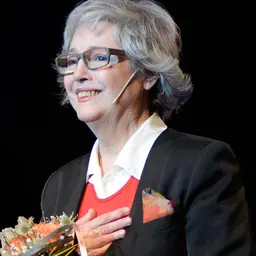

Contemporaries
People whose lives overlapped Meiko Kaji's



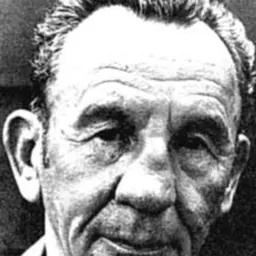


Frequently asked questions
Who is Meiko Kaji?
Japanese actress and singer
When was Meiko Kaji born?
Meiko Kaji was born on 24 March 1947 in Chiyoda.
What is Meiko Kaji's occupation?
Meiko Kaji is an actor and singer.
What nationality is Meiko Kaji?
Meiko Kaji is Japanese.
Sources & further reading
Cite this page
APA: Biography.guide. (2026). Meiko Kaji. https://biography.guide/meiko-kaji/
MLA: "Meiko Kaji." Biography.guide, https://biography.guide/meiko-kaji/.
Chicago: "Meiko Kaji." Biography.guide. https://biography.guide/meiko-kaji/.
Data last updated: 2026-09-22 · Spot an error? Report a correction.
Page generated 2026-09-27 05:30 UTC