
About Maurycy Trębacz
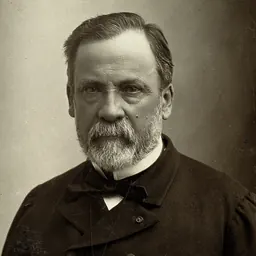
Lived 1861 – 1941 (aged 79). Maurycy Trębacz was a Polish painter and genre painter.
Maurycy Trębacz (May 3, 1861 – January 29, 1941) was one of the most popular Jewish painters in Poland in the late 19th and early 20th century. Trębacz died of starvation in the Litzmannstadt Ghetto during the Nazi German occupation of Poland. and Leopold Pilichowski, belonged to the first generation of Jewish artists in Poland who broke away from the religious prohibition on portraying a human figure (see below). The studies show his mastery of painting, his own unique style and great imagination. Trębacz was noted within the European art-world as a master portrait and landscape painter, but above all he was also a rare chronicler of the contemporary Jewish life, depicting a world that is now lost. His popular subjects included praying Rabbis, old men, street and Jewish domestic scenes, and genre painting depicting the everyday side of life. His psychological portraits of Jews earned him the greatest popularity and critical acclaim, and influenced the work of other Jewish painters in Poland. Notably, Trębacz's oil painting "The Good Samaritan", reportedly stolen in 1904 at the World's Fair, was recently sold at auction at Sotheby's. He is often criticized for giving in to popular demand later on in his career. Pressured by financial sponsors, he began to produce sentimental theme portraits pertaining to the bucolic life of country folk. Until the occupation of Lodz by the Wehrmacht and establishment of the Ghetto, he lived with his family in Wolczanska 140. In the ghetto, he lived in Limanowskiego 19 street.
Soon after the war ended, some 70 paintings of Maurycy Trębacz (along with works of Izrael Lejzorowicz, Amos Szwarc, Mendel Grosman and others, wrote Dr. Cieślińska-Lobkowicz) were located in Poland by Nachman Zonabend on behalf of the Jewish Cultural Reconstruction (JCR) and the Jewish Restitution Successor Organization (JRSO) from the United States. Most were taken out of the country by Zonabend in 1947 against the official policy on protecting the national heritage and then split between the YIVO Institute of New York and Yad Vashem. The illegal removal of the collection was criticized by the Jewish press not only in communist Poland but also in Canada and France.
Footnotes
Don’t just read it —
keep it.
Full-length biographies made to live with: read them, listen on the way to work, watch them tonight.
- E-book
- Audio
- Video
Instant download · yours to keep · every purchase keeps this site free
Important facts
People in Maurycy Trębacz's life
Named in this biography and alive at the same time
Related people
Same field, nearest in time

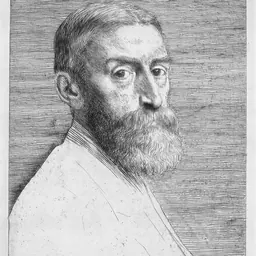
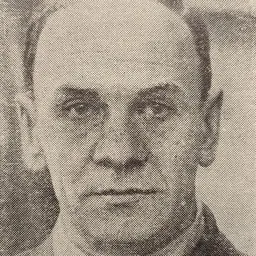
Contemporaries
People whose lives overlapped Maurycy Trębacz's
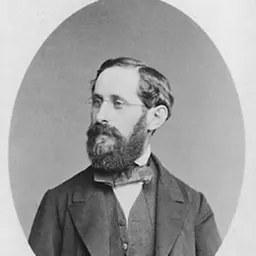

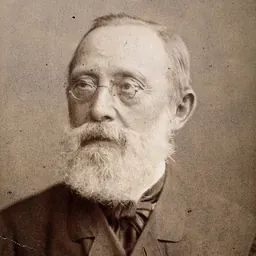

Frequently asked questions
Who was Maurycy Trębacz?
Polish painter (1861-1941)
When was Maurycy Trębacz born?
Maurycy Trębacz was born on 3 May 1861 in Warsaw.
When did Maurycy Trębacz die?
Maurycy Trębacz died on 29 January 1941 in Łódź, Łódź Ghetto.
What was Maurycy Trębacz's occupation?
Maurycy Trębacz was a painter and genre painter.
What nationality was Maurycy Trębacz?
Maurycy Trębacz was Polish.
Sources & further reading
Cite this page
APA: Biography.guide. (2026). Maurycy Trębacz. https://biography.guide/maurycy-trebacz/
MLA: "Maurycy Trębacz." Biography.guide, https://biography.guide/maurycy-trebacz/.
Chicago: "Maurycy Trębacz." Biography.guide. https://biography.guide/maurycy-trebacz/.
Data last updated: 2026-09-20 · Spot an error? Report a correction.
Page generated 2026-09-27 05:29 UTC