
About Maria da Graça Freire
Lived 1918 – 1993 (aged 74–75). Maria da Graça Freire was a Portuguese writer.
Maria da Graça Freire (1916?–1993) was a Portuguese writer of novels and short stories. Early life Maria da Graça Freire was born on 1 October 1916(?) in Cartaxo in the Santarém District of Portugal, one of four daughters of João Ribeiro de Oliveira Freire and Maria Emília da Cunha Freire. One of her sisters was the poet, Natércia Freire. In her teens she suffered from tuberculosis and was expected to die, but survived. At that time the family moved to the Portuguese capital of Lisbon, following the death of her father. In 1936, after marriage with Cláudio Azambuja Martins, she left for Portuguese Angola, where they stayed, until 1943-1944.
Career Freire's first literary writings (as Maria da Graça Azambuja) date back to 1944-1945, with the publication of short stories in Atlântico magazine. Her 1946 volume of short stories, As Estrelas Moram Longe (The Stars Live Far Away), denounced social inequality, sexism and poverty. Her time in Angola led to her first novel, A primeira viagem (The first journey), which was published in 1952 and won the Ricardo Malheiros Award. In 1955 she started divorce proceedings, which caused some scandal in Catholic Portugal, and married in the following year Antero Miranda Mendes, a lawyer, who later became director of the Calouste Gulbenkian Foundation travelling libraries service.
Freire's 1950s novel, Bárbara Casanova, represented an attack on male society and was seen as being critical of the Estado Novo regime's approach to women. Her novel, A terra foi-lhe negada (The earth was denied to you), which won the Eça de Queiroz Award in 1958, features the marriage between a white woman and a mixed-race man, highlighting the sexism and racism of Portuguese society. A 1971 essay, Portugueses e negritude, argues for the independence of Portugal's colonies, at a time when the Estado Novo was fighting to retain them.
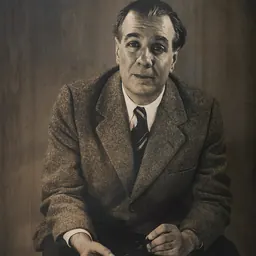
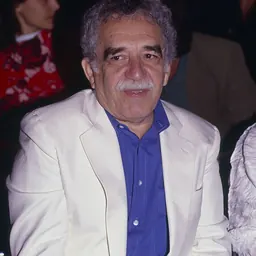
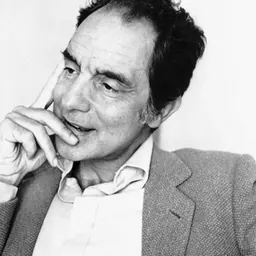
Freire's best-known short story is The Death of Benjamim Trovisco. This was published in Italy as part of a collection that included stories by Jorge Luis Borges, Isaac Bashevis Singer, Gabriel García Márquez, Camilo José Cela, Italo Calvino and others. Death Freire died in Lisbon on 13 May 1993.
Don’t just read it —
keep it.
Full-length biographies made to live with: read them, listen on the way to work, watch them tonight.
- E-book
- Audio
- Video
Instant download · yours to keep · every purchase keeps this site free
Important facts
People in Maria da Graça Freire's life
Named in this biography and alive at the same time




Related people
Same field, nearest in time


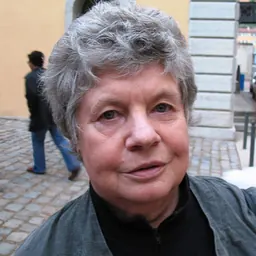
Contemporaries
People whose lives overlapped Maria da Graça Freire's

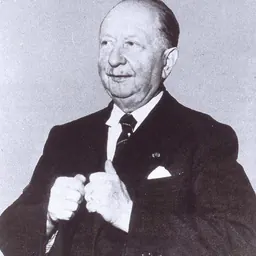
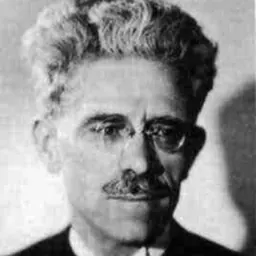

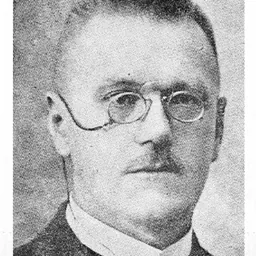
Frequently asked questions
Who was Maria da Graça Freire?
Portuguese writer
When was Maria da Graça Freire born?
Maria da Graça Freire was born in 1918 in Benavente.
When did Maria da Graça Freire die?
Maria da Graça Freire died on 13 May 1993 in Lisbon.
What was Maria da Graça Freire's occupation?
Maria da Graça Freire was a writer.
What nationality was Maria da Graça Freire?
Maria da Graça Freire was Portuguese.
Sources & further reading
· Wikipedia: Maria da Graça Freire
· DBpedia: Maria da Graça Freire
Cite this page
APA: Biography.guide. (2026). Maria da Graça Freire. https://biography.guide/maria-da-graca-freire/
MLA: "Maria da Graça Freire." Biography.guide, https://biography.guide/maria-da-graca-freire/.
Chicago: "Maria da Graça Freire." Biography.guide. https://biography.guide/maria-da-graca-freire/.
Data last updated: 2026-09-20 · Spot an error? Report a correction.
Page generated 2026-09-27 04:59 UTC