
About Mabel Purefoy FitzGerald
Lived 1872 – 1973 (aged 101). Mabel Purefoy FitzGerald was a physiologist.
Mabel Purefoy FitzGerald (3 August 1872 – 24 August 1973) was a British physiologist and clinical pathologist best known for her work on the physiology of respiration. She became the second female member of the American Physiological Society in 1913. She worked with many great scientists during her research like William Osler, John Scott Haldane, Charles Scott Sherrington, and many more in a plethora of fields like pathology, immunology, gastroenterology, respiratory physiology and neurobiology.
In 1887, Sir Francis Gotch granted Mabel permission to attend the Honor School of Physiology, where she became the first female student in medical school at the University of Oxford. She attended her first scientific presentation in 1902 at the inauguration of Statens Serum Institut in Copenhagen alongside future Nobel prize winners Paul Ehrlich and Robert Koch. In 1904, while working alongside John Scott Haldane to determine the role of carbon dioxide in disease, she met William Osler, the father of modern medicine. During the Pikes Peak's Expedition, FitzGerald was the only woman on the trip. She was not allowed to travel with the men however, but was able to make a lot of measurements as she traveled around to the high altitude areas and mining towns in Colorado with her mule. She went to altitudes of 6000 to 12500 feet in the mountains for data in areas like hemoglobin and alveolar air. Her patients included herself and the workers and civilians of the towns she traveled to. Her findings heavily contributed to the world's knowledge on respiration at higher altitudes like lower PaCO2, greater ventilation, and elevated hemoglobin levels. She recognized that these were the simple, basic, but necessary changes the brain does to accommodate for the environment. Even after all the data she had discovered, she was disappointed for now finding data from sea level to 5000 feet. She was delighted to have her data reveal the same changes in PaCO2 and hemoglobin levels as she found at higher elevations. However, she recognized that her own PaCO2 values did not change with minor changes in altitude, but her hemoglobin levels rose. This result indicated that PaCO2 was not responsible for the rise in hemoglobin. Mabel was close to hypothesizing the presence of an physiological oxygen sensor within the body, but after 1915 she surprisingly stopped publishing scientific papers. She remained as a teacher at the University of Edinburgh Medical School until 1930. She was also made a member of The Physiological Society.
Selected publications
Don’t just read it —
keep it.
Full-length biographies made to live with: read them, listen on the way to work, watch them tonight.
- E-book
- Audio
- Video
Instant download · yours to keep · every purchase keeps this site free
Important facts
People in Mabel Purefoy FitzGerald's life
Named in this biography and alive at the same time


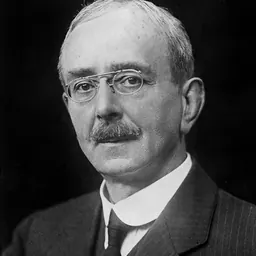

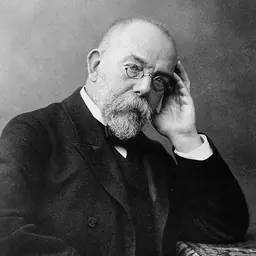
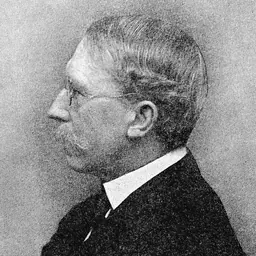

Related people
Same field, nearest in time

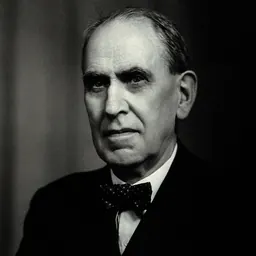


Contemporaries
People whose lives overlapped Mabel Purefoy FitzGerald's





Frequently asked questions
Who was Mabel Purefoy FitzGerald?
British physiologist (1872-1973)
When was Mabel Purefoy FitzGerald born?
Mabel Purefoy FitzGerald was born on 3 August 1872 in Preston Candover.
When did Mabel Purefoy FitzGerald die?
Mabel Purefoy FitzGerald died on 24 August 1973 in Oxford.
What was Mabel Purefoy FitzGerald's occupation?
Mabel Purefoy FitzGerald was a physiologist.
Sources & further reading
· Wikipedia: Mabel Purefoy FitzGerald
· DBpedia: Mabel Purefoy FitzGerald
Cite this page
APA: Biography.guide. (2026). Mabel Purefoy FitzGerald. https://biography.guide/mabel-purefoy-fitzgerald/
MLA: "Mabel Purefoy FitzGerald." Biography.guide, https://biography.guide/mabel-purefoy-fitzgerald/.
Chicago: "Mabel Purefoy FitzGerald." Biography.guide. https://biography.guide/mabel-purefoy-fitzgerald/.
Data last updated: 2026-09-20 · Spot an error? Report a correction.
Page generated 2026-09-27 05:00 UTC