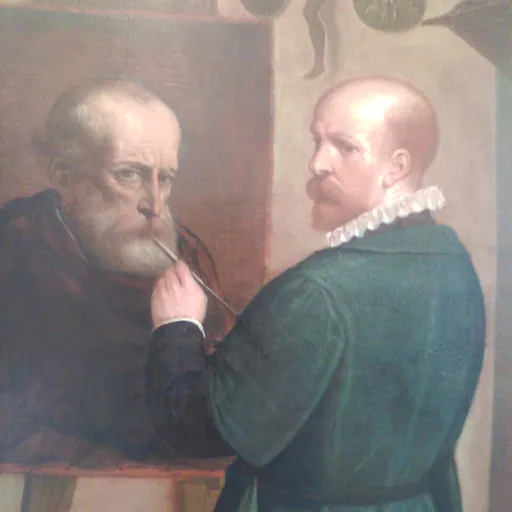
About Luca Cambiaso
Lived 1527 – 1585 (aged 57). Luca Cambiaso was a painter, sculptor, draftsperson and visual artist.
Luca Cambiaso (also known as Luca Cambiasi and Luca Cangiagio (being Cangiaxo the surname in Ligurian); 18 November 1527 – 6 September 1585) was an Italian painter and draughtsman and the leading artist in Genoa in the 16th century. He is considered the founder of the Genoese school, who established the local tradition of historical fresco painting through his many decorations of Genoese churches and palaces. He produced a number of poetic night scenes. He was a prolific draughtsman who sometimes reduced figures to geometric (even cubic) forms. He was familiarly known as Lucchetto da Genova.
Life Cambiaso was born in Moneglia, then part of the Republic of Genoa, the son of a painter named Giovanni Cambiaso.
Cambiaso was precocious, and at the age of fifteen, he painted, along with his father, some subjects from Ovid's Metamorphoses on the facade of a house in Genoa. In 1544, at the age of seventeen, he was involved in the decoration of the Palazzo Doria, now the Prefettura, perhaps working with Marcantonio Calvi, a painter of his father's generation. He aided in the vault decoration of the church of San Matteo, in collaboration with Giovanni Battista Castello. His Resurrection and Transfiguration altarpieces for San Bartolomeo degli Armeni date from c. 1560. In 1563, he painted a Resurrection for San Giovanni Battista in Montalto Ligure.
This was followed by frescoes for the Villa Imperiale at Genoa-Turalba (also called the Palazzo Imperiali Terralba) with a Rape of the Sabines (c. 1565) and the Palazzo Meridiana (formerly Grimaldi; also in 1565). In the Capella Lercari of the Duomo di San Lorenzo, Cambiaso frescoed a Presentation and Marriage of the Virgin in 1569, the remainder of the chapel by Castello.
In 1583, Cambiaso accepted an invitation from Philip II to complete for the Escorial a series of frescoes begun by Castello; and the 1911 Encyclopædia states the principal reason for travelling to Spain was that he hoped royal influence would gain favour with the Vatican for his marriage plans, but this failed. In the Escorial, he executed a Paradise on the vaulting of the church, with a multitude of figures. For this picture, he received 2,000 ducats, probably the largest sum that had, up to that time, ever been given for a single work. His paintings in Spain hew to a strict religious theme.
His son Orazio Cambiaso became a painter. Other followers from Genoa include Giovanni Andrea Ansaldo, Simone Barabino, Giulio Benso, Battista and Bernardo Castello, Giovanni Battista Paggi, Francesco Spezzini, and Lazzaro Tavarone.
Style and output Cambiaso had an ardent fancy, and was a bold designer in a Raphaelesque mode. His main influences are said to have been Correggio and the Late Renaissance Venetian school. His extreme facility astonished the Spanish painters. It is said that Philip II, watching one day with pleasure the off-hand zest with which Cambiaso was painting a head of a laughing child, was allowed the further surprise of seeing the laugh changed, by a touch or two upon the lips, into a weeping expression. The artist painted sometimes with a brush in each hand, and with a certainty equalling or transcending that even of Tintoretto. His fresco technique was very spontaneous, and he used small drawings to create full-size sketches on the walls without the aid of cartoons.
Cambiaso is best represented in Genoa. In the church of San Giorgio is a canvas of the Martyrdom of San Giorgio; Santa Maria da Carignano houses a Pietà, containing his own portrait and (according to tradition) that of his beloved sister-in-law.
He painted notable nocturnes, including an Adoration of the Shepherds (1570) and the so-called Madonna of the Candle (1575). The former painting appears inspired by Correggio's Nativity.
Cambiaso was a prolific draftsman. In his early drawings, Cambiaso showed a preference for bold foreshortenings and exaggerated gestures. In the mid-1560s, he began to draw in a simplified, geometric style that may have been inspired by similar works by Albrecht Dürer and other German artists.
Don’t just read it —
keep it.
Full-length biographies made to live with: read them, listen on the way to work, watch them tonight.
- E-book
- Audio
- Video
Instant download · yours to keep · every purchase keeps this site free
Important facts
more
Luchetto da Genova, Cangiage, Luca Cambiasco, Luca Cangiaci, Luca Cangiagi, Luca Cangiasio, Luca Cangiago, Luca Cambiasi, Luca Cangiasi, Luca Cangiase, Luc Cambiasi, Lucas Cangrio, Luca da Genova, Luquetto, Luca Cambiagio, Luca di Genova, Luca Cangiasio Genovese, Luca Cambiassi, Luca Cangiani, Luca Cambiaggio, Lucas de Genova, Luca Cangiagio, Luca Cangiati, Luqueto, Luca Cangiassi, Luchetto, LucPeople in Luca Cambiaso's life
Named in this biography and alive at the same time
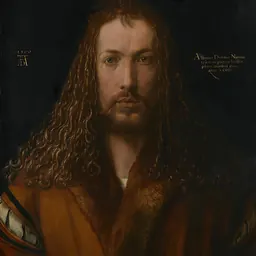
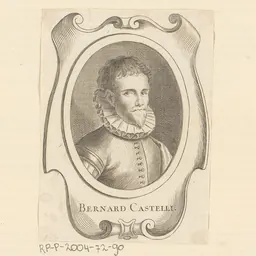
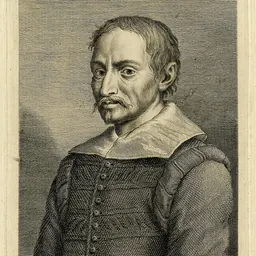

Related people
Same field, nearest in time
Contemporaries
People whose lives overlapped Luca Cambiaso's


Frequently asked questions
Who was Luca Cambiaso?
Italian painter (1527-1585)
When was Luca Cambiaso born?
Luca Cambiaso was born on 18 October 1527 in Moneglia.
When did Luca Cambiaso die?
Luca Cambiaso died on 6 September 1585 in Royal Monastery of San Lorenzo de El Escorial.
What was Luca Cambiaso's occupation?
Luca Cambiaso was a painter, sculptor, draftsperson and visual artist.
Sources & further reading
Cite this page
APA: Biography.guide. (2026). Luca Cambiaso. https://biography.guide/luca-cambiaso/
MLA: "Luca Cambiaso." Biography.guide, https://biography.guide/luca-cambiaso/.
Chicago: "Luca Cambiaso." Biography.guide. https://biography.guide/luca-cambiaso/.
Data last updated: 2026-09-21 · Spot an error? Report a correction.
Portrait: Wikimedia Commons · author & licence
Page generated 2026-09-27 04:59 UTC