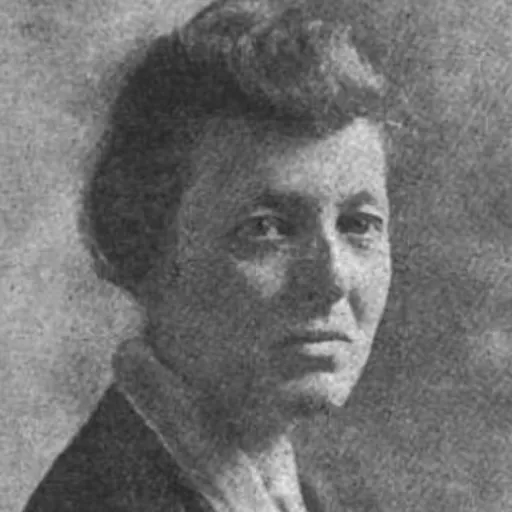
About Lottie Holman O'Neill
Lived 1878 – 1967 (aged 88). Lottie Holman O'Neill was an American politician.
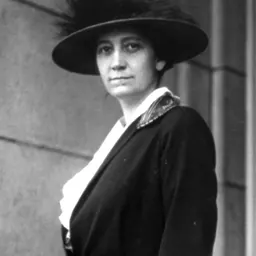
Lottie (Holman) O'Neill (November 7, 1878 – February 17, 1967) was an American politician from Illinois who was the first woman elected to the Illinois General Assembly. First elected in 1922, O'Neill served 40 years in the Assembly, the longest-serving female elected official in the United States at the time.
O'Neill's record as the longest-serving female legislator in Illinois history for her service during 19 General Assemblies was surpassed when Barbara Flynn Currie was reelected to a twentieth term.
Biography She was born November 7, 1878, in Barry, Illinois. She attended the common schools.
Political career O'Neill was inspired by the political success of Jeannette Rankin of Montana, who in 1916 was the first woman elected to the United States House of Representatives. and improving state assistance for disabled children.
In 1930, O'Neill ran against incumbent Richard J. Barr in the 41st district Republican primary for the Illinois Senate. She lost the Republican primary, but entered that year's United States Senate election as an independent candidate with the backing of the Illinois chapter of the Anti-Saloon League. O'Neill ran an aggressive campaign accusing Republican Ruth Hanna McCormick of corruption and attacking McCormick's inconsistent stance on prohibition. McCormick, who defeated Charles S. Deneen in the Republican primary, lost the election to Democrat J. Hamilton Lewis with O'Neill finishing a distant third.
She returned to the Illinois House in 1933. In 1935, a Democratic lawmaker called for O'Neill to be expelled from the House after she and a colleague introduced a resolution critical of President Franklin D. Roosevelt and Governor Henry Horner. The matter was settled after the offending resolution was withdrawn. Holman O'Neill was the chief sponsor of the bill that allowed women to serve on juries in Illinois. The bill passed in 1939, decades after Alta Hulett became the first woman admitted to the Illinois bar.
During her second House tenure O'Neill grew more conservative, a trend that would continue for the rest of her political career. She opposed federal income tax, growing state budgets, and "excessive regulations." After the war was declared, she remained a critic of the Roosevelt administration's wartime conduct and decisions.
Her isolationist tendencies would continue after World War II. She was a supporter of the Bricker Amendment and an opponent of American membership in the United Nations. In 1946, she successfully prevented National Federation of Republican Women from endorsing the proposed United Nations. Her opposition to the UN was so strong she even wished to see a ban on public buildings in Illinois flying the flag of the United Nations.
O'Neill defeated the party's preferred slate of delegates to the 1956 Republican National Convention, which re-nominated Dwight Eisenhower. Prior to Eisenhower's nomination, she pressed the RNC on whether or not Eisenhower had adequately recovered from his heart attack, embarrassing the party. She defeated Fawell and was reelected to her sixth term. O'Neill would blame Nixon's loss on his stances as a Rockefeller Republican.
She announced her retirement from the legislature January 8, 1962. She was succeeded in the Illinois Senate by her 1958 primary opponent Harris Fawell. In the 1964 presidential election, O'Neill was a staunch supporter of Barry Goldwater.
She was described as strong willed and independent, and was referred to by her colleagues as the "conscience of the Senate".
Legacy A historical marker about her achievements can be found next to her gravesite.
Don’t just read it —
keep it.
Full-length biographies made to live with: read them, listen on the way to work, watch them tonight.
- E-book
- Audio
- Video
Instant download · yours to keep · every purchase keeps this site free
Important facts
People in Lottie Holman O'Neill's life
Named in this biography and alive at the same time

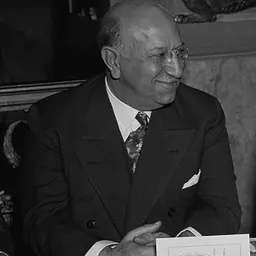
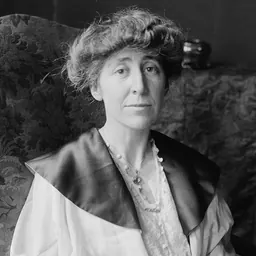
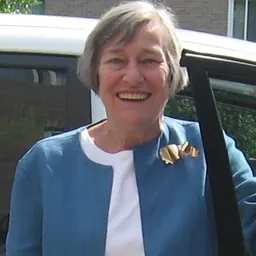


Related people
Same field, nearest in time





Contemporaries
People whose lives overlapped Lottie Holman O'Neill's




Frequently asked questions
Who was Lottie Holman O'Neill?
politician (1878-1967)
When was Lottie Holman O'Neill born?
Lottie Holman O'Neill was born on 7 November 1878 in Barry.
When did Lottie Holman O'Neill die?
Lottie Holman O'Neill died on 17 February 1967 in Downers Grove.
What was Lottie Holman O'Neill's occupation?
Lottie Holman O'Neill was a politician.
What nationality was Lottie Holman O'Neill?
Lottie Holman O'Neill was American.
Sources & further reading
· Wikipedia: Lottie Holman O'Neill
· DBpedia: Lottie Holman O'Neill
Cite this page
APA: Biography.guide. (2026). Lottie Holman O'Neill. https://biography.guide/lottie-holman-o-neill/
MLA: "Lottie Holman O'Neill." Biography.guide, https://biography.guide/lottie-holman-o-neill/.
Chicago: "Lottie Holman O'Neill." Biography.guide. https://biography.guide/lottie-holman-o-neill/.
Data last updated: 2026-09-20 · Spot an error? Report a correction.
Page generated 2026-09-27 05:10 UTC