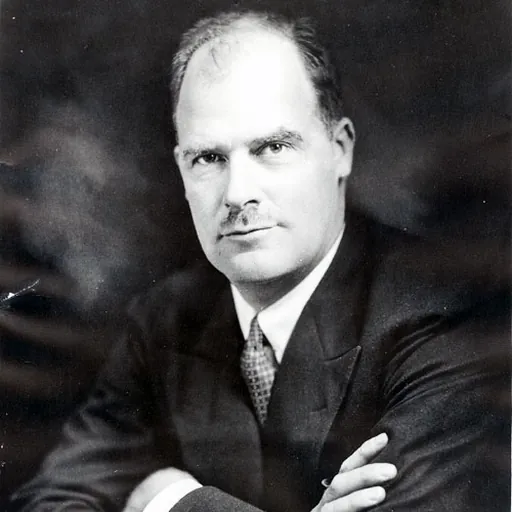
About Lithgow Osborne
Lived 1892 – 1980 (aged 87–88). Lithgow Osborne was an American diplomat.
Lithgow Osborne (1892 - 1980) was an American career diplomat. Lithgow Osborne was the third son of Thomas Mott Osborne. He was the United States ambassador to Norway from 1944 to 1946.
Career When Lithgow Osborne was in the middle of his senior year at Harvard University in 1914, Joseph C. Grew snapped him up for an assignment in the United States Embassy in Berlin as a private secretary to Ambassador James W. Gerard. Lithgow Osborne was plunged into the diplomatic and social life of World War I wartime Germany.
Osborne was transferred to the American Legation in Havana before President Wilson broke U.S. relations with Germany. Because of his familiarity with European affairs he was soon returned to the Continent as Secretary of the American Legation in Copenhagen.
After the first World War Osborne returned to Washington, D.C. where he worked within the State Department for a few years.
In 1922 he became the vice-president and editorial writer of the Auburn Citizen-Advertiser. In 1932 Osborne was back in government when Governor Herbert H. Lehman appointed him Commissioner of Conservation. After another ten years he departed Albany for Washington and a desk in the Office of Strategic Services (OSS).
Ambassador On September 21, 1944, President Franklin D. Roosevelt appointed Osborne as Ambassador to Norway, a post he held until May, 1946. On December 20 the same year Osborne presented his credentials as ambassador to King Haakon VII of Norway (in exile during World War II) in London and served until April 20, 1946. After taking care of the relationship with Norwegian exiles in London during World War II, Osborne moved to Oslo after the liberation in May 1945. His main post war tasks were to re-establish the good relations between the United States and the lawful Government of Norway on Norwegian soil, to make the United States Embassy in Oslo work efficiently again as well as to unite the United States' aid to the rebuilding of Norway after the war.
For several years after his return from Oslo, Lithgow Osborne was chairman of the board of trustees for the American Scandinavian Foundation.
In 1954 he helped draft the original Declaration of Atlantic Unity, which was both a statement of purpose and an agency designed to bolster the North Atlantic Treaty Organization (NATO).
Don’t just read it —
keep it.
Full-length biographies made to live with: read them, listen on the way to work, watch them tonight.
- E-book
- Audio
- Video
Instant download · yours to keep · every purchase keeps this site free
Important facts
People in Lithgow Osborne's life
Named in this biography and alive at the same time
Related people
Same field, nearest in time
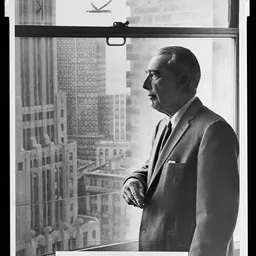

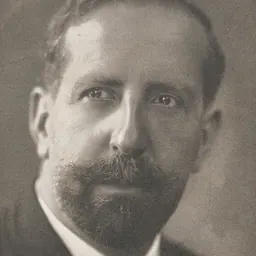
Contemporaries
People whose lives overlapped Lithgow Osborne's
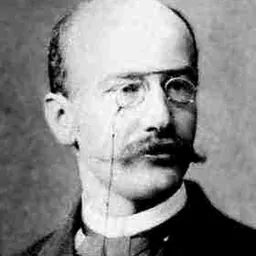
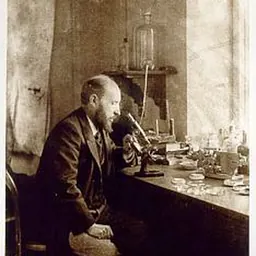




Frequently asked questions
Who was Lithgow Osborne?
U.S. diplomat
When was Lithgow Osborne born?
Lithgow Osborne was born in 1892 in Auburn.
When did Lithgow Osborne die?
Lithgow Osborne died in 1980.
What was Lithgow Osborne's occupation?
Lithgow Osborne was a diplomat.
What nationality was Lithgow Osborne?
Lithgow Osborne was American.
Sources & further reading
Cite this page
APA: Biography.guide. (2026). Lithgow Osborne. https://biography.guide/lithgow-osborne/
MLA: "Lithgow Osborne." Biography.guide, https://biography.guide/lithgow-osborne/.
Chicago: "Lithgow Osborne." Biography.guide. https://biography.guide/lithgow-osborne/.
Data last updated: 2026-09-22 · Spot an error? Report a correction.
Portrait: Wikimedia Commons · author & licence
Page generated 2026-09-27 05:03 UTC