
About Leonardo Vinci
Lived 1690 – 1730 (aged 39–40). Leonardo Vinci was an Italian composer and chapelmaster.
Leonardo Vinci (1690 – 27 May 1730) was an Italian Baroque composer known chiefly for his 40 or so operas. Comparatively little of his work in other genres survives. A central proponent of the Neapolitan School of opera, his influence on subsequent opera composers such as Johann Adolph Hasse and Giovanni Battista Pergolesi was considerable.
Life and career
He was born at Strongoli and educated at Naples under Gaetano Greco in the Conservatorio dei Poveri di Gesù Cristo. He first became known for his opere buffe (comic operas) in the Neapolitan language in 1719; he also composed many opere serie (dramatic operas). He was received into the Congregation of the Rosary, a lay religious and burial fraternity, at Formiello in 1728. He died in May 1730. Vinci is rumoured to have been poisoned by a jealous husband in the wake of an ill-advised affair, a story which is given by several reliable authorities without evident contradictions.
Music Vinci's opere buffe, of which Li zite 'ngalera (1722) is generally regarded as the best, are full of life and spirit; his opere serie, of which Didone Abbandonata (Rome, 1726) and Artaserse (Rome, 1730) are the most notable, have an incisive vigour and directness of dramatic expression praised by music historian Charles Burney. According to Burney,
The well-known aria "Vo solcando," from Artaserse, is a good example of his style.
Works Operas
Le doje lettere (1719) Lo cecato fauzo (1719) Lo scagno (1720) Lo scassone (1720) Lo Barone di Trocchia (1721) Don Ciccio (1721) Li zite 'ngalera (1722) La festa di Bacco (1722) Publio Cornelio Scipione (1722) Lo castiello sacchiato (1722) Lo labberinto (1723) Semiramide (1723) Silla dittatore (1723) L'Eraclea (1724) Farnace (1724) La mogliera fedele (1724) Turno Aricino (1724) Ifigenia in Tauride (1725) La Rosmira fedele (1725) also known as Partenope (1725) Il trionfo di Camilla (1725) Elpidia (1725) L'Astianatte (1725) Didone abbandonata (1726) Siroe, Re di Persia (1726) L'asteria (1726) Ernelinda (1726) Gismondo, Rè di Polonia (1727) La caduta dei Decemviri (1727) Il Medo (1728) Catone in Utica (1728) Flavio Anicio Olibrio (1728) Alessandro nell'Indie (1729) Farnace (1729) La Contesa dei Numi (1729) Massimiano (1729) Artaserse (1730)
Other works In addition to operas, Vinci wrote a few cantatas, sonatas, a serenata, and two oratorios (Oratorio di Maria dolorata ca. 1723 and Oratorio per la Santissima Vergine del Rosario ca. 1730). His sonata in D major for flute and basso continuo is still played today. He composed two sonatas for the recorder in addition to a recorder concerto in A minor.
Selected recordings Fileno – Soprano Cantatas Mesta Oh Dio, tra queste selve. Mi costa tante lacrime. Amor di Citerea. Parto, ma con qual core. Emanuela Galli & Francesca Cassinari, Stile Galante, Stefano Aresi. With work wrongly attributed to Vinci by Alessandro Scarlatti Fille, tu parti? Oh Dio! Pan Classics 2011. In 2015 Decca released a Parnassus Arts Productions recording of his 3-act opera seria, Catone in Utica (Rome, 1728).
Don’t just read it —
keep it.
Full-length biographies made to live with: read them, listen on the way to work, watch them tonight.
- E-book
- Audio
- Video
Instant download · yours to keep · every purchase keeps this site free
Important facts
People in Leonardo Vinci's life
Named in this biography and alive at the same time
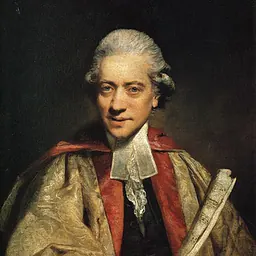
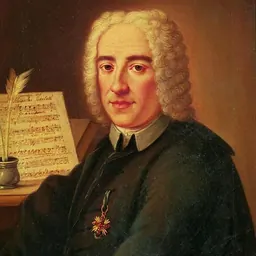

Related people
Same field, nearest in time

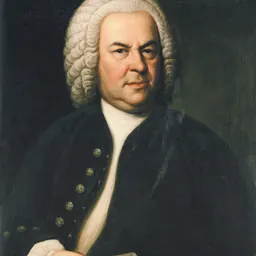
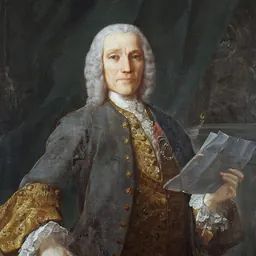
Contemporaries
People whose lives overlapped Leonardo Vinci's




Frequently asked questions
Who was Leonardo Vinci?
Italian opera composer
When was Leonardo Vinci born?
Leonardo Vinci was born in 1690 in Strongoli.
When did Leonardo Vinci die?
Leonardo Vinci died on 27 May 1730 in Naples.
What was Leonardo Vinci's occupation?
Leonardo Vinci was a composer and chapelmaster.
What nationality was Leonardo Vinci?
Leonardo Vinci was Italian.
Sources & further reading
Cite this page
APA: Biography.guide. (2026). Leonardo Vinci. https://biography.guide/leonardo-vinci/
MLA: "Leonardo Vinci." Biography.guide, https://biography.guide/leonardo-vinci/.
Chicago: "Leonardo Vinci." Biography.guide. https://biography.guide/leonardo-vinci/.
Data last updated: 2026-09-20 · Spot an error? Report a correction.
Page generated 2026-09-27 05:33 UTC