
About Kiyoshi Hiraizumi
Lived 1895 – 1984 (aged 89). Kiyoshi Hiraizumi was a Japanese historian.
was a Japanese historian and professor of history at the Imperial University of Tokyo. He is best known for Kōkoku Shikan (皇國史観, the emperor-centred view of history) theory and was highly influential in Japanese conservative and nationalist politics. He was also a shinto priest at Heisenji Hakusan Shrine.
Life and work Hiraizumi was born on 15 February 1895 to a father who was a priest at the Heisenji Hakusan shrine in Katsuyama. He was educated at Fourth Higher School (Kanazawa University), graduating from Tokyo Imperial University in 1918.
He began working as a lecturer at his alma mater only a few years later, in 1923, and three years later held the post of associate professor in the Faculty of Letters; in 1935 he was promoted to full professor. He also helped to found the History Education Seminar, which oversaw the content of history textbooks; he also contributed to educational materials for both the police and the military. Despite being technically subordinate to the departmental head, Kuroita Katsume, Hiraizumi was considered by the faculty's students to be in charge of the history department. With the backing of the Ministry, Hiraizumi created a new course known as Nihon shisoshi koza or History of Japanese Thought, which was highly politicised, emphasising Hiraizumi's belief in the divine origin of the Japanese Imperial line. and was appointed by Kanokogi Kazunobu as a member of the Dai Ajia Kyokai (Greater Asian Association), a group of politicians, diplomats and others which was dedicated to spreading Japanese nationalist thinking throughout Asia. This society included Kōki Hirota, Konoe Fumimaro and Araki Sadao among its members, as well as many other notable personages.
Hiraizumi had travelled in Europe during the early 1930s. However, without Hiraizumi's presence the ultra-nationalist trends of the university's history department began to be reversed, and his views began to fall out of fashion, replaced by Marxist historiography. Eventually, Hiraizumi took up his father's role as a priest at the Heisenji Hakusan Shrine, where the spirit of Izanami is enshrined; on his retirement in 1981 the role passed to his son, Akira Hiraizumi. Hiraizumi died on 18 February 1984.
Major works Chusei ni okeru seishin seikatsu (Spiritual Life in Medieval Japan), 1926 Chusei ni okeru shaji to shakai to no kankei (The Relationship of Shrines and Temples in the Society of Medieval Japan) Kokushigaku no kotsuzui (The Heart of National History) Kenmu chuko no hongi (True Meaning of the Kenmu Restoration), 1934 Shonen Nihon Shi (Japanese History for Young People), 1970
Don’t just read it —
keep it.
Full-length biographies made to live with: read them, listen on the way to work, watch them tonight.
- E-book
- Audio
- Video
Instant download · yours to keep · every purchase keeps this site free
Important facts
People in Kiyoshi Hiraizumi's life
Named in this biography and alive at the same time
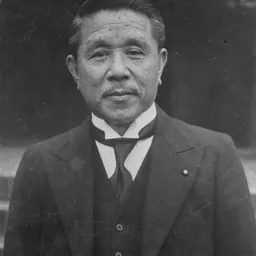
Related people
Same field, nearest in time

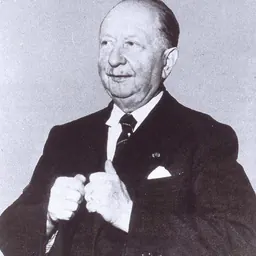
Contemporaries
People whose lives overlapped Kiyoshi Hiraizumi's
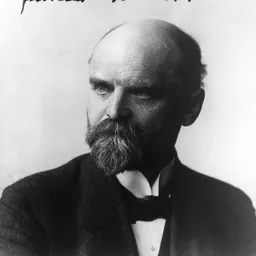
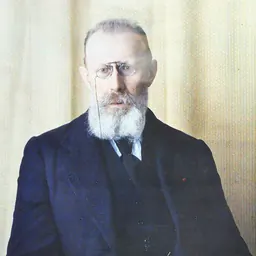
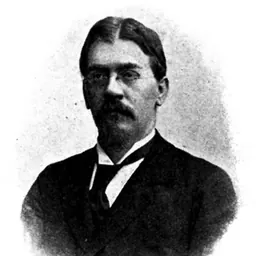

Frequently asked questions
Who was Kiyoshi Hiraizumi?
Japanese historian (1895-1984)
When was Kiyoshi Hiraizumi born?
Kiyoshi Hiraizumi was born on 15 February 1895 in Fukui Prefecture.
When did Kiyoshi Hiraizumi die?
Kiyoshi Hiraizumi died on 18 February 1984 in Fukui Prefecture.
What was Kiyoshi Hiraizumi's occupation?
Kiyoshi Hiraizumi was a historian.
What nationality was Kiyoshi Hiraizumi?
Kiyoshi Hiraizumi was Japanese.
Sources & further reading
· Wikipedia: Kiyoshi Hiraizumi
Cite this page
APA: Biography.guide. (2026). Kiyoshi Hiraizumi. https://biography.guide/kiyoshi-hiraizumi/
MLA: "Kiyoshi Hiraizumi." Biography.guide, https://biography.guide/kiyoshi-hiraizumi/.
Chicago: "Kiyoshi Hiraizumi." Biography.guide. https://biography.guide/kiyoshi-hiraizumi/.
Data last updated: 2026-09-20 · Spot an error? Report a correction.
Page generated 2026-09-27 05:20 UTC