
About Kidar Sharma
Lived 1910 – 1999 (aged 89). Kidar Sharma was an Indian author, film director, film producer, lyricist, songwriter and screenwriter.
Kidar Nath Sharma (12 April 1910 – 29 April 1999), also known as Kedar Sharma, was an Indian film director, producer, screenwriter, and lyricist of Hindi films.
While he had great success as a director of movies including Neel Kamal (1947), Bawre Nain (1950) and Jogan (1950), he is most remembered for starting the acting careers of popular Bollywood actors like Madhubala, Geeta Bali, Raj Kapoor, Mala Sinha, Bharat Bhushan and Tanuja. in Narowal in what was then the Punjab region of India and grew up in a life of poverty. Two brothers, Ragunath and Vishwa had died as infants and his sister, Taro, died of Tuberculosis at an early age. A younger sister Guro survived as did a younger brother, Himmat Rai Sharma, who would later work with Kidar on films before establishing himself as a successful Urdu poet. Kidar attended the Baij Nath High School in Amritsar where he became interested in philosophy, poetry, painting and photography. Upon completion of high school, he ran away from home to pursue a career in cinema in Mumbai but was unsuccessful in gaining employment. He returned to Amritsar and attended the Hindu Sabha College where he founded a College Dramatic Society which would later give him his first break in film.
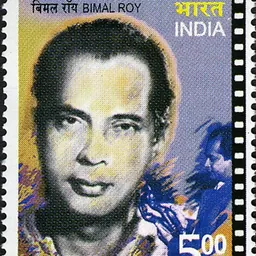
Career The head of a local Temperance movement would attend one of Kidar's plays and hired him to produce a silent film depicting the evils of alcohol. Using the money he earned from this project, he would receive his master's degree in English at Khalsa College, Amritsar before joining a local theatre group that earned him limited acting success in 1931. He was married in 1932 and painted to earn income. Upon seeing an early talkies film Puran Bhagat (1933) by film director Debaki Bose, he left for Calcutta hoping to get his big break at New Theatres Studios, where Debaki Bose worked. After many months of unemployment he managed to meet a then-unknown actor of New Theatres, Prithviraj Kapoor (where he would meet Prithviraj's eight-year-old son for the first time, Raj Kapoor). Prithviraj Kapoor introduced Kidar to his neighbour, then-unknown Kundan Lal Saigal, who through an acquaintance allowed Kidar to meet Debaki Bose. Debaki Bose hired Kidar initially to become the Movie stills photographer for the film Seeta (1934) but would give Kidar his first part in the creation of film with that of a backdrop screen painter and a poster painter for the film Inquilab (1935) where Kidar also had a bit part. Kidar would continue to work with New Theatres on films such as Dhoop Chhaon (1935) and Pujarin (1936) but a big break would come when Kidar was asked to write the dialogue and lyrics for the 1936 adaptation of Devdas starring his friend Kundan Lal Saigal. Devdas was not only a hit, but songs from the film such as Balam Aaye Baso Moray Man Mein and Dukh Ke Ab Din Beetat Naahi became feverishly popular throughout the country, giving Kidar Sharma acclaim by the press and public. Kidar would later say, "Both Bimal Roy and I got our first big break in Devdas. He as the cameraman and I as the writer." In 1958, he would work for one year directing movies in Singapore for Shaw Brothers Studio.
Personal life Sharma's second wife was Bengali actress Kamla Chatterjee, whom he met on the sets of Vish Kanya (1943). They married in 1944. She died in January 1946.
Death and legacy An outstanding poet, Sharma wrote some of the most memorable songs including Balam aayo baso more man mein, Dukh kay ab din beetat nahi, Khayalon Mein Kisike Iss Tarah Aaya Nahin Karte (Bawre Nain), Kabhi Tanhaiyon Mein Yuun Hamari Yaad Aaeygi (Hamari Yaad Aayegi) and Teri duniya mein dil lagta nahi. Kidar would continue to contribute as a lyricist and to write and direct films through the 1990s. Ironically, many Indian film critics and historians argued that he deserved the highest cinema award from the government of India but he died on 29 April 1999 in Mumbai a day before he was to receive the Raj Kapoor Award, named in honour of the actor he helped make a success. Best Children's Film, International Film Festival at Venice 1957 for Jaldeep Indian Film Directors' Association Lifetime Achievement Award Gold Award from Prime Minister Indira Gandhi in 1982 for contribution to Indian Cinema Government of Maharashtra's Raj Kapoor Award (awarded in 1999 after his death) (film directed by Ranjit Sen). Dil Hi Toh Hai
Aulad 1941 Chitralekha
Armaan Gauri 1944 Mumtaz Mahal
Dhanna Bhagat Chand Chakori 1946 Duniya Ek Sarai 1947 Neel Kamal Producer 1948 Suhaag Raat
Neki Aur Badi Thes
Bawre Nain Producer Jogan 1951 Shokhiyan Producer 1952 Sapna 1953 Gunah 1954 Chora-Chori
Rangeen Raaten Producer Jaldeep (Light House)
Ganga Ki Lahren Bachchon Se Bate (Talking To Children)
Haria Gulab Ka Phool (The Rose Among Flowers)
26 January (India's Republic Day) Ekta (In Unison) Guru Bhakti (Devotion) Panchtantra Ki Ek Kahani (A Story From The Panchantra) Yatra (Journey)
Dilli Ki Kahani (The Story of Delhi City) Chetak Meera Ka Chitra (Portrait of Meera) Nyaya (Justice) CFSI Film, Camera
Hamari Yaad Aayegi Mahateerth (Great Pilgrimage) CFSI Film
Fariyad Chitralekha 1965 Kaajal 1981 Pehla Kadam 1983 Khuda Hafiz (Goodbye) CFSI Film
His Filmography list is incomplete need to done more work.
Children's Film Society of India Contributions Jaldeep (Light House) (1956), writer, director Ganga Ki Lahren (1957), writer, director Bachchon Se Bate (Talking To Children) (1957), writer, director Haria (1958), writer Gulab Ka Phool (The Rose Among Flowers) (1958), writer, director 26 January (India's Republic Day) (1959), writer, director Ekta (In Unison) (1959), writer, director Guru Bhakti (Devotion) (1959), writer Panchtantra Ki Ek Kahani (A Story From The Panchantra) (1959), writer Yatra (Journey) (1959), writer Dilli Ki Kahani (The Story of Delhi City) (1960), writer Chetak (1960), writer, director Meera Ka Chitra (Portrait of Meera) (1960), writer, director Nyaya (Justice) (1960), Camera Mahateerth (Great Pilgrimage) (1961), writer, director Aise Log Bhi Hote Hain Telefilm Khuda Hafiz (Goodbye) (1983), writer, director, lyricist
Don’t just read it —
keep it.
Full-length biographies made to live with: read them, listen on the way to work, watch them tonight.
- E-book
- Audio
- Video
Instant download · yours to keep · every purchase keeps this site free
Important facts
People in Kidar Sharma's life
Named in this biography and alive at the same time

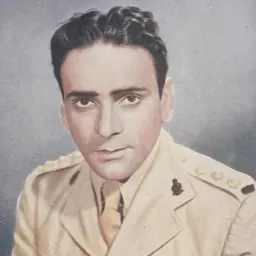
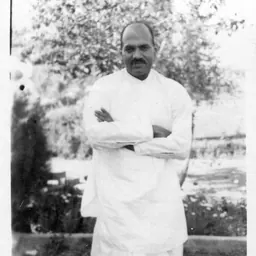
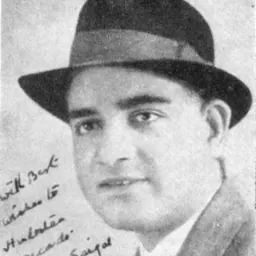

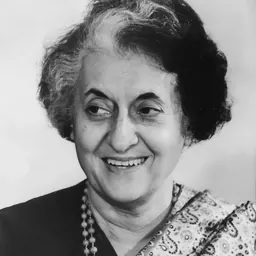

Related people
Same field, nearest in time


Contemporaries
People whose lives overlapped Kidar Sharma's





Frequently asked questions
Who was Kidar Sharma?
Indian film director
When was Kidar Sharma born?
Kidar Sharma was born on 12 April 1910 in Narowal.
When did Kidar Sharma die?
Kidar Sharma died on 29 April 1999 in Mumbai.
What was Kidar Sharma's occupation?
Kidar Sharma was an author, film director, film producer, lyricist, songwriter and screenwriter.
What nationality was Kidar Sharma?
Kidar Sharma was Indian.
Sources & further reading
Cite this page
APA: Biography.guide. (2026). Kidar Sharma. https://biography.guide/kidar-sharma/
MLA: "Kidar Sharma." Biography.guide, https://biography.guide/kidar-sharma/.
Chicago: "Kidar Sharma." Biography.guide. https://biography.guide/kidar-sharma/.
Data last updated: 2026-09-20 · Spot an error? Report a correction.
Page generated 2026-09-27 05:06 UTC