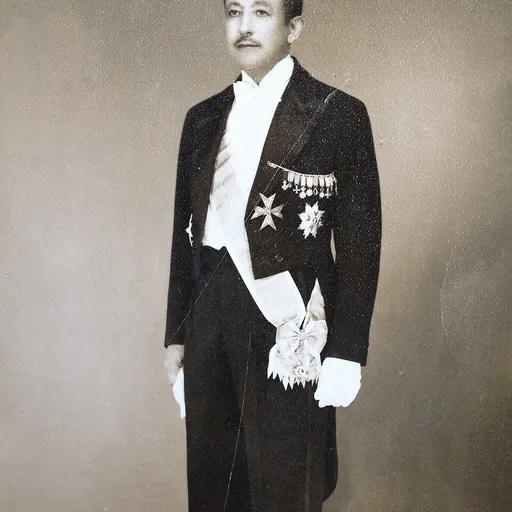
About Kebede Mikael
Lived 1914 – 1998 (aged 83–84). Kebede Mikael was an Ethiopian writer, politician, novelist, poet, playwright and historian.
Kebede Michael (; 2 November 1916 – 12 November 1998) was an Ethiopian-born author of both fiction and non-fiction literature. He is widely regarded as one of the most prolific and versatile intellectuals of modern Ethiopia – he was a poet, playwright, essayist, translator, historian, novelist, philosopher, journalist, and government minister belonging to the Shewa Amhara nobility and member of the Solomonic dynasty. His maternal ancestor was King Sahle Selassie of Shewa.
He has produced about ninety published works in several languages, some of which have been translated into foreign languages, and have greatly influenced twentieth-century Ethiopian literature and intellectual thought. Soon after his birth, his father left the country and vanished. His uncle Lij Seifu Mikael became his father figure and would raise him into adulthood.
Education Kebede Mikael attended Ethiopian Orthodox Täwaḥədo Church education, starting at a very young age. Residents of the vicinity and his admirers express their disappointment that "his walls, which once were stacked end to end by book shelves, are now stacked with alcohol."
He also received distinguished awards from the governments of other countries, such as France, Germany, Italy, the USSR and Mexico.
Educational የዕውቀት ብልጭታ (Yeweket Bellichta) [A Spark of Knowledge] (1950) የመዠመሪያ እርምጃ (Yemejemeriya Ermija) [First Step] ታሪክና ምሳሌ 1, 2, 3 (Tarikena Missalie) [Proverbs] ታላላቅ ሰዎች (Talalaq Sewoch) [Great People in History] (1963) የዓለም ታሪክ ፩ኛ ክፍል (Ye’alem Tarik, Kifil 1) [History of the World, Part 1] (1955) ጃፓን እንደምን ሰለጠነች? (Japan Indemin Seletenech?) [How Did Japan Modernize?] የሥልጣኔ አየር (Yesilitane Ayer) [The Breeze of Civilization] ኢትዮጵያና ምዕራባዊ ሥልጣኔ (Ityopya Ena Me’erabawi Selitane) [Ethiopia and Western Civilisation] [L'Ethiopie et la civilisation occidentale] – originally written in Amharic (1949); translated into French and English by Marcel Hassid
Poems and qene ብርሃነ ሕሊና (Berhane Helina) [The Light of the Mind] የቅኔ አዝመራ (YeQine Azmera) [A Meadow of Qəne] ሙዚቃ (Muzika) [Music] የቅኔ ውበት (YeQine Wubet) [The Beauty of Qəne] የድርሰት ትንሣዔ (Yedirset Tinsae) [The Resurrection of Writing]
Plays የትንቢት ቀጠሮ (Ye Tinbit Ketero) [Prophesy Fulfilled?] (1947) አኒባል (Anibal) [Hannibal] በላይነህ/ የቅጣት ማዕበል (Belayneh/Ye Qitat Ma'ebel) [A Storm of Punishments] ካሌብ (Kaleb) አክዐብ (Ak’ab) ቅዱስ ገብርኤል በምድረ ገነት (Kidus Gabriel Be Midre Ghenet) [St. Gabriel in Heaven]
History ግርማዊነታቸው ባሜሪካ አገር (Girmawinetachew BeAmerica Ager) [His Highness Emperor Haile in America] (Hard Cover – 1966) የኢትዮጵያ የጥንት ስእሎች (YeEthiopia Yetint S'eloch) [Old Ethiopian Paintings] (Paper cover – 1969) – in Amharic, French and English
Era of Japanization Kebede Mikael is one of the most prominent of the Ethiopian Japanizing intellectuals, writing one of his most prominent books on the topic: Japan Indemin Seletenech? (Amharic: ጃፓን እንደምን ሰለጠነች?, translate: How Did Japan Become Civilized?). The Japanese miracle after the Second World War "provided a model for other Asian and African countries in their quest for rapid modernization"; so much so that the Japanese founded a famous and well-endowed institution, Institute of Developing Economies to aid those interested in the Japanese model. There was heavy focus on emulating the Japanese developmental and political model in twentieth-century Ethiopia. The popular Ethiopian historian Bahru Zewde writes that intellectuals of the early as well as mid-twentieth century called for "Japanization" and the "rapid development" of Ethiopia is to sustain its independence and pride.
In his book on the topic, Kebede provided a summary of how the Japanese aristocracy managed to build a strong, self-supporting, and technologically advanced state under the Meiji Dynasty, and drew lessons from Japan for Ethiopia. He recommended that since Ethiopia and Japan have many socio-economic and political similarities, Ethiopian policy should follow Japan's footsteps toward an advanced economy in the shortest possible time. He pointed out striking similarities between Ethiopian and Japanese histories in the late nineteenth and early twentieth centuries, such as the fact that they were both peoples of color who enjoyed victories over White European colonizers (Ethiopia against Italy in 1896, and Japan against Russia in 1905); withstood imperial powers in prior history (Japan against the Mongols in the 1280s, Ethiopia against the Ottoman Turks in the 1580s);
Ultimately, the Japanizer movement in Ethiopia failed, and the scholar Clarke writes that Kebede Mikael's yearnings illustrated a problem, as signaled in Bahru Zewde's criticism of Japanizers.
Some Ethiopian scholars such as Ghelawdewos Araia subscribe to Kebede Mikael's vision for Ethiopian unity and call the present generation "to carefully read the vision of Kebede Mikael and seriously consider the currently prevailing narrow and annoying hate politics." Araia notes that he subscribes to Kebede Mikael's vision for unity and development because "Kebede Mikael uniquely combines both patriotism and a development vision." No other Ethiopian in the country's history so far has been able to write as extensively on as wide a variety of disciplines as did Kebede Mikael. His contributions to the development of education and literature in Ethiopia were significant.
Sahle Selassie B.Mariam writes that while we associate most other authors with a single, emblematic work, Kebede Mikael produced many: "n the case of Kebede Michael ... what echoes in our [Ethiopians’] heads is the idea of him as more of an institution than the title of any one book... That institution is the collectivity of Kebede Mikael's literary production."
Don’t just read it —
keep it.
Full-length biographies made to live with: read them, listen on the way to work, watch them tonight.
- E-book
- Audio
- Video
Instant download · yours to keep · every purchase keeps this site free
Important facts
People in Kebede Mikael's life
Named in this biography and alive at the same time


Related people
Same field, nearest in time




Contemporaries
People whose lives overlapped Kebede Mikael's



Frequently asked questions
Who was Kebede Mikael?
Ethiopian writer (1915-1998)
When was Kebede Mikael born?
Kebede Mikael was born in 1914 in Menz.
When did Kebede Mikael die?
Kebede Mikael died on 12 November 1998.
What was Kebede Mikael's occupation?
Kebede Mikael was a writer, politician, novelist, poet, playwright and historian.
What nationality was Kebede Mikael?
Kebede Mikael was Ethiopian.
Sources & further reading
Cite this page
APA: Biography.guide. (2026). Kebede Mikael. https://biography.guide/kebede-mikael/
MLA: "Kebede Mikael." Biography.guide, https://biography.guide/kebede-mikael/.
Chicago: "Kebede Mikael." Biography.guide. https://biography.guide/kebede-mikael/.
Data last updated: 2026-09-21 · Spot an error? Report a correction.
Portrait: Wikimedia Commons · author & licence
Page generated 2026-09-27 04:59 UTC