
Kawila
King of the Chao-Chet-Thon dynasty
About Kawila
Lived 1742 – 1816 (aged 73–74). Kawila was a Thai.
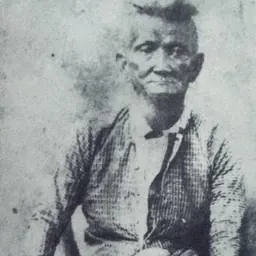
Kawila (, ; , 31 October 17421816), also known as Phra Boromrachathibodi (; ), was a Northern Thai ruler and the first monarch of Chiang Mai of the Chet Ton (Thipchakrathiwong) dynasty, and the leader of the restored polity in Lanna. His reign was shaped by near-constant warfare alongside large-scale efforts to rebuild towns, repopulate settlements, and restore administration across the "57 Lanna Tai cities."
He was a ruler who played an active role in military campaigns, cooperating with his six younger brothers and the forces of King Taksin of Thonburi to drive Burmese power out of Lanna and reassert local rule. In the aftermath, Lanna entered the Siamese sphere as a tributary polity, while Kawila emerged as the foremost ruler in the northern region.
In recognition of his military strength and loyalty to the Chakri dynasty, King Rama I ordered a formal consecration on 14 September 1802, elevating Kawila (then holding the title Phraya Wachiraprakan) to be King of Chiang Mai and paramount over Chiang Mai and the northern tributary towns. The elevation also marked him as the first Chiang Mai ruler to be raised to the rank of "tributary king".
Biography Early life In the early eighteenth century, when the influence of the Burmese Toungoo dynasty waned, Lanna exerted its independence but fragmented into several city-states. The ruler of Lamphun had taken control over the city of Lampang. The inhabitants of Lampang were dissatisfied with the rule of Lamphun and chose an animal hunter named Nan Thipchang or simply Thipchang to lead the Lampang forces to successfully expel the Lamphun from the city. Thipchang was declared as the ruler of Lampang in 1732 with the title of Phraya Sulawaluechai .
Kawila was born on 31 October 1742 at Lampang during the rule of his grandfather Lord Thipchang of Lampang. Kawila was a son of Chaikeaw all of whom would later become influential figures in subsequent Lanna history. Kawila's younger brothers included Khamsom, Thammalangka, Duangthip, Moola, Khamfan and Boonma. His younger sisters were Si-Anocha, Si-Kanya and Si-Boonthan.
Governor of Lampang (1775–1782) Wat Phra That Lampang Luang in Lampang, where the ceremony of drinking the sacred water to swear fealty to King Taksin was performed in January 1775. After the Chiang Mai campaign, King Taksin appointed Phraya Chaban Boonma as Phraya Wichianprakarn the governor of Chiang Mai under Thonburi Kingdom. Taksin also returned to Lampang and officially appointed Kawila as the governor of Lampang in 1775. Kawila's younger brother Thammalangka was appointed as Uparaja or the vice-governor and heir.
In January 1777, the Burmese King Singu Min sent a huge Burmese forces of 15,000 men or 40,000 arrived to rescue Lampang in March 1786. The Burmese were successfully repelled and Lampang was saved.
In 1787, Prince of Phrae and Mongyawng attacked the Burmese-held Chiang Saen. Thado Mindin the Burmese governor of Chiang Saen fled to Chiangrai where he was captured and sent to Kawila at Lampang. Chiang Mai was then officially restored as the center of authority in Lanna. Inhabitants of Lampang were also partitioned into the founding population of Chiang Mai. of people from other towns to accumulate manpower. In 1802, King Bodawpaya appointed a Chinese man from Yunnan Province named Chom Hong
In 1814, a failed Mon rebellion in Martaban against Burma led to migration of ten thousands of Mon people into Siam through the Mae Lamao Pass. Some of the Mons sheltered in Chiang Mai. Bangkok court commanded Kawila to bring the Mon refugees from Chiang Mai to Bangkok. Kawila left Chiang Mai in June 1815 but his eldest son Noi Suriyawong fell ill and died at Tak. Kawila reached Bangkok in late June and stayed there where he was given an opportunity to take royal barges on the sea tour of eastern Siamese coastline. Kawila left Bangkok in September 1815 to return to Chiang Mai.
Kawila died at Chiang Mai on January 17, 1816 and was succeeded as the ruler of Chiang Mai by his brother Thammalangka. However, after Kawila, subsequent rulers of Chiang Mai were not appointed as kings but were granted the rank of Phraya. Only about fifty years later in 1853 that the Bangkok court appointed a King of Chiang Mai. One of Kawila's children, Kawilorot Suriyawong would later reign as king of Chiang Mai.
Family and Issue Kawila took a lady with the name of Nocha as his consort. He had the following children;
Noi Suriyawong, given the position of Ratchabut, died from illness at Tak in June 1815. Nan Suriyawong, became Phraya Burirattana and later King Kawilorot Suriyawong (r. 1856 – 1870) of Chiang Mai. Nan Mahavong Lady Khamsai Nan Chaisena
Don’t just read it —
keep it.
Full-length biographies made to live with: read them, listen on the way to work, watch them tonight.
- E-book
- Audio
- Video
Instant download · yours to keep · every purchase keeps this site free
Important facts
People in Kawila's life
Named in this biography and alive at the same time


Contemporaries
People whose lives overlapped Kawila's






Frequently asked questions
Who was Kawila?
King of the Chao-Chet-Thon dynasty
When was Kawila born?
Kawila was born in 1742 in Lampang.
When did Kawila die?
Kawila died on 3 February 1816 in Chiang Mai.
What nationality was Kawila?
Kawila was Thai.
Sources & further reading
Cite this page
APA: Biography.guide. (2026). Kawila. https://biography.guide/kawila/
MLA: "Kawila." Biography.guide, https://biography.guide/kawila/.
Chicago: "Kawila." Biography.guide. https://biography.guide/kawila/.
Data last updated: 2026-09-20 · Spot an error? Report a correction.
Page generated 2026-09-27 05:32 UTC