
About Juan Manén
Lived 1883 – 1971 (aged 88). Juan Manén was a Spanish violinist and composer.
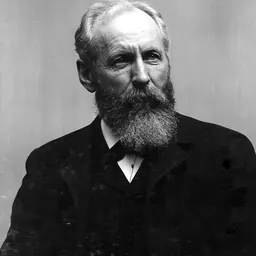
Juan Manén (or Joan Manén; 14 March 1883 – 26 June 1971) was a Spanish violinist and composer, born in Barcelona.
As a child, his progress in music was so rapid that his father exhibited him as a piano prodigy. Then, having studied the violin under Clemente Ibarguren, he debuted as a violinist, and met with such success that in Germany he was compared to his famous countryman Sarasate. Likewise he attracted much attention as a composer, not only in Spain, but perhaps to even a greater degree in Germany, where he resided at different times for protracted periods. His works comprise: the operas Giovanni di Napoli (1903), Der Fackeltanz (1909) and Neró i Acté (1928) with his own libretto; the symphonic poem Nova Catalonia; at least three violin concertos; "Fantasia - Sonata" for guitar; a suite for violin and piano; a piano quartet, a string quartet, and a number of exquisite miniatures for violin and orchestra. He also made a completion-cum-arrangement of Beethoven's Violin Concerto in C, which otherwise only survives in its first 259 measures.
Life Joan Manén was born in Barcelona, Catalonia. Precociously gifted, he learnt solfège and piano with his father from the age of three, and at seven played Chopin concertos in public. Meanwhile, at five, he had begun to study the violin with Vicente Negrevernis. The study of the piano and the violin is kept alike and with little time he develops an unusual facility for sight-reading all kinds of scores. In 1890 his father succeeded in convincing Clemente Ibarguren -formed in Paris- to give violin lessons to his son. They set two classes per week, and he rapidly attained astonishing technical mastery and at the age of nine made his début in Latin America.
His first opera, Juana de Nápoles (produced when he was 19), was well received at the Gran Teatre del Liceu from Barcelona, and he immediately followed this with Acté, for which (as for all his later operas) he wrote his own libretto. He then spent time in Germany, where he acquired an admiration for Wagner and Richard Strauss, which can be observed in his orchestral writing. Strauss's influence on his harmony can also be particularly heard in his songs. He composed prolifically in many genres, but later destroyed, disowned or radically revised everything he had composed before 1907. This led him, for example, almost completely to rewrite Acté - increasing the complexity of the texture - as Neró i Acté.
Development As for the style and influences of the first works, we can see that in many cases he took Spanish and Catalan popular themes that were reelaborated through a more central European language than Spanish. His fascination with Ludwig van Beethoven, Richard Wagner and later Richard Strauss made him take pleasure in the great forms and from the beginning of the twentieth century he began to tackle works with a Germanic language of poematic and descriptive style very close to what parallel Richard Strauss was cultivating. In a concert in Cologne on January 4, 1900, Strauss himself accompanied him at the piano for several of his works.
As Manén was gaining a greater command of orchestration his music was able to achieve more expressive depth and in operas such as Acté, premiered in 1903 at the Liceu in Barcelona, achieved through a powerful orchestral technique to condense and develop The drama is very effective and poignant. But to get to write an opera of the size of Acté he had to confront the composition of several zarzuelas such as "The Tantalus Infatuation", or "Elixir de amor" works composed during adolescence in difficult times of his career as a violinist. Thanks to the compositional experience of these works as well as the opera "Giovanna di Napoli", premiered at the Liceu in January 1903, he could face what would possibly be his key piece "Acté".
Consolidation The opera "Acté", inherited from a traditionally Germanic tradition, premiered at the Liceu in December 1903 and was understood by a Barcelona audience accustomed to the highly Italianized taste in those times. Just after the premiere he declared himself in the Catalan Musical Magazine: "I do not think that in the first performance the audience can follow me in everything I want to express in the score, but I trust that in successive auditions I will allow I get to him, especially his feeling, from which I think that the technique should not be but a transmission vehicle and, the more refined and perfect, the more powerful it will reach the feeling of the audience. " But while Manen was quite misunderstood and in many cases little valued on his land, little by little he was opening doors as a composer in Germany; Acté was represented with great success in Dresden (1908), Cologne (1910) and Leipzig (1913) and thanks to the public recognition that reached the work, his career as a composer acquires a new impulse. It is then when they see the light symphonic works of magnitude such as Nova Catalònia, Juventus and Suite for violin, piano and orchestra. In these first symphonic works we find a clear example of the style and the characteristics that will define the whole of his orchestral work. These are works that combine a highly skilled orchestration and a highly elaborate thematic elaboration, as a result of an assimilation of the Germanic repertoire, with the intuition and spontaneity of an extroverted musician and in many moments of eminently Mediterranean inspiration.
Works list +Compositions by Joan Manén classified by OpusTitleInstrumentationMovementsPublisherDurationOp A-1 Suite per a violí, piano i orquestra2.2.2.2- 2.2.3.0-timp., perc.-strings, violin & piano soloist1. Introduction: Allegro - 2. Scherzo: Allegretto mosso - 3. Catalana: Andante 4. Finale: Allegro energicoUniversal Edition30'Op A-2 Introducció, Andante i Variacions sobre un tema de Tartini, per a violí i orquestra2.2.2.2.- 4.2.0.0.- perc., strings, soloist violinIntroducció, Andante i VariacionsUniversal EditionOp A-3 Petita suite espanyola per a violí i pianoViolin and Piano1. Rondalla - 2. Marina - 3. Andaluza - 4. Dolora - 5. Moto PerpetuoMax Eschig15'Op A-4 Cinc caninos alemanyes per a ved i piano (based on text by Ernst and Elsa Laura Wolzogen)Voice and Piano1. Chopin 2. Mitternacht 3. Rosenbaum 4. Lenz-Tageweis 5. Reife.Editions Max Eschig / Juan Manén - Grafispania:Madrid / Huntsville, Tex.: Recital Publications (1989)17'Op A-4 nº5 "Liebesjubel" per a veu i pianoVoice and PianoJuan Manén -Grafispania: MadridOp A-5 Juventus. Concerto grosso per a dos violins, piano i orquestra2 violins, piano & orchestraI. Commodo- Allegro moderato II. Allegro non troppo III. Adagio IV AllegroUniversal EditionOp A-6 Quartet amb piano en fa menor "Mobilis in mobili"Piano quartet1. Vigoroso - Allegro moderatto - 2. Allegretto gioccoso - 3. Andante - 4. Allegro ritmicoVidal & Llimona31'Concert per a violí i orquestra (discontinued)1. Allegro non troppo - 2. Andante sostenuto - 3. Allegro con mottoUniversal EditionOp A-7 "Concierto español" nº 1 per a violí i orquestraViolin & orchestra1. Allegretto ben moderato - 2. Lamento - Adagio ma non troppo - 3. Allegro moltoUniversal Edition31'Op A-8 Cançó i Estudi per a violí i orquestra de corda / violí i pianoStrings (5. 5. 3. 2. 2.)Universal Edition / Berlin: Raabe & Plothow 1910 (Op. A-8 nº2)8'Op A-9 Tres Cançons franceses per a veu i pianoVoice & PianoEditions Max Eschig10'El Pross (discontinued)Pròleg- Acté I Primera jornada - Acte II Segona jornada - Acte III Tercera jornada- EpílegOp A-10 Quatre Cançons alemanyes per a veu i pianoVoice & Piano1-Schimmernder, flimmernder schmetterling 2. Serenade 3. Totenkranz 4.PrinzesschenUniversal Edition / Juan Manén -Grafispania: Madrid (1950) Huntsville, Tex. : Recital Publications (1989)Op A-11 Quatre cors Catalans per a veus mixtes i orquestra de cambra / veus mixtes i piano1.1.1.1-2.0.0.0 - perc.- stringsPapallona i Margarida (13'30 ) - Lo Pardal (5') – Els dos camins (6')Universal Edition (1934-1936) -discontinuedÈgloga per a cor i orquestra2.2.2.2-2.2.0.0- timp, perc., harp, stringsmanuscript (Arxiu Associació Joan Manén)14'30Op A-12 Tres Cançons Ibèriques per a cor de dones i pianoWomen Choir & Piano1. Charmangarria cera (pop.vasca) - 2. Fuíme a la Pola por vino (pop.asturiana)3. Muntanyes regalades (pop.catalana)Universal EditionOp A-13 Concert Simfònic per a piano i orquestra3.2.2.2.-4.2.3.1.-3 timp.,2 perc.-strings1. Allegro non troppo - 2. Andante sostenuto - 3. Allegro con mottoUniversal Edition (1st version) – Manuscript (2nd version)36'Op A-14 Caprici nº 1 en la menor per a violí i orquestra / violí i piano2.2.2.2. - 2.2.0.0 - perc., stringsUniversal Edition11 Op A-15 Caprici No. 2 en re menor per a violí i orquestra / violí i piano2. 2. 2. 2 - 2. 2. 0. 0 – perc. - cordesUniversal Edition / Huntsville, Texas: Recital Publications Huntsville (2006)9'Op A-16 Quartet per a corda en fa majorString QuartetI. Matí (Transparencia) – II. Migdia (Exultació) - III. Vespre (Inquietuts)Universal Edition30'Op A-17 Nova Catalònia: Simfonia º1 per a gran orquestra4. 4 .4. 4. - 6. 4. 4. 1. - percussion, 2 harps, piano, saxophone, strings1. Terra i Raça 2. Poble i joia 3. La nostre cançó 4. Nova CatalòniaUniversal Edition50'Op A-18 Quintet per a piano i cordes "Lui et elle" en do menorQuintet for piano & Strings1."Lui et elle" Allegro Assai 2. "Caresses" Adagio 3. "Eclat" AllegroUniversal Edition29'Op A-19 Der Weg zur Sonne / El Camí del sol3.3.4.3 - 4.3.3.1- 2 harps, piano (celesta), timpani, 2 percussions, stringsPròleg- Acté I Primera jornada - Acte II Segona jornada - Acte III Tercera jornada- EpílegUniversal Edition 1923Op A-20 Balada per a violí i pianoViolin & PianoUniversal Edition11'Op A-21 Neró i Acté (Opera)3. 3.3. 3 - 3. 4. 3. 1 - percussion, harp, celesta & stringsActe I - Acte II - Acte- III - Acte IVLeipzig: August Cranz 1928/ Karlsruhe : J. Manén, (reduction for voice & piano)2h. 10'Op A-22 Fantasia-Sonata per a guitarraGuitarSchoot Music – Editorial Berbén18'Op A-23 Obertura per a "La vida es sueño"3.3.3.2 - 4.3.3.1 - timp.-2 perc., stringsAdagio molto, misterioso e pesante-Allegro con fuoco-Doppio più lentoMax Eschig14 Op A-24 Concerto da camera No. 2 per a violí, orquestra de corda i arpaViolin, String Orchestra & Harp1. Presentació i desenvolupament 2. SardanaUniversal Edition25'Op A-25 Dansa Ibèrica nº 1 per a violí i piano; Dansa Ibèrica nº 2 per a violí i pianoViolin & PianoUniversal Edition(n. 1) - 8' (n.2) - 4'Op A-26 Cançó ibèrica nº1 "Flecha" per a veu i piano; Cançó ibèrica nº 2 "Sardana" per a veu i piano / veu i orquestraVoice & Piano / Voice & OrchestraMax Eschig(n. 1) - 3'30 (n.2) - 4'Op A-27 Rosario la tirana, ballet en un acte per an orquestra3.3.3.3 - 4.3.3.1 - timpani, 2 percussions, celesta, 2 harps, strings (8.8.4.4.4)Max EschigA-28 Cor nº1: Muntanyes del Canigó; Cor nº2: Caprici sobre el cant popular "El Pardal"ChoirCor nº1: Muntanyes del Canigó
Cor nº 5:
2ª Part: "El convidado de piedra" - Acte I "Estrella", Acte II "La emboscada", Acte III "La serenata"
3ª Part: "El eterno Don Juan"- Acte I "Orgia y Muerte", Acte II "Inmortalidad", Epíleg "En el espacio sideral"ManuscriptOp A-36 Dansa Ibèrica nº3 "Calatayud" per a violí i pianoMax Eschig7 Op A-37 Concert per a violí i orquestra nº 3 "Ibérico"2.2.2.2.-2.2.3.0.- timp.- perc. - strings. - soloist violin1. Allegro energico 2. Enlace: Adagio pesante 3. Finale: Allegro con spiritoJuan Manén, BarcelonaOp A-38 "El retrat de Dorian Gray" per an orquestraOp A-39 Concert per an oboè i orquestra1.0.2.0. / 2.0.0.0. / harp /strings/ soloist oboe1. Moderato Cantabile - Allegro un poco mosso - 2. Enlace: Adagio - 3. Scherzo: FinaleManuscriptOp A-40 Belvedere: suite per a flauta i orquestra de corda / flauta i pianoOptional extension with wind section (0.2.2.2- 2.2.0.0-timp.)1-En un prado cimero 2-Garbo 3-Ante la tumba de nuestra inolvidable Memé 4-Danza popular, que no lo esLos Angeles: Affiliated Musicians / New York: Mills Music24 Op A-42 "Sonata di concerto" per a violoncel i pianoCello and Piano1- Adagio-Allegro energico 2- Andantino amabile 3- Allegro ritmico e giustoJoan Manén (SGAE)28'Op A-43 "Elogio del fandango"3.3. 2. 2. - 4. 3. 3. 1. - timp., perc., harp and stringsChester Novello20'Op A-44 "Diálogo" per arpa, flauta, violí, viola i violoncelHarp, flute, violin, viola and celloManuscript16'Op A-45 Soledad2.3.3.2 - 3.4.2.1-, harp, timpani, percussion, stringsActe I - Acte II - Acte IIIManuscriptActe I 65', acte II 40', acte III 50'Op A-46 "Romanza mística" per a violí i orquestra de corda / violí i pianoUnión Musical EspañolaOp A-47 Cor nº 3 El dos camins; Cor nº 4 Muntanya de Montserrat; Simfonia Ibèrica nº2Simfonia: 3.3(C.i.).4.3 – 3.3.3.1- timpani, 2 perc., strings.(Simfonia Ibèrica n. 2): 1. Andante quasi adagio 2. Allegro scherzando 3. Andante pesante 4. FinalMadrid, Grafispania (1959)cor n. 3: 6'
cor n. 4: 6'Op A-48 Romança amorosa per a violí i orquestra de corda / violí i pianoString Orchestra and soloist violinUnión Musical Española10'Op A-49 Concertino per a violí i orquestra; "Festividad", poema simfònic evocant una commemoració(Concertino) 2-2-2-2/2-2-0-0-/ timpani/ strings / soloist violin
("Festividad") 3.3.3.3-4.3.3.1-3 timp., 1 perc., strings.Manuscript("Festividad") 13'Op A-50 Rapsòdia Catalana per a piano i orquestra2.2.2.2-2.2.0.0 - timp.- stringsModerato cantabile- Allegretto mosso- Allegro- Doppio più lento- Allegro vivaceManuscript
Discography
2012: "Obres per a violí i piano 1". Kalina Macuta, violin; Daniel Blanch, piano. Joan Manén Collection Vol. 1 2013: "Sardanes per a cobla". Cobla de cambra de Barcelona, conductor: Jordi Molina. 2014 "Concert da càmera per a violí i i orquestra nº2 i Concert per a oboè i orquestra". Orquestra Terrassa 48, conductor: Xavier Puig. Violin soloist: Kai Gleusteen. Joan Manén Collection Vol. 2 2015 "Obra Coral" Lieder Càmera, conductor Xavier Pastrana. Joan Manén Collection Vol. 3 2016 "Obres per a violí i piano 2". Kalina Macuta, violin; Daniel Blanch, piano. Joan Manén Collection, editat per La mà de Guido, LMG2138. 2020 Violin Concerto No. 3 Ibérico & Symphony No. 2 Ibérica. Ana María Valderrama, violin. Barcelona Symphony Orchestra, conductor: Darrell Ang. Naxos 8.574274-75
Don’t just read it —
keep it.
Full-length biographies made to live with: read them, listen on the way to work, watch them tonight.
- E-book
- Audio
- Video
Instant download · yours to keep · every purchase keeps this site free
Important facts
People in Juan Manén's life
Named in this biography and alive at the same time




Related people
Same field, nearest in time


Contemporaries
People whose lives overlapped Juan Manén's




Frequently asked questions
Who was Juan Manén?
Spanish violinist and composer (1883–1971)
When was Juan Manén born?
Juan Manén was born on 14 March 1883 in Barcelona.
When did Juan Manén die?
Juan Manén died on 26 June 1971 in Barcelona.
What was Juan Manén's occupation?
Juan Manén was a violinist and composer.
What nationality was Juan Manén?
Juan Manén was Spanish.
Sources & further reading
Cite this page
APA: Biography.guide. (2026). Juan Manén. https://biography.guide/juan-manen/
MLA: "Juan Manén." Biography.guide, https://biography.guide/juan-manen/.
Chicago: "Juan Manén." Biography.guide. https://biography.guide/juan-manen/.
Data last updated: 2026-09-20 · Spot an error? Report a correction.
Page generated 2026-09-27 05:22 UTC