
Joseph T. Angelo
World War I recipient of the Distinguished Service Cross (1896−1978)
About Joseph T. Angelo
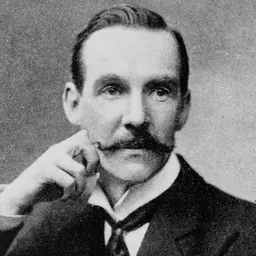
Lived 1896 – 1978 (aged 82). Joseph T. Angelo was an American laborer, soldier, repairman and lobbyist.
Joseph Thomas Angelo (16 February, 1896 – 23 July, 1978) was an American soldier and World War I recipient of the Distinguished Service Cross. Prior to joining the U.S. Army, he worked for the Du Pont Powderworks, and was afterward in the Bonus Army march of 1932.
Military service Angelo was awarded the Distinguished Service Cross for his actions during the Meuse–Argonne offensive on September 26, 1918, as the Colonel's orderly with the 1st Brigade, Tank Corps, commanded by future General George S. Patton. During the battle, in an exposed position, Patton was seriously wounded by a machine gun. Showing great courage under enemy fire, Angelo dragged Patton to safety. The citation for his DSC reads:
In the spring of 1919, an interview appeared in American newspapers in which Patton declared Angelo "without doubt the bravest man in the American Army. I have never seen his equal." According to the interviewer, Angelo began "blushing furiously" as he related the following details:
Later life Joe Angelo (seen holding the flag) had his image captured for the Washington, DC newspaper Evening Star. He took part in a ceremony on June 9th, 1932 whereupon 250 veterans, who had been detained the previous night by police, were made to take the Oath of Allegiance- a pledge against liquor and communism. Angelo was not one of the 250 detained. In 1932, while Patton continued his path on his famous military career, Angelo had returned to civilian life. He was unemployed and suffering along with many other veterans from the effects of the Great Depression. As a result, he joined the Bonus Army movement of First World War veterans demanding monetary compensation for their roles in the war. The particular issue was that these veterans had been promised compensation but they were not due to receive it until 1948 (the money was eventually awarded in 1936). Given the realities of the depression, veterans such as Angelo demanded the money be paid immediately. The veterans marched on Washington D.C., setting up camps in order to protest against the administration of President Herbert Hoover. On July 28, 1932, troops were ordered into the camps to quell the protest. In the resulting melee, two veterans were killed and many were injured. The commanders of the operation included Douglas MacArthur, Dwight D. Eisenhower, and Patton, the man saved by Angelo so many years before. In the aftermath of the assault on the camps, Angelo approached Patton, but was harshly rejected.
Spying Angelo, Patton said: "Sergeant, I do not know this man. Take him away and under no circumstances permit him to return." He explained to his fellow officers that Angelo had "dragged me from a shell hole under fire. I got him a decoration for it. Since the war, my mother and I have more than supported him. We have given him money. We have set him up in business several times. Can you imagine the headlines if the papers got word of our meeting here this morning. Of course, we'll take care of him anyway."
Personal life He was an active member of Corporal Matthews-Purnell Post, No. 518, Veterans of Foreign Wars of the United States, at Camden, New Jersey.
Awards and decorations
Distinguished Service Cross World War I Victory Medalwith two bronze campaign starsWar Medal(France) Croix de Guerre(France)
Don’t just read it —
keep it.
Full-length biographies made to live with: read them, listen on the way to work, watch them tonight.
- E-book
- Audio
- Video
Instant download · yours to keep · every purchase keeps this site free
Important facts
People in Joseph T. Angelo's life
Named in this biography and alive at the same time

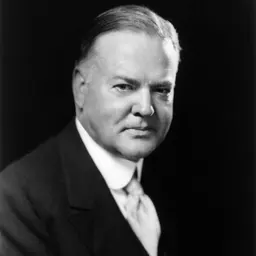


Related people
Same field, nearest in time


Contemporaries
People whose lives overlapped Joseph T. Angelo's





Frequently asked questions
Who was Joseph T. Angelo?
World War I recipient of the Distinguished Service Cross (1896−1978)
When was Joseph T. Angelo born?
Joseph T. Angelo was born on 16 February 1896 in Lattimer.
When did Joseph T. Angelo die?
Joseph T. Angelo died on 23 July 1978 in Atlantic City.
What was Joseph T. Angelo's occupation?
Joseph T. Angelo was a laborer, soldier, repairman and lobbyist.
What nationality was Joseph T. Angelo?
Joseph T. Angelo was American.
Sources & further reading
Cite this page
APA: Biography.guide. (2026). Joseph T. Angelo. https://biography.guide/joseph-t-angelo/
MLA: "Joseph T. Angelo." Biography.guide, https://biography.guide/joseph-t-angelo/.
Chicago: "Joseph T. Angelo." Biography.guide. https://biography.guide/joseph-t-angelo/.
Data last updated: 2026-09-25 · Spot an error? Report a correction.
Page generated 2026-09-27 05:13 UTC