
José Miguel Wisnik
Brazilian university teacher, pianist and composer
About José Miguel Wisnik
Born 1948. José Miguel Wisnik is a Brazilian pianist, composer, university teacher, literary scholar, writer and literary critic.
José Miguel Wisnik (born 27 October 1948) is a Brazilian composer, musician, and essayist. He is a professor of Brazilian Literature at the University of São Paulo. His studies, collected in books and periodicals, are mainly focused on the relationship between literature and music; he also deals with comparative literature.
Life and work Born in São Vicente, from a family of Polish descent, Wisnik studied the piano at the conservatory in his hometown. He graduated in Languages from the University of São Paulo in 1970 and has also a master's degree (1974) and a doctorate (1980) in literary theory and comparative literature from the same institution.
He performed for the first time as a soloist with the São Paulo Municipal Orchestra at the age of 17, interpreting Camille Saint-Saëns' Concerto nº 2. In 1968, he participated in the University Festival aired by TV Tup i, with his song Outra Viagem, sung by Alaíde Costa and later recorded by Ná Ozzetti.
Wisnik recorded four albums: the eponymous José Miguel Wisnik (1992), São Paulo Rio (2002), which featured singer Elza Soares, with whom Wisnik performed in a few shows in 2002, in addition to taking part in the artistic direction of her album Do Cóccix até o Pescoço, Pérolas aos Poucos (2003), the double CD Indivisível (2011) and Vão (2022)
Wisnik wrote essays on music and literature, among them O coro dos contrários: a música em torno da semana de 22 (1978; awarded the Jabuti Prize for New Author), O Som e o Sentido- Uma outra história das músicas (1989), Sem Receita – Ensaios e Canções (2004), Veneno Remédio (2008), about Brazil's relationship with football, and Machado Maxixe: o Caso Pestana (2008).
In addition to his records, books, essays and classes, Wisnik also makes music for film (Foreign Land, by Walter Salles and Daniela Thomas), stage (As Boas, Hamlet and Mistérios Gozozos for Teatro Oficina, and Pentesileias, by Daniela Thomas, directed by Bete Coelho) and dance. He made four soundtracks for Grupo Corpo: Nazareth, from 1993, based on the work of Ernesto Nazareth; Parabelo, from 1997, in partnership with Tom Zé; Onqotô, from 2005, with Caetano Veloso and Sem Mim, from 2011, with Carlos Nuñez, on songs by Martín Codax.
Since 2005 he has performed several series of "lesson-concerts" with guitarist and composer Arthur Nestrovski.
Don’t just read it —
keep it.
Full-length biographies made to live with: read them, listen on the way to work, watch them tonight.
- E-book
- Audio
- Video
Instant download · yours to keep · every purchase keeps this site free
Important facts
People in José Miguel Wisnik's life
Named in this biography and alive at the same time





Related people
Same field, nearest in time
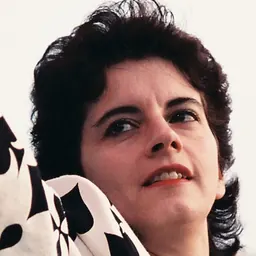

Contemporaries
People whose lives overlapped José Miguel Wisnik's
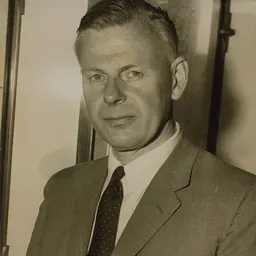
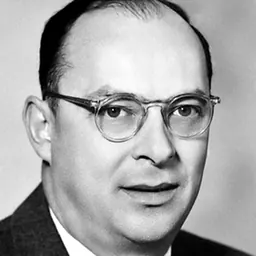
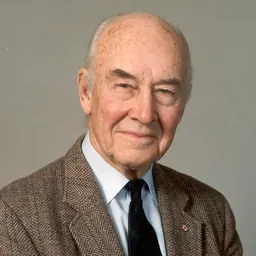

Frequently asked questions
Who is José Miguel Wisnik?
Brazilian university teacher, pianist and composer
When was José Miguel Wisnik born?
José Miguel Wisnik was born on 27 October 1948 in São Vicente.
When did José Miguel Wisnik die?
José Miguel Wisnik died in Brazil.
What is José Miguel Wisnik's occupation?
José Miguel Wisnik is a pianist, composer, university teacher, literary scholar, writer and literary critic.
What nationality is José Miguel Wisnik?
José Miguel Wisnik is Brazilian.
Sources & further reading
· Wikipedia: José Miguel Wisnik
Cite this page
APA: Biography.guide. (2026). José Miguel Wisnik. https://biography.guide/jose-miguel-wisnik/
MLA: "José Miguel Wisnik." Biography.guide, https://biography.guide/jose-miguel-wisnik/.
Chicago: "José Miguel Wisnik." Biography.guide. https://biography.guide/jose-miguel-wisnik/.
Data last updated: 2026-09-24 · Spot an error? Report a correction.
Page generated 2026-09-27 05:04 UTC