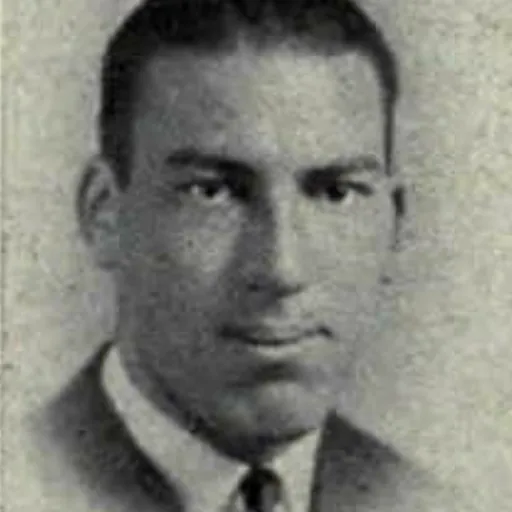
About Johnny Gee
Lived 1915 – 1988 (aged 72). Johnny Gee was an American baseball player and basketball player.
John Alexander Gee Jr. (December 7, 1915 – January 23, 1988), sometimes known as "Long John Gee" and "Whiz", Ten years later, at the time of the 1930 Census, the family remained in Syracuse, and Gee's father was employed as the superintendent of repairs for the city schools.
University of Michigan (1933–1937)
After graduating from high school, Gee enrolled at the University of Michigan in 1933. While attending Michigan, he played center for the Michigan Wolverines men's basketball team from 1934 to 1937. He was the tallest basketball player in the Western Conference at the time. As a sophomore, Gee was the second leading scorer on the 1934–35 Wolverines basketball team, scoring 64 points in 17 games. He added 74 points as a junior for 1935–36 basketball team and was selected as the captain of Michigan's 1936–37 team. Despite sustaining a broken nose, Gee scored 150 points in 18 games for the Wolverines during his senior year and helped lead the team to a 16–4 record.
Although known principally as a basketball player at Michigan, the school's baseball coach Ray Fisher, who had been a pitcher for the New York Yankees and Cincinnati Reds, persuaded Gee to play baseball as well. On June 3, 1937, Gee struck out 21 batters and allowed only three hits in a 12–2 victory over the University of Toledo.
Gee received the Big Ten Medal of Honor in 1937 as the student in the University of Michigan graduating class who had best demonstrated proficiency in both scholarship and athletics. In addition to receiving six varsity letters in basketball and baseball, Gee was also a member of the Sphinx society at Michigan and of the Phi Kappa Sigma fraternity. He graduated in 1937 with a Bachelor of Arts degree from the education school.
Professional baseball
Syracuse Chiefs (1937–1939) After graduating from Michigan, Gee signed to play professional baseball with his hometown team – the Syracuse Chiefs of the International League. On August 3, 1937, he threw a two-hit shutout against the Toronto Maple Leafs. Gee appeared in 16 games for the Chiefs in 1937, compiling a 4–3 record and a 2.90 earned run average (ERA).
In April 1938, the Chiefs' new manager Jim Bottomley chose Gee as the team's opening day starting pitcher, making him the first Syracuse native to receive the honor. Gee allowed only six hits as the Chiefs defeated the Montreal Royals, 3–1, in front of an opening day crowd of 8,000 spectators. Gee appeared in 32 games for the Chiefs in 1938, 30 as a starter, and compiled a 17–11 record with a 2.71 ERA.
On August 1, 1939, the Pittsburgh Pirates announced that they had purchased Gee from Syracuse and that he would report to the Pirates at the end of the International League season. In exchange for Gee, the Pirates paid the Chiefs $75,000 in cash and agreed to send four players to Syracuse. The $75,000 paid to the Chiefs was the highest price paid by the Pirates for a player until the purchase of Hank Greenberg in 1947. The purchase of Gee was called "the biggest deal made in the [International League] since Baltimore peddled Lefty Grove to the Philadelphia Athletics." Because of Gee's limited success in the major leagues, it has also been called "one of the biggest busts in Pirates history." Gee held the record as the tallest person ever to play Major League Baseball until Randy Johnson debuted for the Montreal Expos in September 1988.
1939 season Gee made his major league debut on September 17, 1939, against the Philadelphia Phillies. Gee held the Phillies to six hits, but the Pirates committed eight errors and lost by a 7–3 score. In his second game on September 21, 1939, Gee pitched a complete game and struck out 11 batters in a 6–4 victory over the Boston Braves. Gee appeared in three games for the Pirates in the last two weeks of the 1939 season, compiling a 1–2 record with a 4.12 ERA. He later recalled, "I guess I just threw too hard too soon." Gee's pitching arm did not improve in Syracuse, and on June 25, 1940, the Chiefs informed the Pirates that the option had been canceled. With no room on the major league roster, the Pirates placed Gee on the voluntarily retired list for a minimum of 60 days. At the time, Gee predicted that he would be ready to return to the Pirates when the 60-day voluntary retirement period lapsed.
In July 1940, the Pirates optioned Gee to the Albany Senators in the Eastern League. Gee refused to report to Albany and was placed on the ineligible list by Pirates. Gee said at the time that he was not ready to pitch and that it was unlikely he would be able to pitch again during the 1940 season. Instead of going to Albany, Gee went to the Vermont summer home of his college coach Ray Fisher. Gee told reporters, "I'm placing myself entirely under Fisher's directions.... He taught me all I know and he's the one who can straighten me out."
Gee reported to the Pirates at their San Bernardino, California, training camp in late February 1941. However, by late March, the Pirates optioned Gee to the Portland Beavers in the Pacific Coast League. Gee appeared in only two games for the Beavers, compiling a 1–0 record with a 4.50 ERA. Gee was in Dallas for less than a week and did not appear in any games. On May 23, 1941, Gee left Dallas in a salary dispute. Gee reported that the Dallas team had offered him a contract at half the salary he had received in Portland. After leaving Dallas, Gee stopped in Ann Arbor to seek advice from Coach Fisher. While in Ann Arbor, Gee told reporters that "the whole trouble is with the Pirates over the matter of salary. I like Dallas."
In late June 1941, after Gee advised that he would probably remain out of baseball for the remainder of the season, the Dallas Rebels reassigned Gee to the Pirates.
In late July 1941, the Pirates again assigned Gee to the Albany Senators, Gee's third minor league team in two months. Gee wired the Pirates that he would agree to report to Albany.
Gee ultimately appeared in only three games for the Pirates in 1941, pitching seven innings and compiling a 0–2 record with a 6.14 ERA.
Retirement in 1942 With the United States entering World War II after the attack on Pearl Harbor in December 1941, many of the best players in the major leagues were lost to military service. Gee was designated 4F and ineligible for military service due to his height. The United States military had a height limit of six feet, six inches at the time.
In 1942, Gee was assigned to the Toronto Maple Leafs in the International League. He appeared in five game for the Maple Leafs, pitching 34 innings and compiling a 2–2 record with a 4.50 ERA. Gee refused to report to Atlanta and said, "My arm just isn't right." In early July 1942, Gee applied to Commissioner Kenesaw Mountain Landis for voluntary retirement, and his request was granted.
1943 season In June 1943, Gee reported that his arm was finally in shape for him to return to pitching. His request for reinstatement was granted by Commissioner Landis, and he returned to the Pirates in mid-June.
After watching Gee throw in batting practice in mid-June, manager Frankie Frisch reported, "He certainly looks great." Gee joined the team in early July, and in his first start, he was replaced in the third inning after walking three batters to load the bases. On August 16, 1943, Gee pitched a complete game victory, allowing the Boston Braves to score only one run. In late August 1943, he got the win in a seven-inning relief appearance against the Chicago Cubs. In total, Gee appeared in 15 games for the 1943 Pirates, ten as a starter, and compiled a record of 4–4 with a 4.28 ERA. He arrived at the Pirates' training camp in Muncie, Indiana, on March 18, 1944. He appeared in only four games for the 1944 Pirates, all as a relief pitcher, and had an ERA of 7.15. After undergoing treatment in New York for his throwing arm, Gee appeared in his first game for the Giants on July 1, 1944, retiring the side in a ninth inning as a relief pitcher against the Pirates. The New York Times reported that the Giants' "first glimpse of the altitudinous Johnny Gee" was encouraging. He pitched a total of 4 innings in four games for the 1944 Giants without allowing an earned run. He reported to camp late because the Groton High School basketball team that he was coaching had advanced to tournament play. When he arrived at the Giants' camp in Lakewood, New Jersey, Gee told reporters that the soreness in his arm was gone, and he believed he would be a winner. Two weeks later, he gave up only one hit in three innings as a relief pitcher in a pre-season exhibition game. However, the soreness in his arm returned, and on June 9, 1945, Gee again announced that he was again retiring from the game. During the 1945 season, Gee appeared in only two games and pitched three innings for the Giants, allowing three earned runs for a 9.00 ERA. A wire service report on the game opened as follows:Baseball fans throughout the nation rejoiced today in the successful comeback made by Johnny Gee, the tall man with the short name. No more will they call the six foot eight inch southpaw "the $75,000 lemon."
Five days later, Gee got his second consecutive win, pitching a complete game and holding the Reds to seven hits and two runs. After the game, the Associated Press reported that "the giant Syracusan has become one of the surprises of mid-season." In early August 1946, The Sporting News published a lengthy feature story about Gee's comeback. The article noted:The six-foot-eight-inch southpaw retired last summer after trying to cure a sore arm for five years. But so determined was he to become a winning big leaguer that he reported to the Giants a month ago. Suddenly he disappeared, only to bob up again. Later he explained that before giving up a good school job in Waterloo, N.Y., he wanted to be sure he was okay, so he left the Giants to pitch a semi-pro game. Satisfied, he rejoined the team and on July 21 shut out the Reds for eight innings.
The victory over Cincinnati in late July proved to be Gee's final win as a major league pitcher. He appeared in his final major league game on September 26, 1946.
Minor leagues Gee was a no-show at the Giants' 1947 spring training camp in Arizona. In February 1947, Gee stated that he intended to complete the school year as the physical education director at Waterloo High School. "Then, if satisfied with the Giant wage offer, he'll join the National League Club." Gee's refusal to quit his school teaching job and show up for spring training reportedly placed him "at odds with the Giants."
During the 1947 and 1948 seasons, Gee was not permitted to play professional baseball, as he had been classified as a holdout by the Giants. (No record has been found indicating that Gee did report to the Giants during the 1947 season.)
In June 1948, Gee was playing for the Homer Braves in the Southern Tier League. He threw a complete game shutout against the Ithaca Vets in early June, allowing only four hits. Later that month, Gee attempted a comeback with the Giants. Gee had been away from the major leagues for two years. He pitched during batting practice for the Giants before a game in Boston on June 30, 1948, and Giants manager Mel Ott continued to inspect his work for several days thereafter. Gee did not rejoin the Giants. He pitched a six-hit victory for the Homer Braves against Groton in his first game after returning from his tryout with the Giants. Several days later, he threw a one-hitter and struck out 11 batters against the Ithaca Vets. Ithaca's sole hit in the game was a ground ball off the third baseman's glove. In late July 1948, Gee was the winning pitcher in both games of a Sunday double header. Gee compiled a 19–2 record for Homer in 1948. In August, Gee obtained a release from the Giants, allowing him to return to professional baseball after an absence of three years. He promptly signed with the Geneva Robins in the Class C Border League. After one season with Geneva, Gee left organized baseball for two years. He appeared in six games for Auburn, compiling a 4–2 record with a 2.49 ERA.
In January 1946, a Syracuse newspaper reported that Turk Karam, manager of the Syracuse Stars basketball team, was hoping to sign Gee. At the time, Gee was a physical education instructor in Waterloo, New York, and reported to be "in the best of physical condition and ready for competition." In March 1946, Gee was reportedly playing with an All-Syracuse basketball team that was combined with Karam's Syracuse Stars. He also played for the Auburn All-Stars in a March 1946 games against the Harlem Globetrotters; Gee was the leading scorer in the game with 14 points.
Gee joined the Syracuse Nationals for the 1946–47 season, the team's inaugural season in the National Basketball League. While playing for the Nationals, Gee continued with his teaching job in Waterloo. Because of his obligations as a teacher, Gee was unable to travel with the team on most road trips and appeared only in home games. On November 14, 1946, Gee was the high scorer for the Nationals in the team's first victory, and first home game, in the National Basketball League. Gee scored 17 points, 10 in the second half, before he fouled out of the game. The Nationals won the game by a 67–64 score against the Youngstown Bears in front of 1,600 spectators in Syracuse.
By January 1947, the Stars had acquired a full-time center who could play on road trips, and Gee was no longer the starting center. However, he was reportedly "clicking" as a replacement. In March 1947, Joe Reichler wrote a nationally syndicated story for the Associated Press about the influx of Major League Baseball players into the newly formed professional basketball leagues. Reichler cited Gee, Howard Schultz, and Frankie Baumholtz as the first group to make the jump. He noted: "Another who appears to prefer basketball to baseball is Long Johnny Gee, the 6–9 New York Giants southpaw who has balked at signing the baseball club's terms and is content to star for the Nationals."
During the 1947–48 season, Gee played professional basketball for the Oneida Indians from Oneida, New York.
Basketball Official (1949–1950) During the 1949–50 NBA season, Gee served as a game official. He officiated in a game between Syracuse and Baltimore in October 1949. He also played for the Oneida Indians and scored 19 points against the Syracuse Nationals in an exhibition game in late October 1949. He also played for the Elmira Knapps and scored 14 points in a January 1950 exhibition game against Syracuse.
Family and later years On August 29, 1942, Gee married Suzanne Corl of Maumee, Ohio. The two had met while both were students at the University of Michigan. They had two sons (John A. Gee III and Thomas R. Gee) and three daughters (Corlann, Nancy and Katherine). He received a master's degree from Syracuse University in 1956. He also served as an official at high school and college sporting events.
In May 1960, Gee left his position in Waterloo to become the principal at Cortland High School in Cortland, New York. He served as the principal at Cortland High School until 1977. He was later employed as a code enforcement officer for the City of Cortland from 1980 to 1985. He was posthumously inducted into the Greater Syracuse Sports Hall of Fame in 1998.
Don’t just read it —
keep it.
Full-length biographies made to live with: read them, listen on the way to work, watch them tonight.
- E-book
- Audio
- Video
Instant download · yours to keep · every purchase keeps this site free
Important facts
People in Johnny Gee's life
Named in this biography and alive at the same time




Related people
Same field, nearest in time

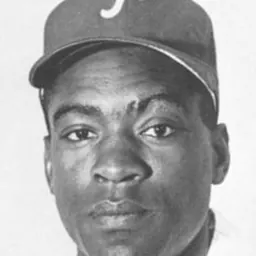
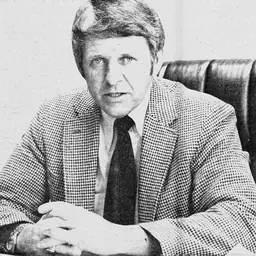
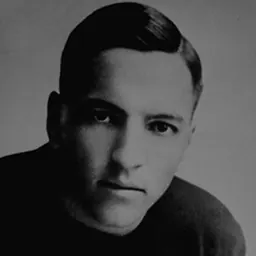
Contemporaries
People whose lives overlapped Johnny Gee's
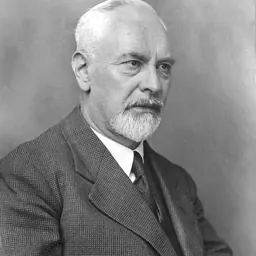




Frequently asked questions
Who was Johnny Gee?
American baseball and basketball player (1915-1988)
When was Johnny Gee born?
Johnny Gee was born on 7 December 1915 in Syracuse.
When did Johnny Gee die?
Johnny Gee died on 23 January 1988 in Cortland.
What was Johnny Gee's occupation?
Johnny Gee was a baseball player and basketball player.
What nationality was Johnny Gee?
Johnny Gee was American.
Sources & further reading
Cite this page
APA: Biography.guide. (2026). Johnny Gee. https://biography.guide/johnny-gee/
MLA: "Johnny Gee." Biography.guide, https://biography.guide/johnny-gee/.
Chicago: "Johnny Gee." Biography.guide. https://biography.guide/johnny-gee/.
Data last updated: 2026-09-20 · Spot an error? Report a correction.
Page generated 2026-09-27 05:10 UTC