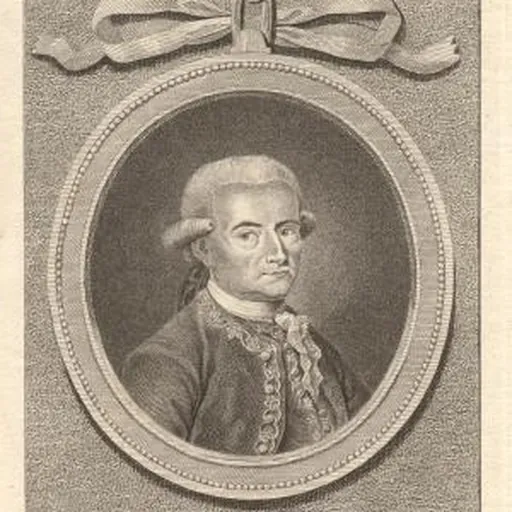
About Johann Heinrich von Carmer
Lived 1720 – 1801 (aged 80). Johann Heinrich von Carmer was a German politician, judge, jurist and grand Chancellor.
Johann Heinrich Casimir, Baron von Carmer (29 December 1720 in Kreuznach–23 May 1801 in Rützen, Silesia) was a Prussian judicial reformer. He was instrumental in the Miller Arnold case, which is an example of the principle of the independence of the judiciary. He was instrumental in the creation of Corpus Juris Fridericianum for Frederick the Great, adopted into law in 1794. For his achievements in the unification and modernization of Prussian law he was awarded the Black Eagle Order by King Frederick William II on 18 January 1788, and he was included among the names inscribed on the Equestrian statue of Frederick the Great in 1851.
Career Carmer studied law at the universities of Jena and Halle. In 1749, he worked at the Reichskammergericht (Imperial Chamber Court). In 1751, Grand Chancellor Samuel Freiherr von Coccji appointed him to the Council of Governors in Opole. From this position, he was in contact with Frederick on questions of the reform of the judiciary and the law of procedure. Frederick had great concerns about the state of justice in Prussia, understanding that it was not as up-to-date as it should be, but these were passed to the de jure chancellor-prince. The whole situation came to a head in 1778 with the Miller-Arnold Affair.
Miller Arnold Affair
The miller Arnold from the Oderbruch operated a water mill on a tributary flowing to the Oder. He was a hereditary tenant, and owed his tenancy fees on the mill to one Count Erbett. One day, however, the district council of nearby Gersdorff, which also held land abutting the river, built a carp pond. The river held only very little water, enough to run the mill, but once the Gersdorff council created the pond, the flow decreased to trickle. The miller maintained that he could not continue his business and thus could not pay fees to his master. The case went to court; Count von Schmettau made a judgment of the Patrimonial Court against the Miller in 1773. The latter now turned to the appeals court in Küstrin, which, however, confirmed Schmettau's verdict. In 1778, the mill was forcibly confiscated, and von Schmettau acquired it. The outraged miller wrote to King Frederick, who ordered an investigation.
Reshaping Prussian law As Grand Chancellor, Carmer, Samuel von Cocceji, and another jurist, Carl Gottlieb Svarez, considered among the best legal minds of the age,
Don’t just read it —
keep it.
Full-length biographies made to live with: read them, listen on the way to work, watch them tonight.
- E-book
- Audio
- Video
Instant download · yours to keep · every purchase keeps this site free
Important facts
People in Johann Heinrich von Carmer's life
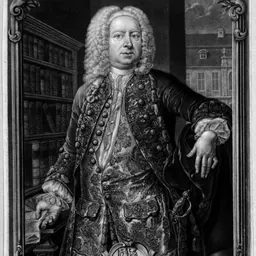
Named in this biography and alive at the same time
Related people
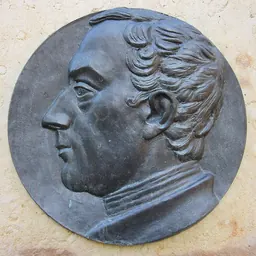
Same field, nearest in time
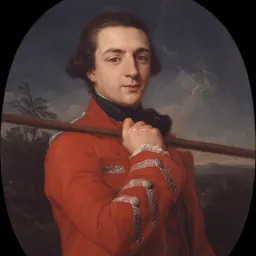
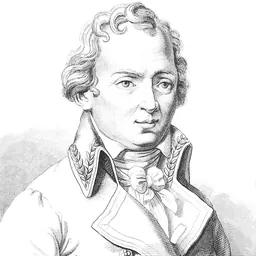

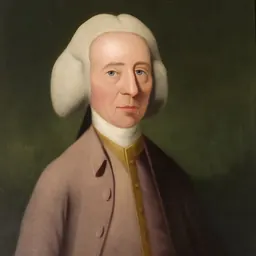
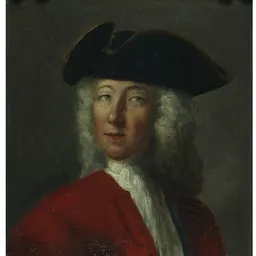
Contemporaries
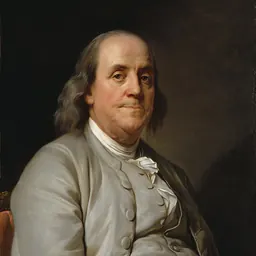
People whose lives overlapped Johann Heinrich von Carmer's
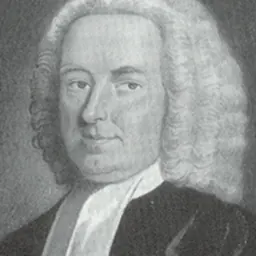

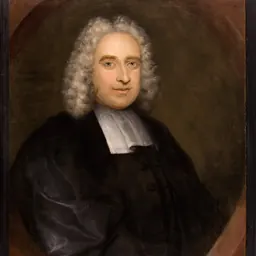
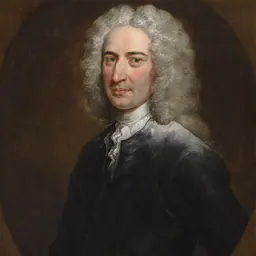
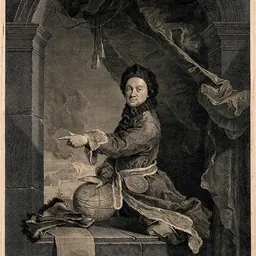

Frequently asked questions
Who was Johann Heinrich von Carmer?
German politician (1720-1801)
When was Johann Heinrich von Carmer born?
Johann Heinrich von Carmer was born on 29 December 1720 in Bad Kreuznach.
When did Johann Heinrich von Carmer die?
Johann Heinrich von Carmer died on 23 May 1801 in Ryczeń.
What was Johann Heinrich von Carmer's occupation?
Johann Heinrich von Carmer was a politician, judge, jurist and grand Chancellor.
What nationality was Johann Heinrich von Carmer?
Johann Heinrich von Carmer was German.
Sources & further reading
· Wikipedia: Johann Heinrich von Carmer
· DBpedia: Johann Heinrich von Carmer
Cite this page
APA: Biography.guide. (2026). Johann Heinrich von Carmer. https://biography.guide/johann-heinrich-von-carmer/
MLA: "Johann Heinrich von Carmer." Biography.guide, https://biography.guide/johann-heinrich-von-carmer/.
Chicago: "Johann Heinrich von Carmer." Biography.guide. https://biography.guide/johann-heinrich-von-carmer/.
Data last updated: 2026-09-28 · Spot an error? Report a correction.
Portrait: Wikimedia Commons · author & licence
Page generated 2026-10-04 12:41 UTC