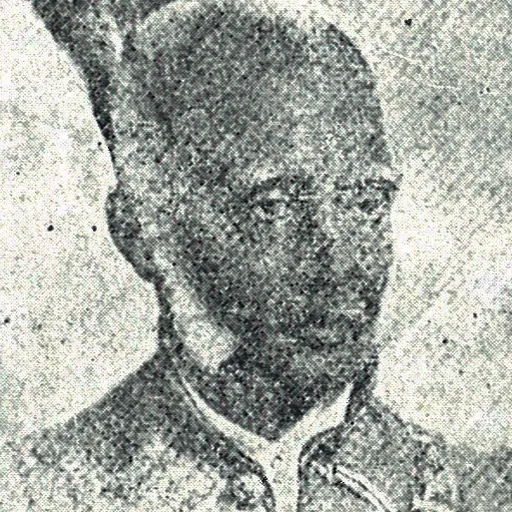
Jeronis de Soysa
Ceylonese entrepreneur and philanthropist
About Jeronis de Soysa
Lived 1797 – 1862 (aged 65). Jeronis de Soysa was a Sri Lankan ayurvedic, coffee production in Sri Lanka and industrialist, known for Entrepreneurship and Philanthropy.
Gate Mudaliyar Jeronis de Soysa (19 April 1797 – 28 May 1862) was a pioneering Ceylonese entrepreneur and philanthropist. He was a pioneer coffee planter and an industrialist who became the wealthiest Ceylonese of the 19th century by establishing the largest native commercial enterprise of the era. He was instrumental in the establishment of the first Ceylonese bank and is often referred to as a father of private enterprise in British Ceylon. He was the first Mudaliyar to be elevated in recognition of his philanthropy.
Early life Jeronis de Soysa was born on 19 April 1797 at Moratuwa. He was the second son of Warusahennadige Joseph Soysa (Jose Rala), an Ayurveda practitioner and Kurukulasuriya Senadige Francisca Peiris. He had seven brothers and three sisters and was affectionately known as Babaseñor. Both his father and grandfather Bastian Soysa and earlier ancestors; Don Francisco, Juan and Manual Soysa Muhandiram were salt and grain merchants having interests in the transportation, boat building and the agricultural sectors. Their ancestor was the lay custodian of the Devinuwara Temple, Matara at the time of its destruction by the Portuguese in 1587. De Soysa's parents originally wanted him to become a Buddhist monk and sent him to the Palliyagodella Temple Rawatawatta Moratuwa for studies. He excelled in the Ayurvedic system of medicine, the Sinhala language and Astrology. He became an Ayurvedic practitioner and possessed a charming personality. De Soysa married Francesca Coorey, daughter of Mututantrige Bastian Cooray and Kurukulasuriya Senadige Justina Pieris in 1833. Mututantrige Sebastian Coorey, an ancestor of Francesca had built the Rawatawatte Dutch Chapel in 1675.
Trade and Industry De Soysa inherited a small fortune from his uncles Daniel Peiris and Hendrick Peiris III, who were ship owners with Yatra building yards at Oruwella, Panadura and Grandpass, Colombo. He invested this in expanding the trading network between the Maritime and Kandyan Provinces with the assistance of his brothers. In 1820 he established himself as a general merchant in Kandy, becoming one of the first Sinhalese to do so. Meanwhile, de Soysa also became famous as Babasingha Vedamahatmaya, a sought-after Ayurvedic physician in Kandy and was reputed to have saved the lives of numerous plantation Tamils. De Soysa's business prospered and he received several government supply contracts, including one that involved in the construction of the Colombo-Kandy road. These investments enabled him to accumulate the large capital necessary to rent the franchising for the supply of arrack. Later, he curtailed his investment in the distillery and tavern industry.
In 1836 de Soysa bid for the Diyatalawa kanda 'Kings Garden-Rajmal Uyana' in Hanguranketha (against British planters such as George Bird) at the request of the administrative officer of the region that had been appointed by king Sri Vikrama Rajasinha. This was an overgrown coffee (flower) estate previously used by the Kandyan kings as a country retreat. He also purchased many of the cinnamon estates that were previously owned by the Dutch administration in Moratuwa, Ratmalana, Dambuwa and Katunayake, citronella plantations in Ahangama and coconut plantations throughout the island. His land holdings in Colombo consisted of several estates that stretched between Galle Face and Panadura. The De Soysa and Peiris family established the first Ceylonese-owned bank, the Bank of Kandy at Dalada Weediya and Pettah, Colombo in 1839 & 1860, at a time when European owned banks were reluctant to extend credit to the Ceylonese and the high interest rates of the Nattukkottai Chettiars. De Soysa was also reputed for his treatment of employees and had relied to a greater extent on the low country population. He played a significant role in improving agriculture and the infrastructure in the Kandyan province and the coastal districts.
The large scale road building projects of de Soysa include the road from Mailapitiya to Hanguranketha and Haragama and the road from Haragama to Kolongaha and Maha Oya in the Central Province. He also had the Polgasowita-Mattegoda-Delgahakanda roads of Salpiti Korale constructed. In 1839 he constructed the road from Galle road to Kospalankissa and several roads in Chilaw district. The roads from Telawela to Katubedda and Mampe, the Angulana road to Kuda-Kalapuwa and the Uyana road were also constructed in the Western Province. which was in a state of collapse. After rebuilding and renovating the temple he nominated the Ven. Attadassi Thero as its Chief Incumbent and gifted the surrounding lands to the Temple. and facilitated an Oriental Library in Hanguranketa. He empowered the traditional Gam Sabhas, established a Legal Aid Society, a library and an association for social reform (Sadarana Sarana Samagama) in Moratuwa.
Towards the end of his life, de Soysa embraced Christianity in appreciation of the blessings and recognition that had been bestowed on him. He died, leaving Charles de Soysa, aged 26, entrusted with the management of an estate worth millions. His infrastructure and tank building projects were commendable, considering the fact that it came after the abolition of the traditional rajakriya system of free compulsory labour and the devastation caused following the Kandyan convention. In 1853, de Soysa was appointed Gate Mudaliyar by the Governor George William Anderson. He was the first native headman to be appointed for public benefactions as opposed to government service.
Don’t just read it —
keep it.
Full-length biographies made to live with: read them, listen on the way to work, watch them tonight.
- E-book
- Audio
- Video
Instant download · yours to keep · every purchase keeps this site free
Important facts
People in Jeronis de Soysa's life
Named in this biography and alive at the same time


Contemporaries
People whose lives overlapped Jeronis de Soysa's






Frequently asked questions
Who was Jeronis de Soysa?
ceylonese entrepreneur and philanthropist (1797-1862)
When was Jeronis de Soysa born?
Jeronis de Soysa was born on 19 April 1797 in Sri Lanka.
When did Jeronis de Soysa die?
Jeronis de Soysa died on 28 May 1862.
What was Jeronis de Soysa's occupation?
Jeronis de Soysa was an ayurvedic, coffee production in Sri Lanka and industrialist.
What was Jeronis de Soysa known for?
Jeronis de Soysa was known for Entrepreneurship and Philanthropy.
What nationality was Jeronis de Soysa?
Jeronis de Soysa was Sri Lankan.
Sources & further reading
Cite this page
APA: Biography.guide. (2026). Jeronis de Soysa. https://biography.guide/jeronis-de-soysa/
MLA: "Jeronis de Soysa." Biography.guide, https://biography.guide/jeronis-de-soysa/.
Chicago: "Jeronis de Soysa." Biography.guide. https://biography.guide/jeronis-de-soysa/.
Data last updated: 2026-09-22 · Spot an error? Report a correction.
Portrait: Wikimedia Commons · author & licence
Page generated 2026-09-27 05:02 UTC