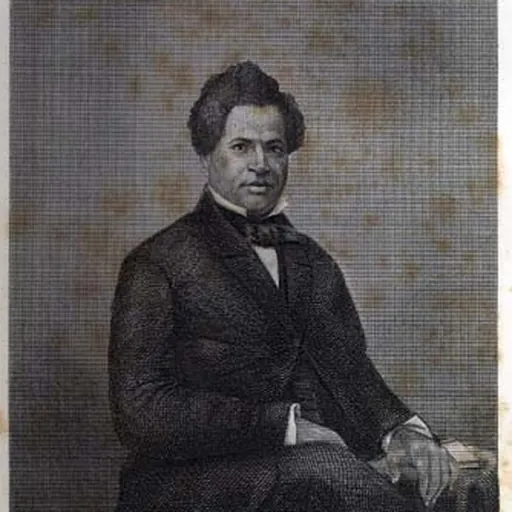
About Jermain Wesley Loguen
Lived 1813 – 1872 (aged 59). Jermain Wesley Loguen was an American priest, autobiographer, abolitionist, abolitionism and african Methodist Episcopal Zion Church.
Rev. Jermain Wesley Loguen (February 5, 1813 – September 30, 1872), born Jarm Logue, in slavery, was an American abolitionist and bishop of the African Methodist Episcopal Zion Church, and an author of a slave narrative.
Biography
Jarm Loguen was born to an enslaved woman named Cherry, in Davidson County, Tennessee, and her owner, a white man named David Logue. Cherry had been born free in Ohio, but was kidnapped and sold into slavery.
In contrast with Frederick Douglass and many other fugitives, Loguen declined to ensure his safety by purchasing his freedom, or to allow others to purchase it for him, arguing that to do so would compromise his manhood and his "God-given gift of freedom."
In 1841 Loguen began teaching in Syracuse. From 1843 to 1846 he was a minister in Bath, New York, also teaching. Page needed He was also briefly minister in Troy, New York.
Jarm and Caroline Loguen ran a major depot (stop) on the Underground Railroad. When they built their Syracuse home, they had a special “fugitive chamber” built for their operation. The Logue family did not hide the fact that they were helping runaway slaves; they published an invitation to fugitives, with their address, in the local newspaper.
Due in no small part to Loguen's labors, Syracuse became known as the most abolitionist city in the nation.
Loguen became an elder in the African Methodist Episcopal Zion Church and took the middle name Wesley after John Wesley, founder of the Methodist movement. He held various church posts and was appointed bishop in 1868.
Loguen became a popular abolitionist speaker and authored an autobiography, The Rev. J. W. Loguen, as a Slave and as a Freeman, a Narrative of Real Life (1859). The wife of his former master, Sarah Logue, wrote Loguen demanding $1,000 compensation. Loguen wrote a scathing reply, which was published in The Liberator.
The Jerry Rescue
Loguen was involved in rescuing William Henry, a cooper and a former slave. On October 1, 1851, Henry, known as "Jerry," was arrested under the Fugitive Slave Law of 1850. The anti-slavery Liberty Party was holding its state convention in the city, and when word of the arrest spread, several hundred abolitionists both black and white broke into the city jail and freed Jerry. The event came to be widely known as the Jerry Rescue. After the rescue, several people accused Loguen of assaulting a federal marshal and encouraging the violence of others. Although Loguen admitted he was at the planning of the rescue, he denied participating in the storming of the building or committing any type of violence. Fearful of being returned to slavery, he took refuge in Canada. Once in Canada, Loguen wrote a letter to District Attorney Lawrence denying the charges made against him. He also wrote to New York Governor Washington Hunt, saying that he was willing to face trial if he could be assured that he would not be captured and returned to slavery. Loguen did not receive a reply to either letter.
After the trials concluded, and a letter was published in the Frederick Douglass’ Paper that claimed that Loguen would be safe in Syracuse, Loguen decided to come back to Syracuse. He was now confident that the Fugitive Slave Law was nullified in Syracuse, and so they conducted the Underground Railroad in an open manner. Loguen printed announcements about fugitives passing through Syracuse in newspapers, advertised his personal address, and gave reports of the amount of fugitives who came through his home.
Legacy In 2011 Loguen was inducted into the National Abolition Hall of Fame, in Peterboro, New York.
Writing
Don’t just read it —
keep it.
Full-length biographies made to live with: read them, listen on the way to work, watch them tonight.
- E-book
- Audio
- Video
Instant download · yours to keep · every purchase keeps this site free
Important facts
Family & relationships
People in Jermain Wesley Loguen's life
Named in this biography and alive at the same time

Related people
Same field, nearest in time

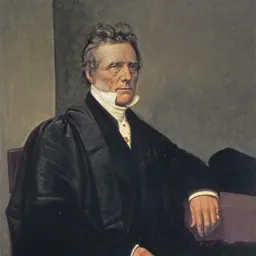
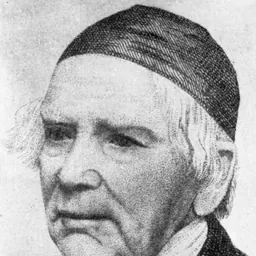
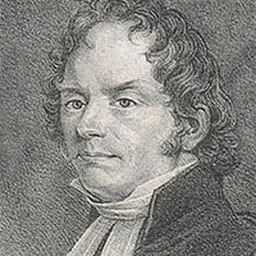
Contemporaries
People whose lives overlapped Jermain Wesley Loguen's






Frequently asked questions
Who was Jermain Wesley Loguen?
American bishop (1813–1872)
When was Jermain Wesley Loguen born?
Jermain Wesley Loguen was born on 5 February 1813 in Davidson County, Tennessee.
When did Jermain Wesley Loguen die?
Jermain Wesley Loguen died on 30 September 1872 in Syracuse.
What was Jermain Wesley Loguen's occupation?
Jermain Wesley Loguen was a priest, autobiographer, abolitionist, abolitionism and african Methodist Episcopal Zion Church.
What nationality was Jermain Wesley Loguen?
Jermain Wesley Loguen was American.
Sources & further reading
· Wikipedia: Jermain Wesley Loguen
· DBpedia: Jermain Wesley Loguen
Cite this page
APA: Biography.guide. (2026). Jermain Wesley Loguen. https://biography.guide/jermain-wesley-loguen/
MLA: "Jermain Wesley Loguen." Biography.guide, https://biography.guide/jermain-wesley-loguen/.
Chicago: "Jermain Wesley Loguen." Biography.guide. https://biography.guide/jermain-wesley-loguen/.
Data last updated: 2026-09-22 · Spot an error? Report a correction.
Portrait: Wikimedia Commons · author & licence
Page generated 2026-09-27 05:03 UTC