
About James Harrod
Lived 1746 – 1798 (aged 51–52). James Harrod was an American politician and american pioneer, known for Kentucky.
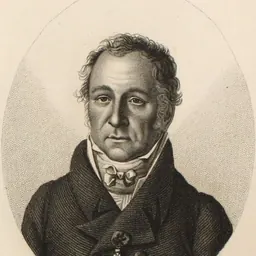
James Harrod was a pioneer, soldier, and hunter who helped explore and settle the area west of the Allegheny Mountains. Little is known about Harrod's early life, including the exact date of his birth. He was possibly underage when he served in the French and Indian War, and later participated in Lord Dunmore's War. He also rose to the rank of colonel in the local militia.
A contemporary of better known explorers, like Daniel Boone, George Rogers Clark, Benjamin Logan, and Simon Kenton, Harrod led many expeditions into the regions that are now a part of Kentucky and Illinois. He and a band of almost forty men founded the first permanent settlement in Kentucky on June 16, 1774, although it had to be abandoned the same year. Restored in 1775, the community was known as Harrodstown and then Harrodsburg in his honor.
In 1792, Harrod disappeared while on a hunting trip in the wilderness. While it is possible that he was killed by Indians or became ill and died of natural causes, some have suggested that he took a "wilderness divorce" from his wife, His actual year of birth is disputed. When he volunteered as one of "Captain Cochran's Recruits" in June 1760, he listed his age at sixteen, but historian James C. Klotter notes that his listed height of 5 feet, 2 inches differed greatly from his adult height of over six feet and may suggest that he lied about his age in order to serve. His skill with a rifle was particularly noteworthy. The family relocated to Fort Littleton, where Harrod served as a ranger and a guard.
In 1763, Harrod joined Henry Bouquet in his relief of Fort Pitt during Pontiac's Rebellion. Leaving from Fort Redstone, Harrod and 37 men traveled down the Monongahela and Ohio Rivers to the mouth of the Kentucky River, eventually crossing Salt River into what is today Mercer County, Kentucky. On June 16, 1774, the men established the first pioneer settlement in Kentucky, Harrod's Town. at Logan's Station, a settlement established by fellow explorer Benjamin Logan. Throughout the 1780s, he served as a trustee for the settlement that bore his name. Although Harrod had said he was not afraid, he made out the will. He also allowed a fellow explorer and friend, Michael Stoner, to accompany him on the trip.
According to Stoner's account, the group had camped on the Three Forks of the Kentucky River (Beattyville, Kentucky) near an area where Harrod had found an abundance of beaver. One morning, Stoner was making breakfast while Harrod and Bridges checked their traps. Suddenly, Bridges rushed back to the camp, claiming that he heard a shot from Harrod's vicinity. When Harrod did not return, Bridges offered to look for him. He soon returned and claimed that he had seen fresh signs of Indian activity in the woods, and was sure Harrod must have been killed. Stoner wanted to look for Harrod, but Bridges insisted that it was too dangerous. Eventually, Stoner acquiesced. Soon after the expedition, Bridges went to Lexington where he sold some furs and some silver buttons engraved with the letter "H" at a local shop. The shopkeeper sent the buttons to Ann Harrod, who said they belonged to her husband.
Later, while searching the area where Harrod was last seen, some of Harrod's friends found some bones in a cave. The bones were still tightly wrapped in sedge grass, which appeared to have been used to help transport the body to its present location. Some of the friends claimed that the bones were wearing Harrod's shirt, and that the buttons were missing. Others claimed there was no shirt at all. Regardless, when the men returned, Bridges had fled the area. Harrod's family claimed that Bridges' flight proved that Harrod's friends had found Harrod's body in the cave and feared that he would be implicated in his death. However, when Ann applied for Harrod's pension, she swore he had died in a hunting accident and that his clothes had been found in a nearby river.
Don’t just read it —
keep it.
Full-length biographies made to live with: read them, listen on the way to work, watch them tonight.
- E-book
- Audio
- Video
Instant download · yours to keep · every purchase keeps this site free
Important facts
People in James Harrod's life
Named in this biography and alive at the same time


Related people
Same field, nearest in time



Contemporaries
People whose lives overlapped James Harrod's





Frequently asked questions
Who was James Harrod?
American pioneer (1746–1798)
When was James Harrod born?
James Harrod was born in 1746 in Bedford County.
When did James Harrod die?
James Harrod died in 1798.
What was James Harrod's occupation?
James Harrod was a politician and american pioneer.
What was James Harrod known for?
James Harrod was known for Kentucky.
What nationality was James Harrod?
James Harrod was American.
Sources & further reading
Cite this page
APA: Biography.guide. (2026). James Harrod. https://biography.guide/james-harrod/
MLA: "James Harrod." Biography.guide, https://biography.guide/james-harrod/.
Chicago: "James Harrod." Biography.guide. https://biography.guide/james-harrod/.
Data last updated: 2026-09-22 · Spot an error? Report a correction.
Page generated 2026-09-27 05:31 UTC