
About Itakura Shigemune
Lived 1586 – 1657 (aged 70–71). Itakura Shigemune was a Japanese samurai.
was a Japanese daimyō of the early Edo period. Shigemune's daimyō family claimed descent from the Shibukawa branch of the Seiwa Genji. The Itakura identified its clan origins in Mikawa Province. The descendants of Itakura Katsushige, including the descendants of his eldest son Shigemune, were known as the elder branch of the clan. In 1622, his service was rewarded by his assignment as daimyō of Sekiyado Domain. and he would continue in this significant role for over 30 years (1620–1654).
In the subtle currents of shogunate politics, he is said to have gone to great lengths to develop a sense of impartiality in judgement. When approached with a case to judge, he would place a lantern between himself and the speaker, and busy himself with making tea, so that he would not let external appearances interfere with his sense of justice.
Shigemune was expected to guard the palace and to supervise court officials; but over time, he learned that this office was no sinecure. For example, when Emperor Go-Kōmyō took fencing lessons, Shigemune is reported to have threatened to commit suicide, and Go-Kōmyō is said to have replied, "I have never seen a military man kill himself, and the spectacle will be interesting. You had better have a platform erected in the palace grounds so that your exploit can be witnessed." Both men somehow found a way to survive this impasse.
Shigemune died at Sekiyado.
The merit earned by Shigemune's loyal service to the shogunate was remembered years later when devastation of the Itakura family was threatened by the otherwise unpardonable actions of a descendant. In 1739, Hosokawa Munetake of Higo was killed inside Edo Castle by Itakura Katsukane, and the killer was ordered to commit suicide as just punishment; however, Shōgun Yoshimune personally intervened to mitigate untoward adverse consequences for the killer's fudai family.
Shigemune's grave is at Kōetsu-ji temple, in Kyoto. He also has a grave at Chōen-ji, in Nishio, Aichi.
Family Father: Itakura Katsushige Mother: Ao Nagakatsu's daughter Wives: Naruse Masanari's daughter Toda Ujikane’s daughter Children Itakura Shigesato (1619–1662) by Toda Ujikane’s daughter Itakura Shigekata (1620–1684) daughter married Naitō Masakatsu daughter married Honda Toshinaga daughter married Ōta Sukemune daughter married Endō Yoshitoshi daughter married Morikawa Shigemasa daughter married Matsudaira Mitsushige daughter married Naitō Tadamasa daughter married Matsudaira Terutsuna daughter married Matsudaira Terutsuna (as 2nd wife) Juko-in married Ichihashi Masanobu Senshō-in married Matsudaira Sukenobu
Don’t just read it —
keep it.
Full-length biographies made to live with: read them, listen on the way to work, watch them tonight.
- E-book
- Audio
- Video
Instant download · yours to keep · every purchase keeps this site free
Important facts
People in Itakura Shigemune's life
Named in this biography and alive at the same time


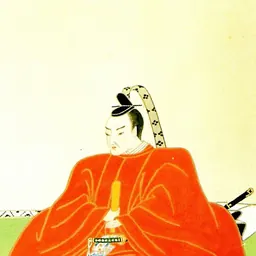


Related people
Same field, nearest in time
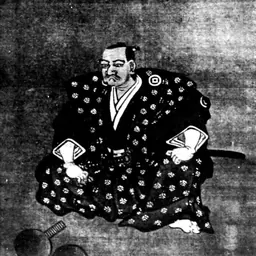


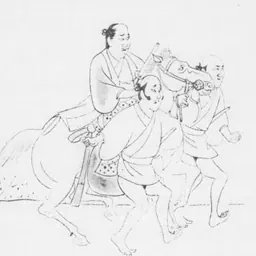
Contemporaries
People whose lives overlapped Itakura Shigemune's



Frequently asked questions
Who was Itakura Shigemune?
Japanese Daimyo
When was Itakura Shigemune born?
Itakura Shigemune was born in 1586 in Shizuoka.
When did Itakura Shigemune die?
Itakura Shigemune died on 15 January 1657.
What was Itakura Shigemune's occupation?
Itakura Shigemune was a samurai.
What nationality was Itakura Shigemune?
Itakura Shigemune was Japanese.
Sources & further reading
· Wikipedia: Itakura Shigemune
Cite this page
APA: Biography.guide. (2026). Itakura Shigemune. https://biography.guide/itakura-shigemune/
MLA: "Itakura Shigemune." Biography.guide, https://biography.guide/itakura-shigemune/.
Chicago: "Itakura Shigemune." Biography.guide. https://biography.guide/itakura-shigemune/.
Data last updated: 2026-09-20 · Spot an error? Report a correction.
Page generated 2026-09-27 05:33 UTC