
About Go-Kōmyō
Lived 1633 – 1654 (aged 21). Go-Kōmyō was a Japanese ruler.
, posthumously honored as , was the 110th emperor of Japan, according to the traditional order of succession.
Go-Kōmyō's reign spanned the years from 1643 through 1654.
This 17th-century sovereign was named after the 14th-century Nanboku-chō Emperor Kōmyō and go- (後), translates as later, and thus, he could be called the "Later Emperor Kōmyō". The Japanese word go has also been translated to mean the second one, and in some older sources, this emperor may be identified as "Kōmyō, the second", or as Kōmyō II".
Genealogy Before Go-Kōmyō's accession to the Chrysanthemum Throne, his personal name (his imina) was ; and his pre-accession title was .
He was the fourth son of Emperor Go-Mizunoo. His mother was Fujiwara no Mitsuko, the daughter of the Minister of the Left (Sadaijin); but he was raised as if he were the son of Tōfuku-mon'in.
Lady-in-waiting (Naishi-no-Suke) : Niwata Hideko (d. 1685; 庭田秀子), Niwata Shigehide's daughter First daughter: Imperial Princess Takako (1650–1725; 孝子内親王) later Empress Dowager Reiseimon’in (礼成門院)
Events of Go-Kōmyō's life Tsuguhito-shinnō was granted the title of Crown Prince; and the following year, he became Emperor when Empress Meishō abdicated. His sister stepped down from the throne and the succession (senso) was received by the new monarch. Shortly thereafter, Emperor Go-Kōmyō is considered to have acceded to the throne (sokui). The events during his lifetime shed light on his reign. The years of Go-Kōmyō's reign correspond with a period in which Tokugawa Iemitsu and Tokugawa Ietsuna were leaders at the pinnacle of the Tokugawa shogunate.
April 20, 1633: The birth of an Imperial prince who will become known by the posthumous name of Go-Kōmyō-tennō. 1641 (Kan'ei 19): Prince Tsuguhito was named heir; and he was given the title of Crown Prince. 1643 (Kan'ei 20, 29th day of the 9th month): The empress ceded her throne to her brother by abdicating; and the succession (senso) was received by his younger brother. His reign is considered to have begun. There is a probability that the emperor died of smallpox.
Kugyō is a collective term for the very few most powerful men attached to the court of the Emperor of Japan in pre-Meiji eras. Even during those years in which the court's actual influence outside the palace walls was minimal, the hierarchic organization persisted.
In general, this elite group included only three to four men at a time. These were hereditary courtiers whose experience and background would have brought them to the pinnacle of a life's career. During Go-Kōmyō's reign, this apex of the Daijō-kan included: Sesshō, Nijō Yasumichi, 1635–1647 Sesshō, Kujō Michifusa, 1647 Sesshō, Ichijō Akiyoshi, 1647 Kampaku, Ichijō Akiyoshi, 1647–1651 Kampaku, Konoe Hisatsugu, 1651–1653 Kampaku, Nijō Mitsuhira, 1653–1663 Sadaijin Udaijin Naidaijin Dainagon
Eras of Go-Kōmyō's reign The years of Go-Kōmyō's reign are more specifically identified by more than one era name or nengō.
Don’t just read it —
keep it.
Full-length biographies made to live with: read them, listen on the way to work, watch them tonight.
- E-book
- Audio
- Video
Instant download · yours to keep · every purchase keeps this site free
Important facts
Family & relationships
People in Go-Kōmyō's life
Named in this biography and alive at the same time


Related people
Same field, nearest in time
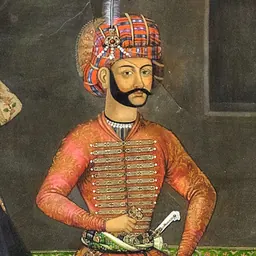



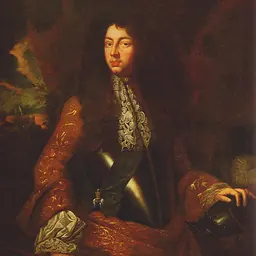
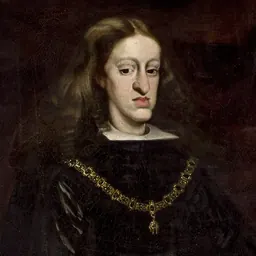
Contemporaries
People whose lives overlapped Go-Kōmyō's




Frequently asked questions
Who was Go-Kōmyō?
emperor of Japan (1633–1654)
When was Go-Kōmyō born?
Go-Kōmyō was born on 20 April 1633 in Kyoto.
When did Go-Kōmyō die?
Go-Kōmyō died on 30 October 1654 in Kyoto.
What was Go-Kōmyō's occupation?
Go-Kōmyō was a ruler.
What nationality was Go-Kōmyō?
Go-Kōmyō was Japanese.
Sources & further reading
Cite this page
APA: Biography.guide. (2026). Go-Kōmyō. https://biography.guide/go-komyo/
MLA: "Go-Kōmyō." Biography.guide, https://biography.guide/go-komyo/.
Chicago: "Go-Kōmyō." Biography.guide. https://biography.guide/go-komyo/.
Data last updated: 2026-09-20 · Spot an error? Report a correction.
Page generated 2026-09-27 05:19 UTC