
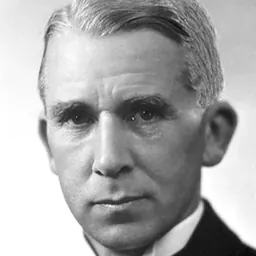
Irvin M. Cohen
Psychiatrist
About Irvin M. Cohen
Lived 1922 – 2019 (aged 96–97).
Irvin M. Cohen, M.D. (1922–2019) was a psychiatrist specializing in psychopharmacology, recognized for his role in the early use of chlorpromazine in the treatment of schizophrenia, the development of the first benzodiazepine (Librium) treatments in depressive patients, and in the adoption of lithium to treat bipolar disorder.
In the 1950s and 60s, Cohen implemented the clinical trials that supported the pharmacological advances in these areas, bringing to patients a new era of pharmaceuticals, many of which have remained in widespread use throughout the 2020s.
Early life and education Irvin M. Cohen was born in Birmingham, Alabama, on August 29, 1922. He attended the University of Texas at Austin (1939-1943) and the University of Texas Medical Branch at Galveston (1943-1945), before serving as a captain in the Army Medical Corps.
Career
Psychiatry, early psychopharmaceuticals Post World War II, Cohen established a private practice in Galveston, TX.
With his particular interest in psychopharmacology, he was an early proponent of the use of chlorpromazine in the treatment of schizophrenia, though he became increasingly aware of its limitations. Chlorpromazine, introduced in 1951, was seen as "more effective than any of the old drugs, including morphine," and "for psychiatrists working on the front line it was a miracle drug." But the very excitement generated by this drug suggested to Cohen that further trials were necessary.
In 1955, Cohen presented his paper, Complications of Chlorpromazine Therapy, at the 111th annual meeting of the American Psychiatric Association, as well as with a small number of patients in the Texas Correctional System.
Cohen's clinical trials produced impressive results. The drug, in smaller doses, had a powerful anxiolytic (anti-anxiety) action, which occurred without any accompanying clouding of consciousness or intellectual dysfunction. Toxicity was minimal, and the success of Phase III testing in thousands of patients in three settings (prison, clinic, and private office) led to its approval by the FDA in February 1960. A month later, it was marketed as Librium.
Lithium Lithium's psychoactive properties had first been described in 1949 by John Cade, an Australian, with significant advances further described by Danish scientists Mogens Schou and Poul Baastrup in 1954. In the United States, research progress was delayed due to the unfortunate circumstance that six months before the publication of Cade's research, lithium salts had been approved as a "taste substitute" for table salt, "leading to a number of severe poisonings and some deaths."
In the United States, it was not until 1970 that the American Psychiatric Association Lithium Task Force of America, "William Bunney, Irvin Cohen, Jonathan Cole, Ronald Fieve, Samuel Gershon, Robert Prien, and Joseph Tupin, after repeated meetings over 2 years, advised the FDA to approve the use of lithium carbonate for the treatment of mania, and lithium officially became available in the pharmacy." These psychopharmacologists, working in New York and Galveston, established a framework for the safe dispensation of Lithium as a treatment for mood, manic episodes, and bipolar disorder.
Positions of note Dr. Cohen held clinical professorships at Baylor College of Medicine, University of Texas Medical School, Houston, and the University of Texas Medical Branch in Galveston. He served on the Executive Council of the Board of Houston Methodist Hospital and led several psychiatric organizations in Texas and the South.
Nationally, Cohen was a Distinguished Life Fellow of the APA, and an Emeritus Fellow of the American College of Psychiatrists. He was elected Speaker of the APA Assembly 1987-88, and served on the APA Board of Trustees and its Council on Research.
Selected publications
Complications of Chlorpromazine Therapy (1956) The Benzodiazepines (1970) The Current Status of Lithium Therapy: Report of the APA Task Force
Cohen died September 7, 2019, in Savannah, Georgia, at the age of 97.
Don’t just read it —
keep it.
Full-length biographies made to live with: read them, listen on the way to work, watch them tonight.
- E-book
- Audio
- Video
Instant download · yours to keep · every purchase keeps this site free
Important facts
People in Irvin M. Cohen's life
Named in this biography and alive at the same time

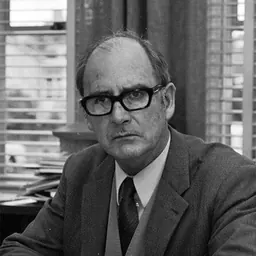



Contemporaries
People whose lives overlapped Irvin M. Cohen's

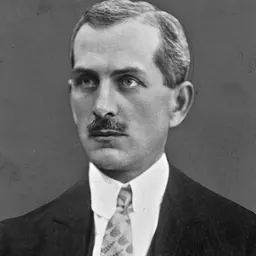
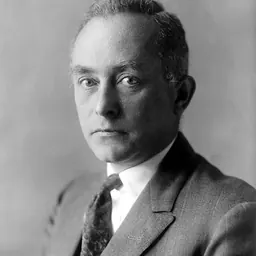
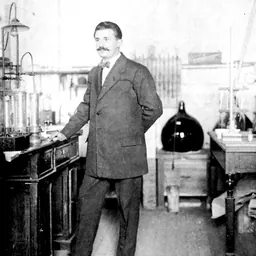

Frequently asked questions
Who was Irvin M. Cohen?
Psychiatrist
When was Irvin M. Cohen born?
Irvin M. Cohen was born on 29 August 1922 in Birmingham.
When did Irvin M. Cohen die?
Irvin M. Cohen died in 2019 in Savannah, Georgia.
What nationality was Irvin M. Cohen?
Irvin M. Cohen's recorded nationality: U.S..
Sources & further reading
Cite this page
APA: Biography.guide. (2026). Irvin M. Cohen. https://biography.guide/irvin-m-cohen/
MLA: "Irvin M. Cohen." Biography.guide, https://biography.guide/irvin-m-cohen/.
Chicago: "Irvin M. Cohen." Biography.guide. https://biography.guide/irvin-m-cohen/.
Data last updated: 2026-09-20 · Spot an error? Report a correction.
Page generated 2026-09-27 05:15 UTC