
About Hōmei Iwano
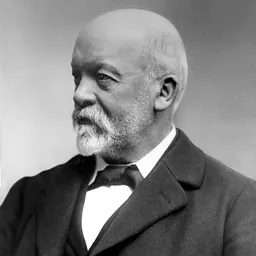
Lived 1873 – 1920 (aged 47). Hōmei Iwano was a Japanese poet, novelist, writer and translator.
Early life was a Japanese poet, literary critic, novelist and playwright associated with the Japanese naturalist movement. He first gained attention through poetry and literary criticism before turning toward autobiographical fiction in the early twentieth century, particularly through works such as Tandeki (1909) and Hōmei gobusaku (1911).
Born as Yoshie (美衛) Iwano in Sumoto, Hyogo Prefecture, he came from a family that had long served the Hachisuka clan of the former Awa Domain. After the family moved to Sumoto (1871) in the aftermath of the Inada Rebellion, Iwano reportedly experienced persecution from local children during his school years, an experience that later influenced the strongly individualistic character of his literature. Originally intending to become a Christian missionary, he was baptized in Osaka in 1887 and later studied Meiji Gakuin, Senshu Gakko and Sendai Seminary, though he left his studies unfinished.
Literary career After several successful poetry collections and kabuki dramas, he began to attract through poetical dramas and literary criticism, including Shintaishi no sahō (1907), Shintaishi shi (1907–08), Shinpiteki hanjū shugi (1906), Shin shizen shugi (1908). In these works he promoted the idea of a "new naturalism" and openly criticized both established naturalist writers such as Shimazaki Tōson and Tayama Katai and the anti-naturalist circle around Natsume Sōseki.
Scholars further note that Japanese naturalist and autobiographical literature differed from Western realism in its relative lack of plot-driven narrative structure, focusing instead on subjective experience, emotional states and the direct transcription of lived reality. Iwano's fiction exemplified this tendency through its confessional tone, emphasis on personal turmoil and rejection of heavily constructed narrative design.
Later years Besides fiction and criticism, Iwano published five collections of poetry between 1901 and 1915 and translated works by Plutarch and Arthur Symons. His essays such as modern Thought and Real Life (1913) and Anatomy of Modern Life (1915), influenced later Japanese writers and critics including Hideo Kobayashi and Chūya Nakahara. He died on May 9, 1920, from a perforated colon.
Don’t just read it —
keep it.
Full-length biographies made to live with: read them, listen on the way to work, watch them tonight.
- E-book
- Audio
- Video
Instant download · yours to keep · every purchase keeps this site free
Important facts
People in Hōmei Iwano's life
Named in this biography and alive at the same time


Related people
Same field, nearest in time
Contemporaries
People whose lives overlapped Hōmei Iwano's


Frequently asked questions
Who was Hōmei Iwano?
Japanese writer
When was Hōmei Iwano born?
Hōmei Iwano was born on 20 January 1873 in Awaji.
When did Hōmei Iwano die?
Hōmei Iwano died on 9 May 1920.
What was Hōmei Iwano's occupation?
Hōmei Iwano was a poet, novelist, writer and translator.
What nationality was Hōmei Iwano?
Hōmei Iwano was Japanese.
Sources & further reading
Cite this page
APA: Biography.guide. (2026). Hōmei Iwano. https://biography.guide/homei-iwano/
MLA: "Hōmei Iwano." Biography.guide, https://biography.guide/homei-iwano/.
Chicago: "Hōmei Iwano." Biography.guide. https://biography.guide/homei-iwano/.
Data last updated: 2026-09-20 · Spot an error? Report a correction.
Page generated 2026-09-27 04:59 UTC