
About Henry Wilde
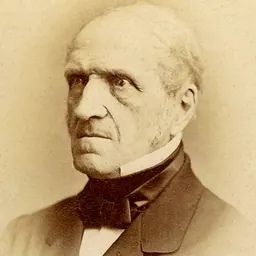
Lived 1833 – 1919 (aged 86). Henry Wilde was a British engineer.
Henry Wilde (1833 – 28 March 1919) was a wealthy individual from Manchester, England, who used his self-made fortune to indulge his interest in electrical engineering.
Wilde invented the dynamo-electric machine, or self-energising dynamo, an invention for which Werner von Siemens is more usually credited and, in fact, discovered independently. At any rate, Wilde was the first to publish, his paper was communicated to the Royal Society by Michael Faraday in 1866.
The self-energising dynamo replaces the permanent magnets of previous designs with electro-magnets and in so doing achieved an enormous increase in power. The machine was considered remarkable at the time, especially since Wilde was fond of spectacular demonstrations, such as the ability of his machine to cause iron bars to melt.
Academic patronage Wilde joined the Manchester Literary and Philosophical Society in 1859 and was President 1894–1896. He made many gifts and endowments to further the cause of science including; The Wilde Memorial Lecture of the Manchester Literary and Philosophical Society Acedémie des Sciences (Paris) annual prize A large gift to the Institution of Electrical Engineers' Benevolent Fund A Readership at Oxford University A Scholarship at Oxford University A Lectureship at Oxford University Halley Lectures Donated two dynamos to the Clarendon Laboratory in 1888. He left the remainder of his fortune to Oxford University in his will.
Litigation
Wilde launched a series of litigations to try to establish his priority for the dynamo, even disputing that the Siemens brothers had coined the name (Wilde credits Golding Bird with this).
It seems that Wilde was much inclined to indulge in litigation; when the Royal Society of Arts (RSA) attempted to bestow their highest award, the Albert Medal, for his contribution to the invention of the dynamo, Wilde responded with a solicitor's letter berating them for not recognising him as the sole inventor. Nevertheless, the RSA made the award in 1900.
Wilde's process Wilde's process is a method of copper-plating printing rollers which he patented in 1875. A dynamo is used to provide the electricity required for the plating process, and the same mechanical power source is used to either rotate the work being plated or drive a paddle to agitate the electrolyte. This procedure ensures an even thickness of copper which is essential in printing.
Albert Medal
The citation for the Albert Medal awarded to Wilde by the Royal Society of Arts in 1900 reads;
Don’t just read it —
keep it.
Full-length biographies made to live with: read them, listen on the way to work, watch them tonight.
- E-book
- Audio
- Video
Instant download · yours to keep · every purchase keeps this site free
Important facts
People in Henry Wilde's life
Named in this biography and alive at the same time
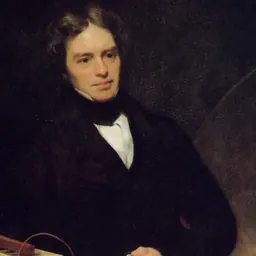
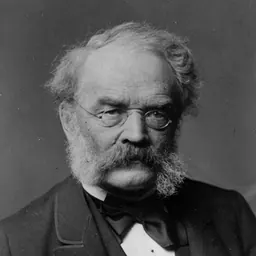

Related people
Same field, nearest in time
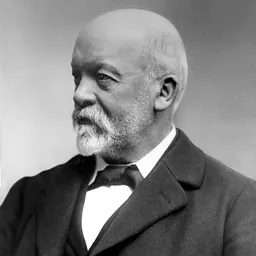
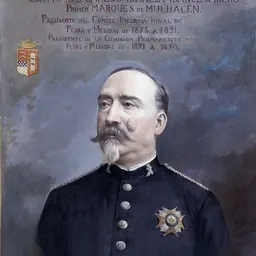

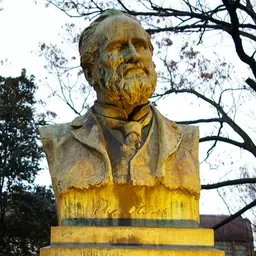
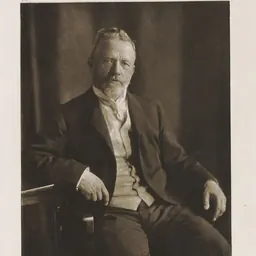
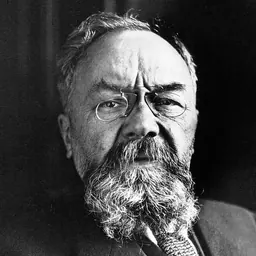
Contemporaries
People whose lives overlapped Henry Wilde's
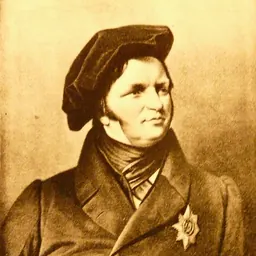




Frequently asked questions
Who was Henry Wilde?
British electrical engineer (1833-1919)
When was Henry Wilde born?
Henry Wilde was born on 19 January 1833 in Manchester.
When did Henry Wilde die?
Henry Wilde died on 28 March 1919 in Cheshire.
What was Henry Wilde's occupation?
Henry Wilde was an engineer.
What nationality was Henry Wilde?
Henry Wilde was British.
Sources & further reading
· DBpedia: Henry Wilde (engineer)
Cite this page
APA: Biography.guide. (2026). Henry Wilde. https://biography.guide/henry-wilde/
MLA: "Henry Wilde." Biography.guide, https://biography.guide/henry-wilde/.
Chicago: "Henry Wilde." Biography.guide. https://biography.guide/henry-wilde/.
Data last updated: 2026-09-20 · Spot an error? Report a correction.
Page generated 2026-09-27 05:23 UTC