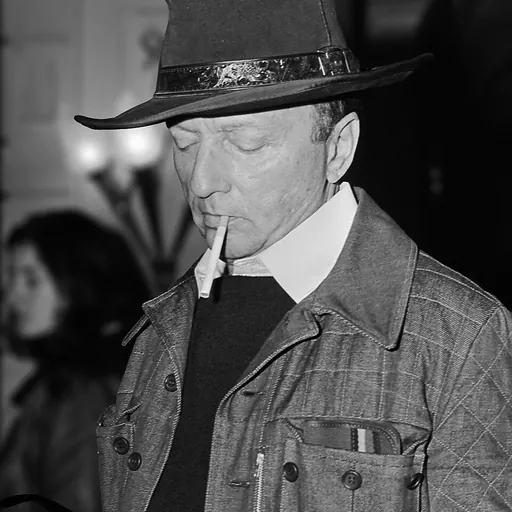
About Harold Robbins
Lived 1916 – 1997 (aged 81). Harold Robbins was an American writer, novelist and screenwriter.
Novels
Never Love a Stranger, 1948 (made into the 1958 film) The Dream Merchants, 1949 (made into a 1980 TV miniseries) A Stone for Danny Fisher, 1952 (made into the 1958 film King Creole) Never Leave Me, 1953 79 Park Avenue, 1955 (made into the 1977 TV miniseries) Stiletto, 1960 (made into the 1969 film) The Carpetbaggers, 1961 (made into both the 1964 film of the same name and the 1966 film Nevada Smith) Where Love Has Gone, 1962 (made into the 1964 film) The Adventurers, 1966 (made into the 1970 film) The Inheritors, 1969 The Betsy, 1971 (made into the 1978 film) The Pirate, 1974 (made into the 1978 TV movie) The Lonely Lady, 1976 (made into the 1983 film) Dreams Die First, 1977 Memories of Another Day, 1979 Goodbye, Janette, 1981 The Storyteller, 1982 Spellbinder, 1982 Descent from Xanadu, 1984 The Piranhas, 1986 The Raiders, 1995 (sequel to The Carpetbaggers) The Stallion, 1996 (sequel to The Betsy) Tycoon, 1997
Posthumously published novels credited to Robbins Works bearing Robbins' name continued to appear after his death. The earliest three posthumous Harold Robbins novels (The Predators (1998), The Secret (2000) and Never Enough (2001) are generally thought to have been completed by ghostwriters, but may have been partially or even substantially based on completed work or notes written by Robbins. Junius Podrug has been identified as the uncredited ghostwriter of Sin City (2002) and Heat of Passion (2003). From 2004 to 2011, a series of novels credited to Robbins and Podrug appeared, although they are strictly the work of Podrug, writing in Robbins's style.
The Predators, 1998 The Secret, 2000 (sequel to The Predators) Never Enough, 2001 Sin City, 2002 Heat of Passion, 2003 The Betrayers (with Junius Podrug), 2004 Blood Royal (with Junius Podrug), 2005 The Devil to Pay (with Junius Podrug), 2006 The Looters (with Junius Podrug), 2007, Madison Dupree No. 1 The Deceivers (with Junius Podrug), 2008, Madison Dupree No. 2 The Shroud (with Junius Podrug), 2009, Madison Dupree No. 3 The Curse (with Junius Podrug), 2011, Madison Dupree No. 4
In popular culture Robbins is referenced in the 1979 Fawlty Towers episode "Waldorf Salad", in which Sybil Fawlty and a hotel guest bond over their fondness for his novels while Basil disparages his writing. Robbins is mentioned (along with Jacqueline Susann) in Star Trek IV: The Voyage Home by Admiral James T. Kirk, as archetypal 20th century writers, whom his first officer Spock recognizes as "the giants".
Don’t just read it —
keep it.
Full-length biographies made to live with: read them, listen on the way to work, watch them tonight.
- E-book
- Audio
- Video
Instant download · yours to keep · every purchase keeps this site free
Important facts
People in Harold Robbins's life
Named in this biography and alive at the same time



Related people
Same field, nearest in time




Contemporaries
People whose lives overlapped Harold Robbins's



Frequently asked questions
Who was Harold Robbins?
American novelist (1916–1997)
When was Harold Robbins born?
Harold Robbins was born on 21 May 1916 in New York City.
When did Harold Robbins die?
Harold Robbins died on 14 October 1997 in Palm Springs.
What was Harold Robbins's occupation?
Harold Robbins was a writer, novelist and screenwriter.
What nationality was Harold Robbins?
Harold Robbins was American.
Sources & further reading
Cite this page
APA: Biography.guide. (2026). Harold Robbins. https://biography.guide/harold-robbins/
MLA: "Harold Robbins." Biography.guide, https://biography.guide/harold-robbins/.
Chicago: "Harold Robbins." Biography.guide. https://biography.guide/harold-robbins/.
Data last updated: 2026-09-22 · Spot an error? Report a correction.
Portrait: Wikimedia Commons · author & licence
Page generated 2026-09-27 05:00 UTC