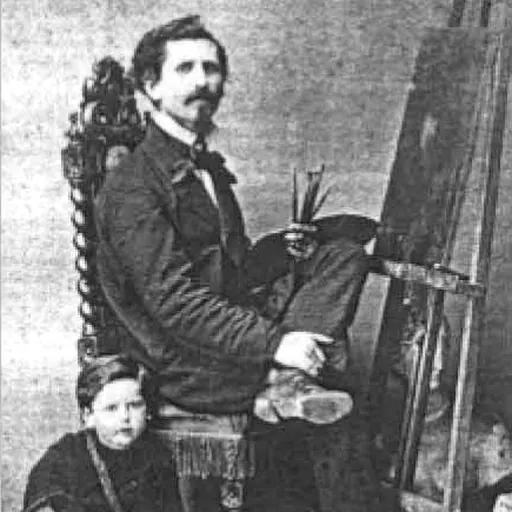
About Gustav Adolf Schultze
Lived 1825 – 1897 (aged 71–72). Gustav Adolf Schultze was a painter, photographer and portrait painter.
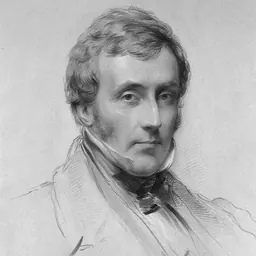
Gustav Adolf Schultze (18 December 1825 – 1897) was a German portrait painter and photographer.
Life Gustav Adolf Schultze was born in 1825 in Naumburg, Province of Saxony, the son of a theologian who later gave up the profession of clergyman and worked as a master needle maker in the Saale / Unstrut district.
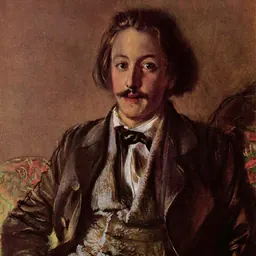
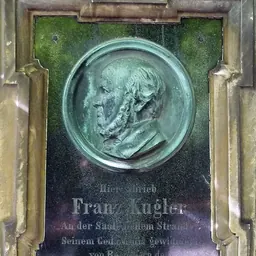
After his school years in Naumburg, Schultze went to Berlin in 1843 to study painting with the then director of the academy, Johann Gottfried Schadow, and then portrait painting with Eduard Magnus. On Schadow's recommendation, Schultze met the art historian Franz Theodor Kugler, who became a fatherly friend. Schultze was also friendly with the poet Emanuel Geibel, whom he also portrayed. This portrait is now in the Paul Schultze-Naumburg Künstlerheim in Weimar. The writer Paul Heyse also belonged to the circle of friends.
On 12 February 1854, Schultze married Emma Louise Emilie Lienemann (1833–1895). Shortly after the marriage, the couple moved into Lindenring in Naumburg. The young Friedrich Nietzsche was also a frequent guest there. In 1882, he would produce one of Nietzsche's famous portraits. The photo appeared on the French first edition of Thus Spoke Zarathustra.
The marriage resulted in six children: a daughter, Emma Fanny Emilie, born in 1854, the eldest son Paul Richard, born in 1855, Max in 1857 and Arthur in 1861. Johanna Katharina Emmy was born in 1867, but she only lived a month. The youngest child Paul Eduard was born in 1869, later known as Paul Schultze-Naumburg.
In addition to portrait painting, Schultze also dealt with photography, which had just started at the time. As one of the first artists in this new field, he extended the search for motifs to include sacred buildings. He sought to bring the Naumburgers closer to the artistic treasures of their cathedral. There were technical imperfection of the photographs at that time, and the images from that time have not been preserved.
During the last years of his life, Schultze suffered from an eye disease that eventually led to complete blindness. He spent this time on his rural estate in near Naumburg, where he died in 1897.
His son Paul (1869–1949) became a painter; he started his studies in Karlsruhe and completed them in Munich, where he was a member of the Munich Secession.
Don’t just read it —
keep it.
Full-length biographies made to live with: read them, listen on the way to work, watch them tonight.
- E-book
- Audio
- Video
Instant download · yours to keep · every purchase keeps this site free
Important facts
People in Gustav Adolf Schultze's life
Named in this biography and alive at the same time




Related people
Same field, nearest in time
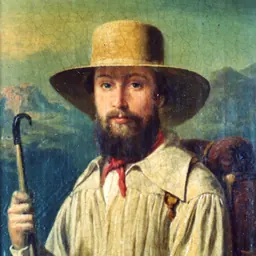
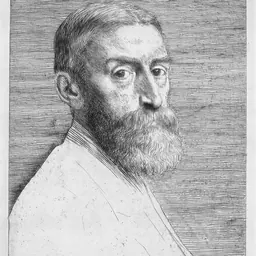
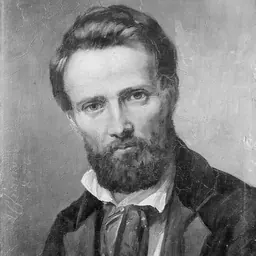

Contemporaries
People whose lives overlapped Gustav Adolf Schultze's

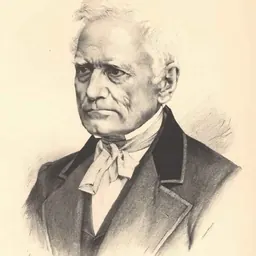

Frequently asked questions
Who was Gustav Adolf Schultze?
German painter (1825-1897)
When was Gustav Adolf Schultze born?
Gustav Adolf Schultze was born on 18 December 1825 in Naumburg.
When did Gustav Adolf Schultze die?
Gustav Adolf Schultze died in 1897 in Almrich.
What was Gustav Adolf Schultze's occupation?
Gustav Adolf Schultze was a painter, photographer and portrait painter.
What nationality was Gustav Adolf Schultze?
Gustav Adolf Schultze's recorded nationality: German Reich.
Sources & further reading
· Wikipedia: Gustav Adolf Schultze
· DBpedia: Gustav-Adolf Schultze
Cite this page
APA: Biography.guide. (2026). Gustav Adolf Schultze. https://biography.guide/gustav-adolf-schultze/
MLA: "Gustav Adolf Schultze." Biography.guide, https://biography.guide/gustav-adolf-schultze/.
Chicago: "Gustav Adolf Schultze." Biography.guide. https://biography.guide/gustav-adolf-schultze/.
Data last updated: 2026-09-22 · Spot an error? Report a correction.
Portrait: Wikimedia Commons · author & licence
Page generated 2026-09-27 04:58 UTC