
About Gregorio Albarracín
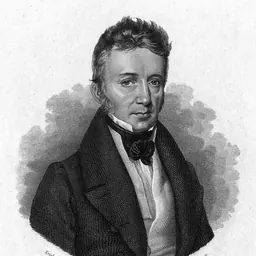
Lived 1817 – 1882 (aged 65). Gregorio Albarracín was a Peruvian writer.
Gregorio Albarracín Lanchipa was a Peruvian Colonel and War Hero who participated in the Peruvian-Bolivian War of 1841-1842, the Peruvian Civil War of 1843–1844, the Peruvian Civil War of 1856–1858 and the War of the Pacific. He is known as El Centauro de las Vilcas as he was notable for using a vilca, a typical tree from Tacna, as a pole to raise the Peruvian flag during the Chilean administration of the area. During his youth he was a muleteer with his brothers, carrying cargo from Arica to Tacna or La Paz. He was described as loving the outdoors and riding the horses at the countryside.
He joined Juan Buendía's army and informed him of Daza's withdrawal to Arica. The horsemen of Albarracín carry out nocturnal incursions to Chilean camps as well as attack the enemy rear. His company participated in the Battle of San Francisco and the Battle of Tarapacá. After the Battle of Tarapacá, the Tacna Squad is the last to withdraw from the region and on January 27, 1880, a battle was carried out in Camarones between the horsemen of Albarracín and the grenadiers of the Chilean cavalry and that it was the last action of arms in the area.
Tacna and Arica campaign Albarracín arrives in Tacna where he reorganizes his forces with 150 horsemen now called the Flankers of Tacna.
Once the Chilean landing was known, Rear Admiral Lizardo Montero sent Colonel Gregorio Albarracín in command of the Tacna Flankers to carry out reconnaissance and harassment actions against the Chilean troops, as reported in the diary of the Chilean soldier Alberto del Solar:
On April 1, Albarracín is informed by Juan McLean that a Chilean column was in Chironta and that Celestino Vargas had been captured, so Albarracín decides to go to the town of Locumba where he attacked the Chileans who were there in the Battle of Locumba. The Chilean chief and three soldiers managed to mount and escape the confrontation, managing to reach Moquegua with the battle ending in eight Chileans killed and the rest prisoners who were sent to Tacna and then La Paz.
This battle motivated the mobilization of a Chilean column of 600 soldiers under the command of Commander José Vergara, with the aim of confronting Albarracin. Albarracin retreated towards Mirave, and from there headed south towards Sama. Vergara, who was coming in search of Albarracin, traveled to Ilabaya, and from here he oriented himself towards Sama.
Albarracín gathers the residents of Sama to confront Vergara and on April 18, 1880, the Battle of Buenavista began when Albarracín attacked the outpost of Ensign Souper who retires from the valley, to then face 450 men commanded by Tomás Yábar, Albarracín being the one who attacks first and retreats to Tacna. In the valley there were the sameños who, without weapons, were decimated in the grasslands of Sama.
Albarracin then participates in the Battle of Alto de la Alianza, first capturing a Chilean advance that informs him about the enemy troops before the Battle in Quebrada Honda and later as commander of the Peruvian cavalry with the Hussar squadrons of Junín, Gendarmes de Tacna, Guides and Flankers of Tacna which is located on the right wing of Lizardo Montero. After the allied defeat on May 26, 1880, he went to Tarata where he participated in the war council of the Army of the South held on May 30.1880. There it was decided to march to Arequipa through Puno, arriving in Arequipa on June 9.
Albarracin was then informed of the Chilean occupation of Tarata, so he decides to return to the Sierra de Tacna and together with Leoncio Prado and Juan Luis Pacheco de Céspedes participate in the Battle of Palca on July 16, 1880, and the Battle of Tarata on July 21, 1880, where the Peruvian guerrillas were destroyed by the division of Orozimbo Barbosa.
Campaign of the Breña In 1881 he went to Lima, arriving after the Battle of Miraflores. In March 1881, the dictator Nicolás de Piérola appointed him subprefect of Huarochirí and in April carried out actions against Chilean forces in Chicla and San Bartolomé.
In July 1881, along with his sons Moisés and Miguel, he was added to the General Staff of the Piérola government in Ayacucho. On November 10, under the command of a group of gendarmes, defending the government of Piérola, he defeated the hussars in the Apurímac River who were under the command of Colonel Ibarra, prefect of Cusco and who defended the government of Francisco García Calderón. Albarracín was defending Apurímac until Piérola's resignation to the presidency of Peru on November 28, 1881.
In 1882, Albarracín went to Tarata where he organized a guerrilla movement with a hundred men.
Aware of Albarracín's return to Tacna, the Chilean command sent the squad "Las Heras" with 180 men under the command of José Francisco Vergara, who went to Tarata to prepare an ambush. He then sends Captain Matta with 25 men to Chucatamani (today Héroes Albarracín) .
In order to recognize the Chilean outpost, Albarracín went there with 12 guerrillas, including his son, Lieutenant Rufino Albarracín. To recognize Chucatamani, he sends Captain José Morán, who finds no enemies in the town and advances to "El Balcón" where he is ambushed by Matta, killing Morán.
On October 2, 1882, Albarracín and his 11 guerrillas advanced waiting for the news from Morán, but in Saucini they faced Matta and his 25 soldiers. There the following dialogue between Matta and Albarracín takes place.
(Matta) Surrender Colonel Albarracín! (Albarracín) A Peruvian colonel never gives up!
In the combat in Saucini 15 Chileans and 9 Peruvians die, including Rufino Albarracín and Gregorio Albarracín.
After the skirmish, the corpses of Colonel Albarracín and his son Rufino, were taken to the plaza in the small town of Chucatamani, ordering the afflicted neighbors and in 1908, the rest of Gregorio and Rufino Albarracín were sent to Lima where they are buried in the in the Cementerio Presbítero Matías Maestro.
Don’t just read it —
keep it.
Full-length biographies made to live with: read them, listen on the way to work, watch them tonight.
- E-book
- Audio
- Video
Instant download · yours to keep · every purchase keeps this site free
Important facts
People in Gregorio Albarracín's life
Named in this biography and alive at the same time



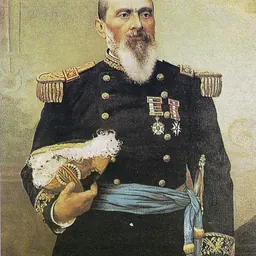
Related people
Same field, nearest in time

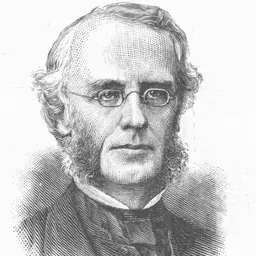
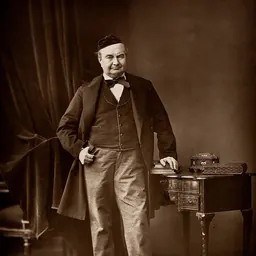
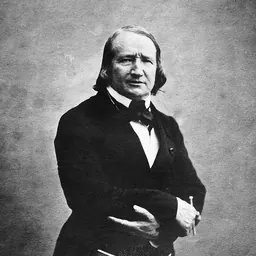
Contemporaries
People whose lives overlapped Gregorio Albarracín's



Frequently asked questions
Who was Gregorio Albarracín?
Peruvian military personnel (1817-1882)
When was Gregorio Albarracín born?
Gregorio Albarracín was born on 30 May 1817 in Tacna.
When did Gregorio Albarracín die?
Gregorio Albarracín died on 7 October 1882.
What was Gregorio Albarracín's occupation?
Gregorio Albarracín was a writer.
What nationality was Gregorio Albarracín?
Gregorio Albarracín was Peruvian.
Sources & further reading
· Wikipedia: Gregorio Albarracín
· DBpedia: Gregorio Albarracín
Cite this page
APA: Biography.guide. (2026). Gregorio Albarracín. https://biography.guide/gregorio-albarracin/
MLA: "Gregorio Albarracín." Biography.guide, https://biography.guide/gregorio-albarracin/.
Chicago: "Gregorio Albarracín." Biography.guide. https://biography.guide/gregorio-albarracin/.
Data last updated: 2026-09-26 · Spot an error? Report a correction.
Page generated 2026-09-27 05:16 UTC