
Grace Douglass
Abolitionist and milliner
About Grace Douglass
Lived 1782 – 1842 (aged 59–60). Grace Douglass was an abolitionist and modiste.
Grace Bustill Douglass (c. 1782 – March 9, 1842) was an African-American abolitionist and women's rights advocate. Her family was one of the first prominent free black families in the United States. Her family's history is one of the best documented for a black family during this period, dating from 1732 until 1925.
Life and career Grace Bustill Douglass was born in Burlington, New Jersey, to the Bustill family, a well-known abolitionist family. Her father was Cyrus Bustill, a strong leader in the community and promoter of the abolishment of slavery. Her mother was Elizabeth Morey, who was half Delaware Indian and half English. Douglass was one of eight children; she had three brothers and four sisters. Cyrus Bustill was manumitted before he got married from his Quaker owner, Thomas Prior, in 1769.
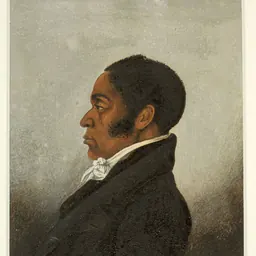
In 1803, at the age of 21, Douglass married Robert Douglass, a wealthy barber from St Kitts in the West Indies, and they had six children together. Not much is known of four of her children, but Sarah and Robert Jr. are well documented. Elizabeth was their eldest daughter; she died young after attending a private school for a few years, being forced to leave the school because parents of the white students complained. This led Douglass, along with family friend James Forten, to open up a school of their own. This school, along with private tutors, was where Sarah, Robert, and their other siblings all received their extensive educations. Sarah went on to become a famous abolitionist and teacher like her mother, and Robert was a well-known portrait painter.
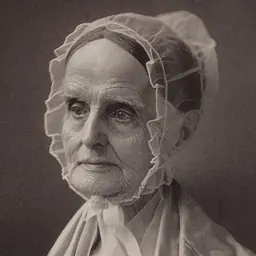
Anti-slavery activities It was from her life of privilege that Douglass decided to dedicate her life to helping less fortunate people. Douglass and her daughter Sarah met and developed a close friendship with Lucretia Mott and the Grimké sisters, Angelina and Sarah. This friendship eventually led them to create the Philadelphia Female Anti-Slavery Society
Douglass was also involved in other abolitionist activities. She was a member of the Anti-Slavery Convention of American Women, an annual meeting of antislavery societies in the free states. In 1837 and 1839, Douglass was elected as vice president for the conventions held in New York. Although Douglass was a Quaker, she was also a delegate at the annual meeting in Philadelphia for the Second African Presbyterian Church, with her husband and her sister, Mary Bustill. The members of this church thought that equality between the sexes was morally right, and they welcomed women into the organization.
Don’t just read it —
keep it.
Full-length biographies made to live with: read them, listen on the way to work, watch them tonight.
- E-book
- Audio
- Video
Instant download · yours to keep · every purchase keeps this site free
Important facts
People in Grace Douglass's life
Named in this biography and alive at the same time

Related people
Same field, nearest in time
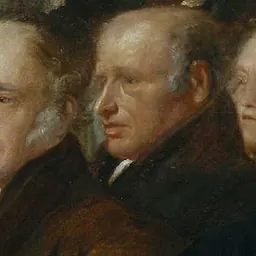
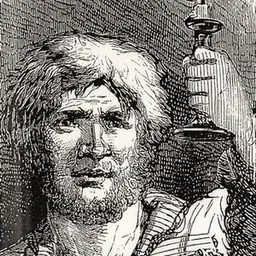
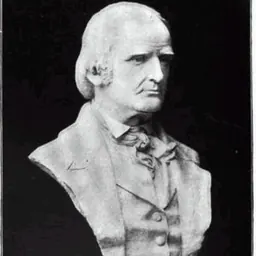
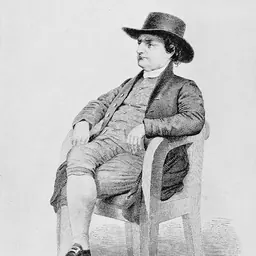
Contemporaries
People whose lives overlapped Grace Douglass's



Frequently asked questions
Who was Grace Douglass?
abolitionist and milliner
When was Grace Douglass born?
Grace Douglass was born in 1782.
When did Grace Douglass die?
Grace Douglass died on 9 March 1842 in Philadelphia.
What was Grace Douglass's occupation?
Grace Douglass was an abolitionist and modiste.
Sources & further reading
Cite this page
APA: Biography.guide. (2026). Grace Douglass. https://biography.guide/grace-douglass/
MLA: "Grace Douglass." Biography.guide, https://biography.guide/grace-douglass/.
Chicago: "Grace Douglass." Biography.guide. https://biography.guide/grace-douglass/.
Data last updated: 2026-09-20 · Spot an error? Report a correction.
Page generated 2026-09-27 05:02 UTC