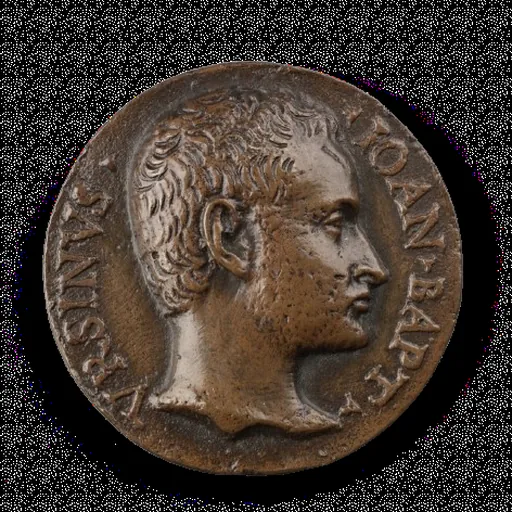
About Giambattista Orsini
Lived 1450 – 1502 (aged 51–52). Giambattista Orsini was a politician and catholic priest.
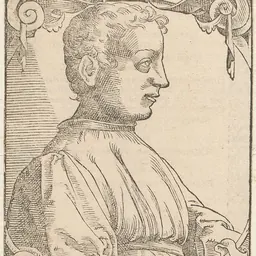
Giambattista Orsini (died February 22, 1503) (also called Giovanni Battista Orsini or Jean-Baptiste des Ursins) was an Italian Roman Catholic cardinal. He served as papal legate to the Marches of Ancona.
Biography Giambattista Orsini was born in Rome before 1450, the son of Lorenzo Orsini, signore of Monte Rotondo, and Clarice Orsini, sister of Cardinal Latino Orsini. Notable family members also include his nephews Giovanni "Leo" de' Medici and Piero de' Medici, and his brother-in-law Lorenzo de' Medici. Giambattista Orsini was the leader of the Guelph Party, meaning that he was against the election of a Holy Roman Emperor. The Orsini's greatest rival was the Roman noble Colonna family.
Little is known from his education and childhood, with the exception of the fact that his family’s upper class status certainly favored his ecclesiastical career, as he became nominated at a young age to the roles of cleric of the apostolic chamber, auditor of the Roman Sacra Rota, and canon of the chapter of the Lateran Basilica. In 1477, his uncle Latino Orsini resigned from his duty at the Benedictian monastery of San Salvatore Maggiore near Rieti, and shortly after Gianbattista was nominated as protonotary apostolic.
After being the abbot of Farfa in 1482, Orsini was nominated as the deacon cardinal of Pope Sixtus IV in the consistory of 15 November 1483, receiving the diakonia of Santa Maria in Domnica. He received the deaconry of Santa Maria in Domnica. and the red hat on November 19, 1483. Alexander VI nominated him as legate of Marca Anconetana, a role that he maintained until 1500, when he was nominated as the papal legate in Bologna and the bishop of Cartagena ad commendam, a custody he held until March of the next year. A month before he left the diakonia of Santa Maria Nuova, he opted for the title of Cardinal of Saints Giovanni and Paolo (title of Cardinal-presbyter).
On March 12, 1493, Giovanni Battista Orsini was ordained as a priest in his Roman titular church. He subsequently refrained from visiting King Charles VIII of France when he entered Rome on 31 December, 1494, because he preferred to take refuge with the pontiff in the Castel Sant'Angelo on January 7, 1495. Since he was elected as Camerlengo of the Sacred College of Cardinals on January 21, 1495, he was absent from Rome for a few days in March 1495 to then accompany the Pope to Orvieto on May 27, 1495, when the French army was approaching Rome. The two of them, alongside the rest of the papal court, returned to the Vatican the following 27th of June. In Rome, in September 1498, he was appointed as archpriest of the Basilica of Santa Maria Maggiore.
In September 1499 he was nominated as Papal legate to the king of France, Louis XII, in Milan. On May 22, 1500, he abandoned the custody of the monastery of San Lorenzo in favor of his nephew, Aldobrandini di Pitigliano. He left his legation of the Marca Anconetana on 29 July 1500 and was appointed legate in Bologna. The participation in an Orsini family reunion near Lake Trasimeno, during which a conspiracy against Alexander VI was discussed, without success, caused him to become arrested by the later and led to his imprisonment first in Tor di Nona, and then, January 3, 1503, in Castel Sant’Angelo, where he died from poisoning twenty days later. The pontiff ordered two doctors to write up a document that certified his death was from natural causes, and had a solemn funeral organized for the cardinal. His remains were buried in the church of San Salvatore in Lauro, overlooking the castle.
1492 conclave Cardinal Orsini was very influential in the papal conclave of 1492, held in August of that year. Cardinal Rodrigo Borgia was elected, taking the name Alexander VI. The election is notorious for allegations that Borgia bought the votes of his electors, promising them lucrative appointments and gifts. According to ecclesiastical historian Johann Peter Kirsch, Borgia's election was almost entirely due to Cardinal Orsini. On August 31, 1492, the new pope named Orsini papal legate to the March of Ancona. On February 27, 1493, Orsini opted for the order of cardinal priests and received the titular church of Santi Giovanni e Paolo. He was ordained as a priest in his titular church on March 12, 1493.
Don’t just read it —
keep it.
Full-length biographies made to live with: read them, listen on the way to work, watch them tonight.
- E-book
- Audio
- Video
Instant download · yours to keep · every purchase keeps this site free
Important facts
People in Giambattista Orsini's life
Named in this biography and alive at the same time

Related people
Same field, nearest in time



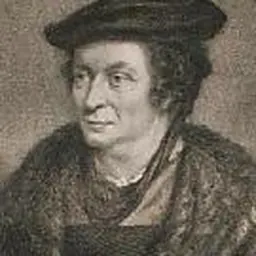
Contemporaries
People whose lives overlapped Giambattista Orsini's
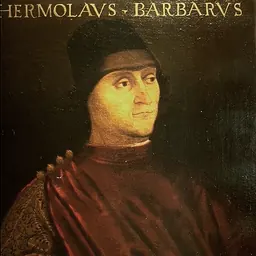
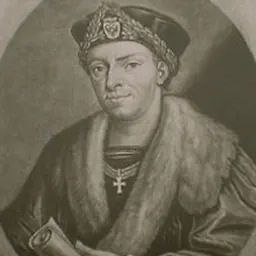
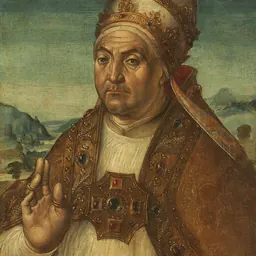


Frequently asked questions
Who was Giambattista Orsini?
Italian cardinal
When was Giambattista Orsini born?
Giambattista Orsini was born in 1450 in Rome.
When did Giambattista Orsini die?
Giambattista Orsini died on 23 February 1502 in Papal States, Rome.
What was Giambattista Orsini's occupation?
Giambattista Orsini was a politician and catholic priest.
Sources & further reading
· Wikipedia: Giambattista Orsini
· DBpedia: Giambattista Orsini
Cite this page
APA: Biography.guide. (2026). Giambattista Orsini. https://biography.guide/giambattista-orsini/
MLA: "Giambattista Orsini." Biography.guide, https://biography.guide/giambattista-orsini/.
Chicago: "Giambattista Orsini." Biography.guide. https://biography.guide/giambattista-orsini/.
Data last updated: 2026-09-21 · Spot an error? Report a correction.
Portrait: Wikimedia Commons · author & licence
Page generated 2026-09-27 04:59 UTC