About George Robertson Sinclair
Lived 1863 – 1917 (aged 53). George Robertson Sinclair was a British organist and conductor.
George Robertson Sinclair (28 October 1863 – 7 February 1917) was an English cathedral organist, who served at Truro and Hereford cathedrals.
As a young man, Sinclair was destined for the Anglican priesthood, but in 1880 his father died and Sinclair needed to earn a living immediately. He became the first cathedral organist of the new diocese of Truro. He moved from Truro to become organist of Hereford Cathedral in 1889, where he remained for the rest of his life.
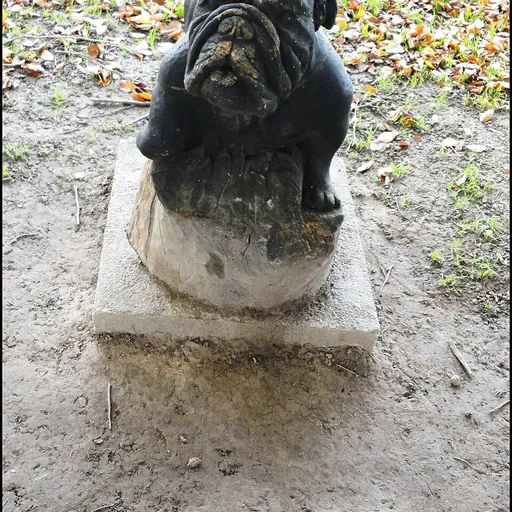
At Hereford, Sinclair was conductor of eight Three Choirs Festivals between 1891 and 1912, working with leading British musicians of the day, including Edward Elgar, who incorporated into his Enigma Variations a portrait of Sinclair and his bulldog.
Life and career
Early years Sinclair was born in Croydon, the son of Dr R S Sinclair, director of public education in Bombay. The family had Irish connections, and at the age of eight, Sinclair entered the Royal Irish Academy of Music in Dublin. The variation also depicts Sinclair's impetuous character and his skilful organ pedalling.
At Hereford, Sinclair was chief conductor of the Three Choirs Festivals of 1891, 1894, 1897, 1900, 1903, 1906, 1909 and 1912. He modernised the repertoire of the festivals, introducing music of peripheral religious relevance, including Parsifal, and of wholly secular character, such as Tchaikovsky's Pathétique Symphony. In a country still suspicious of Roman Catholicism, Sinclair programmed Verdi's Requiem, and made a considerable success with it in 1900. He, together with Elgar and Stanford and the soloists, sent a telegram to the aged composer reporting "una recita splendida del Requiem Festival di Hereford".
Sinclair died suddenly in Birmingham, aged 53, after conducting a rehearsal.
Dedications and memorials Sinclair was also the dedicatee of Elgar's Te Deum and Benedictus (1897), "Pomp and Circumstance March" No.4 (1907) and A Christmas Greeting (1907). A biographical tablet was erected to his memory in Hereford Cathedral in 1920.
Don’t just read it —
keep it.
Full-length biographies made to live with: read them, listen on the way to work, watch them tonight.
- E-book
- Audio
- Video
Instant download · yours to keep · every purchase keeps this site free
Important facts
People in George Robertson Sinclair's life
Named in this biography and alive at the same time


Related people
Same field, nearest in time

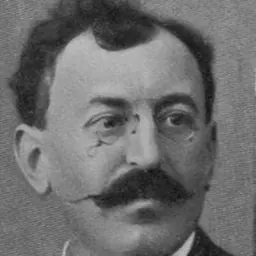
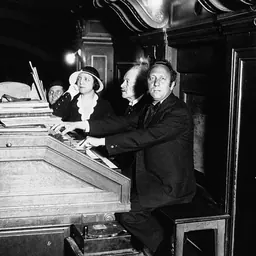
Contemporaries
People whose lives overlapped George Robertson Sinclair's

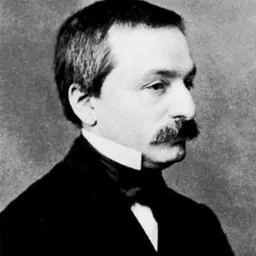


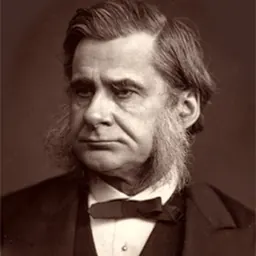
Frequently asked questions
Who was George Robertson Sinclair?
British organist
When was George Robertson Sinclair born?
George Robertson Sinclair was born on 28 October 1863 in Croydon.
When did George Robertson Sinclair die?
George Robertson Sinclair died on 7 February 1917.
What was George Robertson Sinclair's occupation?
George Robertson Sinclair was an organist and conductor.
What nationality was George Robertson Sinclair?
George Robertson Sinclair was British.
Sources & further reading
· Wikipedia: George Robertson Sinclair
· DBpedia: George Robertson Sinclair
Cite this page
APA: Biography.guide. (2026). George Robertson Sinclair. https://biography.guide/george-robertson-sinclair/
MLA: "George Robertson Sinclair." Biography.guide, https://biography.guide/george-robertson-sinclair/.
Chicago: "George Robertson Sinclair." Biography.guide. https://biography.guide/george-robertson-sinclair/.
Data last updated: 2026-09-23 · Spot an error? Report a correction.
Portrait: Wikimedia Commons · author & licence
Page generated 2026-09-27 05:05 UTC