
George Carrington
Legislator in the Colony of Virginia (1711–1785))
About George Carrington
Lived 1711 – 1785 (aged 73).
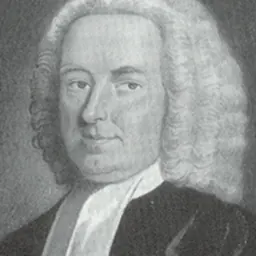
George Carrington (March 15, 1711 – February 7, 1785), was a surveyor, merchant, planter and legislator in the Colony of Virginia, who supported independence, as did his sons. As one of Virginia’s most significant landholders and with nearly four decades of part-time legislative service in the Virginia House of Burgesses and House of Delegates (with only brief interruptions), he is now considered the patriarch of the influential Carrington family.
Early and family life Carrington was born in Barbados in 1711 to Dr. Paul Carrington and his wife Henningham nee’ Codrington. His father was a merchant and physician who emigrated from Britain to St. Philip's Parish in Barbados about 1700. He is thought to have been lost at sea in 1716.
George Carrington likely had four or five brothers who survived to adulthood, of whom John, Paul and Robert Carrington remained in Barbados with their mother. In 1723, he sailed with kinsmen Joseph and William Mayo to the Virginia colony. After many re-elections, in the 1764 session, Carrington resigned in order to accept the office of county sheriff, and Thomas Prosser replaced him. But fellow burgesses expelled Prosser, and Carrington again served until after his final term in 1766. When Cumberland County was created, Carrrington also served as president of the county's justices of the peace and as colonel in its militia. However, in the 1783 session, Carrington declined an opportunity to substitute for the Speaker of the House.
Wife and children Anne (Johanna) Mayo Carrington, the eldest daughter of William Mayo, bore eleven children during her marriage to Carrington, with few surviving to adulthood. Sons Paul, Edward and Mayo inherited much acreage and served many terms in the legislature. Paul Carrington became a justice on the new state's Supreme Court, and named a son after his father. George Carrington Jr. served in the Virginia General Assembly, and along with his father at the Virginia Ratifying Convention of 1788. The father voted in favor of the constitution, with the son opposing, citing the absence of a bill of rights.
Death and legacy Carrington died at Boston Hill on February 7, 1785, and his wife followed him eight days later. They were buried together in the family cemetery there. He died intestate, i.e. without completing his will. His son Paul, who otherwise would normally inherit everything as the eldest son, divided the property equitably among all the children. One estimate claimed the estate included about 32,000 acres and personal property worth more than 1,300 pounds sterling and 18 slaves.
Don’t just read it —
keep it.
Full-length biographies made to live with: read them, listen on the way to work, watch them tonight.
- E-book
- Audio
- Video
Instant download · yours to keep · every purchase keeps this site free
Important facts
People in George Carrington's life
Named in this biography and alive at the same time


Contemporaries
People whose lives overlapped George Carrington's



Frequently asked questions
Who was George Carrington?
legislator in the Colony of Virginia (1711–1785))
When was George Carrington born?
George Carrington was born on 15 March 1711.
When did George Carrington die?
George Carrington died on 7 February 1785.
Sources & further reading
· Wikipedia: George Carrington
Cite this page
APA: Biography.guide. (2026). George Carrington. https://biography.guide/george-carrington/
MLA: "George Carrington." Biography.guide, https://biography.guide/george-carrington/.
Chicago: "George Carrington." Biography.guide. https://biography.guide/george-carrington/.
Data last updated: 2026-09-20 · Spot an error? Report a correction.
Page generated 2026-09-27 05:11 UTC