
About George Brown
Lived 1650 – 1730 (aged 79–80). George Brown was a British mathematician.
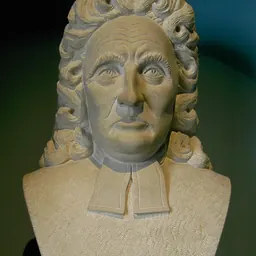
George Brown (1650–1730) was a Scottish arithmetician, and inventor of two incomplete mechanical calculating machines now kept at the National Museum of Scotland. In 1698 he was granted a patent for his mechanical calculating device.
He was minister of Stranraer, schoolmaster in Fordyce, Banffshire, and in 1680 schoolmaster at Kilmaurs, Ayrshire. He invented a method of teaching the simple rules of arithmetic, which he explained in his Rotula Arithmetica, 1700. He wrote other arithmetical works; the last of them, Arithmetica Infinitorum, was endorsed by John Keill.
Don’t just read it —
keep it.
Full-length biographies made to live with: read them, listen on the way to work, watch them tonight.
- E-book
- Audio
- Video
Instant download · yours to keep · every purchase keeps this site free
Important facts
People in George Brown's life
Named in this biography and alive at the same time

Related people
Same field, nearest in time
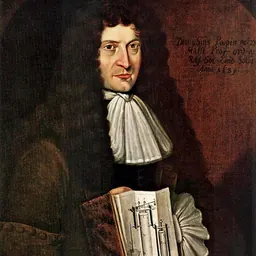
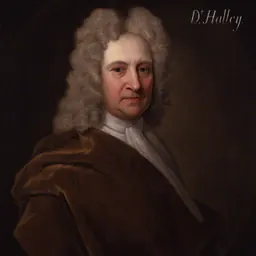

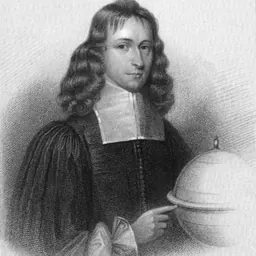
Contemporaries
People whose lives overlapped George Brown's




Frequently asked questions
Who was George Brown?
Scottish inventor, born 1650
When was George Brown born?
George Brown was born in 1650.
When did George Brown die?
George Brown died in 1730.
What was George Brown's occupation?
George Brown was a mathematician.
What nationality was George Brown?
George Brown was British.
Sources & further reading
· DBpedia: George Brown (inventor)
Cite this page
APA: Biography.guide. (2026). George Brown. https://biography.guide/george-brown-mathematician/
MLA: "George Brown." Biography.guide, https://biography.guide/george-brown-mathematician/.
Chicago: "George Brown." Biography.guide. https://biography.guide/george-brown-mathematician/.
Data last updated: 2026-09-20 · Spot an error? Report a correction.
Page generated 2026-09-27 05:25 UTC