
Gary Felsenfeld
American geneticist and molecular biologist
About Gary Felsenfeld
Lived 1929 – 2024 (aged 94). Gary Felsenfeld was an American geneticist and molecular biologist.
Gary Felsenfeld (November 18, 1929 – May 1, 2024) was an American molecular biologist and biochemist known for his pioneering work in chromatin biology and gene regulation. Over a career spanning more than six decades at the National Institutes of Health (NIH), he made seminal contributions to the understanding of chromatin structure and the epigenetic mechanisms controlling gene expression.
Early life and education Felsenfeld was born in New York City and developed an early interest in science, inspired by a fluoroscope demonstration during a childhood visit to an allergist. He attended Stuyvesant High School, graduating as valedictorian in 1947. That same year, he was a top-10 finalist in the Westinghouse Science Talent Search for a project on daylight-compatible X-ray film, which earned him a trip to Washington, D.C., and a visit to the NIH.
He earned his A.B. in chemistry from Harvard University in 1951, conducting undergraduate research under John Edsall. He then pursued doctoral studies at the California Institute of Technology under Linus Pauling, receiving his Ph.D. in chemistry in 1955. Following a postdoctoral fellowship at the University of Oxford with Charles Coulson, Felsenfeld returned to the U.S.
Career In 1956, Felsenfeld joined the Public Health Service and began work at the National Institute of Mental Health, where he studied polynucleotides and contributed to the discovery of the first three-stranded nucleic acid molecule.
From 1958 to 1961, he served as an assistant professor of biophysics at the University of Pittsburgh. In 1961, he became a founding member of the Laboratory of Molecular Biology at the National Institute of Diabetes and Digestive and Kidney Diseases (NIDDK) within the NIH. He was appointed Chief of the Section on Physical Chemistry and later served as Chief of the Laboratory of Molecular Biology.
Felsenfeld remained at the NIH for the rest of his career, becoming an NIH Distinguished Investigator and Scientist Emeritus. He was known for his hands-on approach to research and mentorship, often working at the lab bench alongside his trainees.
Research contributions Felsenfeld's research significantly advanced the understanding of chromatin structure and gene regulation:
Triple-stranded nucleic acids: In collaboration with David Davies and Alexander Rich, he demonstrated the existence of triple-stranded RNA structures, expanding the understanding of nucleic acid configurations.
Chromatin structure: He was among the first to investigate DNA folding and chromatin organization, using micrococcal nuclease as a probe to study nucleosome positioning and histone–DNA interactions.
Gene regulation: Felsenfeld's work on the β-globin gene cluster led to the identification of regulatory elements known as "insulators" which block interactions between enhancers and promoters. He discovered that the protein CTCF functions as a major genomic boundary element, playing a crucial role in the three-dimensional organization of the genome and regulation of gene expression.
Epigenetics: His studies on chromatin boundaries and long-range genomic interactions contributed to the foundation of the field of epigenetics, influencing subsequent research on cellular differentiation and development.
Merck Award (1987): Presented by the American Society for Biochemistry and Molecular Biology for his achievements in biochemistry.
Presidential Rank Award (1988): Conferred by the U.S. government for sustained extraordinary accomplishments in the federal service.
He was elected to several organizations, including the National Academy of Sciences in 1976, the American Association for the Advancement of Science in 1980, and the American Academy of Arts and Sciences in 1981.
Personal life Felsenfeld was married to Naomi for nearly 68 years and had three children and several grandchildren and great-grandchildren. He was known for his passion for science, music, literature, and art. He died on May 1, 2024, at the age of 94.
Don’t just read it —
keep it.
Full-length biographies made to live with: read them, listen on the way to work, watch them tonight.
- E-book
- Audio
- Video
Instant download · yours to keep · every purchase keeps this site free
Important facts
People in Gary Felsenfeld's life
Named in this biography and alive at the same time






Related people
Same field, nearest in time
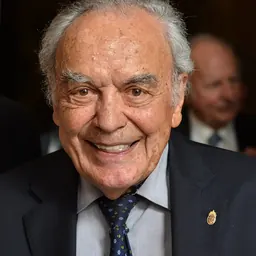
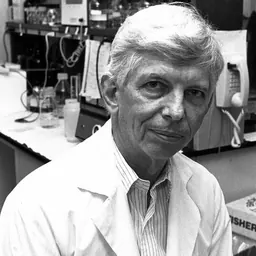
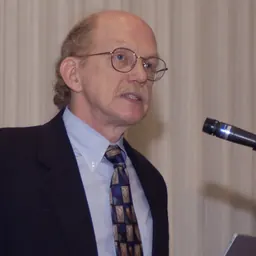
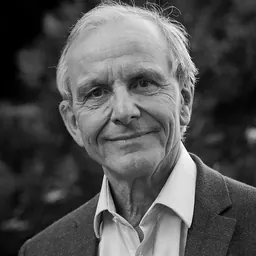

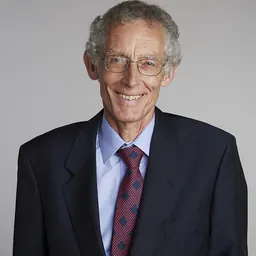
Contemporaries
People whose lives overlapped Gary Felsenfeld's


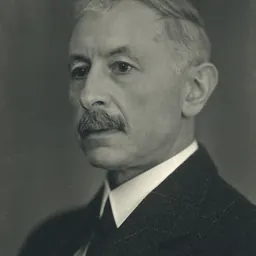
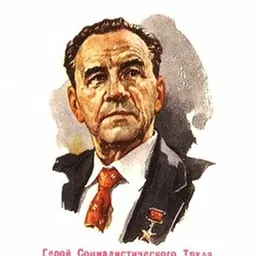
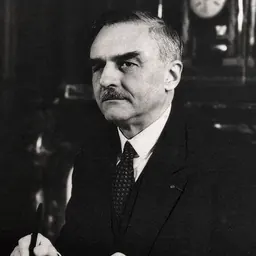
Frequently asked questions
Who was Gary Felsenfeld?
American geneticist and molecular biologist
When was Gary Felsenfeld born?
Gary Felsenfeld was born on 18 November 1929 in New York City.
When did Gary Felsenfeld die?
Gary Felsenfeld died on 1 May 2024.
What was Gary Felsenfeld's occupation?
Gary Felsenfeld was a geneticist and molecular biologist.
What nationality was Gary Felsenfeld?
Gary Felsenfeld was American.
Sources & further reading
Cite this page
APA: Biography.guide. (2026). Gary Felsenfeld. https://biography.guide/gary-felsenfeld/
MLA: "Gary Felsenfeld." Biography.guide, https://biography.guide/gary-felsenfeld/.
Chicago: "Gary Felsenfeld." Biography.guide. https://biography.guide/gary-felsenfeld/.
Data last updated: 2026-09-20 · Spot an error? Report a correction.
Page generated 2026-09-27 05:06 UTC