
Frank Wess
American saxophonist, flutist, composer and arranger
About Frank Wess
Lived 1922 – 2013 (aged 91). Frank Wess was an American bandleader, composer, conductor, saxophonist, jazz musician and flautist.
Frank Wellington Wess (January 4, 1922 – October 30, 2013) was an American jazz saxophonist and flautist. He was renowned for his extensive solo work; however, he was also remembered for his time playing with Count Basie's band during the early 1950s into the early 1960s. Critic Scott Yanow described him as one of the premier proteges of Lester Young, and a leading jazz flautist of his era—using the latter instrument to bring new colors to Basie's music.
Early life Wess was born in Kansas City, Missouri. Since he was young, Wess grew up listening to music. His mother was one of his major influences as she would take him to watch performers like Roland Hayes and Ida Cox. While speaking to his father, who was a school principal in Oklahoma, on a separate occasion, he discovered that his mother had wanted him to become a musician for a long time. Up until that pivotal moment, Wess had viewed his interactions with his mother as bonding where she emphasized the importance of being aware of culture. Before realizing that jazz was his calling, he had other interests. To name a few, Wess aspired to be a cabinetmaker and then a dentist.
Wess grew up loving the saxophone, specifically the tenor and alto saxophone. He had asked his mother for one since he was young, and she would always tell him, "Wait till you're ten years old." In 1935, Wess and his family moved to Washington, D.C. At this time, he had not been playing any longer as burnout had gotten the best of him, causing him to grow "tired of the music." His ROTC bandleader had been recruiting eligible young people who could play music professionally. He would serve as an assistant bandleader that played a variety of music, including Viennese waltzes, vaudeville, classical, and marches. It was a 17-piece swing band, and they were sent to Africa in 1942. During that tour, they performed in Dakar, Casablanca, Monrovia, Tlemcen, and Algiers. During their first gig, they played for a group of Americans, Germans, and British. The highlight of Wess's time with the Army Band was accompanying Josephine Baker on tours for Allied troops.
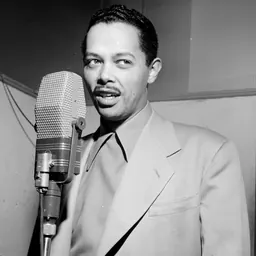
Shortly upon returning from his time in the Army in 1944, Wess joined Billy Eckstine and his orchestra. They had known each other before Wess went off to the war. At one point, Wess went to go see Eckstine at the theater; during this interaction, Eckstine said, "look, my tenor player is going into the army. Come on with me." For Broadway, Wess was a part of the pit bands for the shows Golden Boy, Chicago, Annie, and Sugar Babies. On television, he would play for The Dick Cavett Show, The David Frost Show, and The Sammy Davis Show, among others.
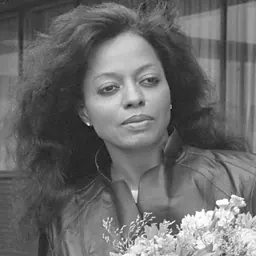
Wess continued to play outside of musicals and television shows. He became a sideman who was often in high demand by all sorts of musicians. It is estimated "that between 1964 and 2011, he participated in sessions with around 150 different artists or ensembles, from Benny Carter to Jaco Pastorius and from Annie Ross to Diana Ross." The album then moves to "Blue Monk", to pick up the tempo and bring vibrancy to the atmosphere. Wess brought back a steady swing throughout the duration of this song. The album ends with Wess's solo saxophone rendition of Duke Ellington's "All Too Soon", where he created an intimate feeling for the listeners.
Death On October 30, 2013, at the age of 91, Wess died in a taxi on "his way to get a dialysis treatment", after suffering a sudden heart attack in the cab. He had still been playing music with his friends a month before his death, although his health had been in decline for months. His last public concert was in April of that year in New York at the 54 Below club. He was survived by his partner, Sara Tsutsumi, two daughters (Michele Kane and Francine Wess), two grandchildren, and four great-grandchildren.
Marc Loehrwald, a saxophone player, said that music had been Wess's life. He loved having the opportunity to play with other musicians, and he would try to invite young and moved musicians to his house for a jam session. Wess ensured that his legacy lived far beyond than the confines of his own family.
Discography
As leader
As sideman
Don’t just read it —
keep it.
Full-length biographies made to live with: read them, listen on the way to work, watch them tonight.
- E-book
- Audio
- Video
Instant download · yours to keep · every purchase keeps this site free
Important facts
People in Frank Wess's life
Named in this biography and alive at the same time



Related people
Same field, nearest in time



Contemporaries
People whose lives overlapped Frank Wess's


Frequently asked questions
Who was Frank Wess?
American saxophonist, flutist, composer and arranger
When was Frank Wess born?
Frank Wess was born on 4 January 1922 in Kansas City.
When did Frank Wess die?
Frank Wess died on 30 October 2013 in Manhattan.
What was Frank Wess's occupation?
Frank Wess was a bandleader, composer, conductor, saxophonist, jazz musician and flautist.
What nationality was Frank Wess?
Frank Wess was American.
Sources & further reading
Cite this page
APA: Biography.guide. (2026). Frank Wess. https://biography.guide/frank-wess/
MLA: "Frank Wess." Biography.guide, https://biography.guide/frank-wess/.
Chicago: "Frank Wess." Biography.guide. https://biography.guide/frank-wess/.
Data last updated: 2026-09-20 · Spot an error? Report a correction.
Page generated 2026-09-27 05:30 UTC