
Francisca Benicia Carrillo Vallejo
Californio pioneer
About Francisca Benicia Carrillo Vallejo
Lived 1815 – 1891 (aged 75). Francisca Benicia Carrillo Vallejo was a Spanish and American, known for Benicia, California.
Doña Francisca Benicia Carrillo de Vallejo (1815-1891) was a Californio pioneer. A member of the Carrillo family of California, Carrillo was the wife of Mariano Guadalupe Vallejo. Carrillo was an early settler of Sonoma, California, the town founded by her husband. She survived the Bear Flag Rebellion and went on to oversee the Vallejo estate, Lachryma Montis, until her death in 1891. The city of Benicia, California is named after her.
Early life Francisca Benicia Carrillo was born on August 23, 1815, in San Diego in Alta California to María Ygnacia López de Carrillo and Joaquin Victor Carrillo.
On January 24, 1830, Francisca Carrillo met a young soldier named Mariano Guadalupe Vallejo who arrived in San Diego in the wake of the Solis revolt. She was 15 and he was 23 years old. Vallejo courted Carrillo over the course of two weeks before leaving for Monterey. It would be over two years Carrillo would see Vallejo in person. The two kept in touch with letters. On October 15, Mariano sent a letter to Anastasio Bustamante, the President of Mexico, asking permission to marry Carrillo. In the letter, Vallejo confirmed that their parents gave permission for the couple to be married. It took two years for Bustamante to approve the couple's request. On March 6, 1832, Carrillo and Vallejo were married at the Presidio of San Diego. José María de Echeandía attended the wedding. Echeandía gave a toast at the reception, during which he said of Carrillo: "I have known his young wife since she was eight years old, and I have had repeated occasions to admire her fine manners."
Matriarch of the Vallejo family Time in San Francisco By February 1833, Vallejo was named Commander of the Presidio of San Francisco. She was accompanied by Vallejo's brother, Salvador Vallejo, and an escort of 20 soldiers. The trip took four weeks. Salvador would go on to marry Carrillo's sister, Maria de la Luz Carillo.
Andronico Vallejo was born on March 4, 1833. He died in September and was buried at Mission San Francisco de Asis. The couple would have a second child on April 28, 1834, also named Andronico. On May 1, 1834, Governor José Figueroa assigned Vallejo the task of establishing a fort in the area, north of San Francisco, that would eventually become Sonoma County. Vallejo went to Mission San Francisco Solano to create the fort, founding Sonoma, California. Carrillo remained in San Francisco, with her son, until the summer of 1835, when they moved to Sonoma. The family lived in Casa Grande, a three-story home on the new Sonoma Plaza. The household was maintained by over twenty Native American servants, including one serving each of the children and two serving Carrillo. The Vallejo's also maintained a second home in neighboring Petaluma, the Rancho Petaluma Adobe.
Bear Flag Rebellion
Carrillo was at Casa Grande when the Bear Flag Rebellion happened in 1846, resulting in the capture of Sonoma by American immigrants for 25 days and the imprisonment of Jacob P. Leese and Vallejo. The rebels, nicknamed "Bears", placed the Bear Flag on the Sonoma Plaza, taking over the fledgling town.
During the rebellion, Carrillo's brother, Ramón, was accused of joining Juan Nepomuceno Padilla in killing two Bears, Thomas Cowie and George Fowler. Padilla and Ramón went to nearby Rancho Olompali to hide. Carrillo smuggled weapons to Ramón, Padilla, and her mother (who lived just north of Sonoma as owner of the rancho of Santa Rosa, California). The weapons included pistols, gun powder, flintlocks and sabers. They were delivered by an Indian servant named Gervasio. Ramón denied having anything to do with the death of the Americans and gave a sworn affidavit saying Padilla directed the killing of the men.
The U.S. Navy removed the Bear Flag on July 9, raising the twenty-seven star flag of the United States in its place. Carrillo celebrated the raising of the American flag, writing a letter to Vallejo, who remained imprisoned at Sutter's Fort. In the letter, she wrote that there were "great celebrations" and that she was "cheering heartily" and waving handkerchiefs. Carrillo celebrated at Casa Grande, hosting American servicemen. She also maintained a watchful eye over the new American flag, to ensure it remained in place. A soldier, who visited Casa Grande to celebrate, called Carrillo "very fat" and "having evidence of much beauty. She seems to be femininely passive and voluptuous, contented and happy." Lachryma Montis in Sonoma, Carrillo & Vallejo's home that was completed in 1852. In Sonoma, Carrillo's closest friend was Rosalía Leese, the sister of Vallejo and wife of Jacob Leese. Despite the removal of the Bear Flag and the end of the rebellion, Bear Flag rebels remained in Sonoma. Both Carrillo and Leese resented the fact that certain Bears, including William Ide and Robert B. Semple, continued to spend time in Sonoma so soon after the Navy quelled the takeover.
After the Revolt In May 1847, Vallejo gave Semple and Thomas O. Larkin a five square mile land tract, which would become Benicia, California. Vallejo wanted to name the new city "Francisca." After the naming, Carrillo was called Doña Benicia by Benicia residents.
The Vallejo's built Lachryma Montis in 1850, blocks from the Sonoma Plaza. The home would serve as the couple's final home until their deaths. It was at Lachryma Montis where Carrillo threw grand parties, including entertaining David Glasgow Farragut, William T. Sherman, Ulysses S. Grant and Edwin Bryant. She was also sarcastic and very emotional, often writing blunt, sensitive, and emotive letters to Vallejo when he was not in Sonoma.
Carrillo liked luxury goods. She wore dresses and accessories made with expensive silks and velvet that were imported from France.
The Bust of Francisca Benicia Carrillo de Vallejo was erected in 1973 at Vallejo City Hall, alongside busts of her husband and Chief Solano.
Footnotes
Don’t just read it —
keep it.
Full-length biographies made to live with: read them, listen on the way to work, watch them tonight.
- E-book
- Audio
- Video
Instant download · yours to keep · every purchase keeps this site free
Important facts
Family & relationships
People in Francisca Benicia Carrillo Vallejo's life
Named in this biography and alive at the same time


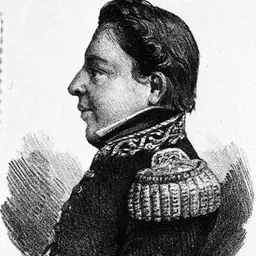


Contemporaries
People whose lives overlapped Francisca Benicia Carrillo Vallejo's




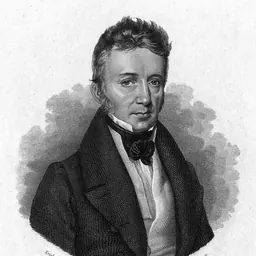
Frequently asked questions
Who was Francisca Benicia Carrillo Vallejo?
Californio pioneer (1815-1891)
When was Francisca Benicia Carrillo Vallejo born?
Francisca Benicia Carrillo Vallejo was born on 23 August 1815 in San Diego.
When did Francisca Benicia Carrillo Vallejo die?
Francisca Benicia Carrillo Vallejo died on 30 January 1891 in Sonoma.
What was Francisca Benicia Carrillo Vallejo known for?
Francisca Benicia Carrillo Vallejo was known for Benicia, California.
What nationality was Francisca Benicia Carrillo Vallejo?
Francisca Benicia Carrillo Vallejo was Spanish and American.
Sources & further reading
· Wikipedia: Francisca Benicia Carrillo Vallejo
· DBpedia: Francisca Benicia Carrillo de Vallejo
Cite this page
APA: Biography.guide. (2026). Francisca Benicia Carrillo Vallejo. https://biography.guide/francisca-benicia-carrillo-vallejo/
MLA: "Francisca Benicia Carrillo Vallejo." Biography.guide, https://biography.guide/francisca-benicia-carrillo-vallejo/.
Chicago: "Francisca Benicia Carrillo Vallejo." Biography.guide. https://biography.guide/francisca-benicia-carrillo-vallejo/.
Data last updated: 2026-09-20 · Spot an error? Report a correction.
Page generated 2026-09-27 05:34 UTC