
About Francesco Mancini
Lived 1672 – 1737 (aged 65). Francesco Mancini was an Italian composer and organist.
Francesco Mancini (16 January 1672 – 22 September 1737) was a Neapolitan composer of considerable notoriety during his time as a prolific member of the Neapolitan School, and aided in the establishment of a local practice there. His contribution to the development of Italian opera, a particularly intrinsic aspect of the Neapolitan School as a whole, is especially lauded, as well as his writings of sacred works and cantatas. His name can be found in historical sources being lauded with other members like Nicola Porpora, Alessandro Scarlatti, and Giovanni Battista Pergolesi.
Career He was an important teacher and managed to obtain his greatest duty during Alessandro Scarlatti's absence from the Neapolitan court, between 1702 and 1708. In this period, he was Director of the Conservatorio di S Maria di Loreto from his predecessor Giuliano Perugino, composing the opera, Il zelo animato there (1733), as well as being first organist and maestro of the Capella Reale. This time has been segmented by scholars into two parts: his opera phase (1707-1713) and his sacred music phase (1716-1720). His assistant while as Reale was Giuseppe Porsile. In 1735, Mancini was forced to conclude his participation at the Conservatory due to issues with his well-being, the substitute in his absence being Giovanni Fischietti.
Works His works include 29 operas (including L’Idaspe fedele, performed in London in 1710), sonatas, 7 serenatas, 12 oratorios and more than 200 secular cantatas in addition to assorted sacred music and a small amount of instrumental music. Today, he is best known for his recorder sonatas. Mancini was also well respected within his cultural milieu outside of purely music, and as such, as in the case of poet Aurora Sanseverino, he was called upon for commissions. He also benefited from the distribution of his works outside of Italy thanks to printed collections made by European publishers at the time, one of them being the French printer Michel-Charles Le Cène.
Recordings Missa Septimus SSATB [25'46"]. Currende, cond. Erik Van Nevel. KTC4031
Don’t just read it —
keep it.
Full-length biographies made to live with: read them, listen on the way to work, watch them tonight.
- E-book
- Audio
- Video
Instant download · yours to keep · every purchase keeps this site free
Important facts
People in Francesco Mancini's life
Named in this biography and alive at the same time



Related people
Same field, nearest in time


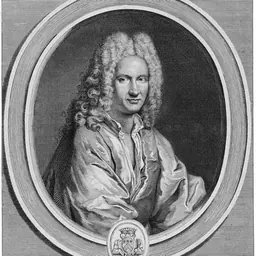
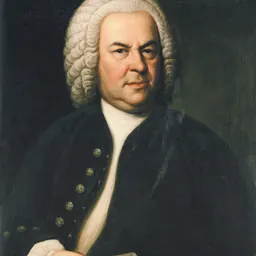
Contemporaries
People whose lives overlapped Francesco Mancini's





Frequently asked questions
Who was Francesco Mancini?
Italian composer and organist
When was Francesco Mancini born?
Francesco Mancini was born on 16 January 1672 in Naples.
When did Francesco Mancini die?
Francesco Mancini died on 22 September 1737 in Naples.
What was Francesco Mancini's occupation?
Francesco Mancini was a composer and organist.
What nationality was Francesco Mancini?
Francesco Mancini was Italian.
Sources & further reading
· Wikipedia: Francesco Mancini
· DBpedia: Francesco Mancini (composer)
Cite this page
APA: Biography.guide. (2026). Francesco Mancini. https://biography.guide/francesco-mancini-composer/
MLA: "Francesco Mancini." Biography.guide, https://biography.guide/francesco-mancini-composer/.
Chicago: "Francesco Mancini." Biography.guide. https://biography.guide/francesco-mancini-composer/.
Data last updated: 2026-09-20 · Spot an error? Report a correction.
Page generated 2026-09-27 05:18 UTC