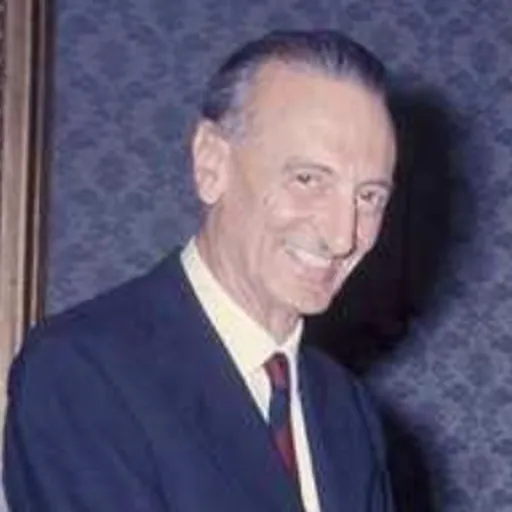
Filippo Caracciolo, 8th Prince of Castagneto
Italian prince, politician and diplomat
About Filippo Caracciolo, 8th Prince of Castagneto
Lived 1903 – 1965 (aged 62). Filippo Caracciolo, 8th Prince of Castagneto was an Italian politician.
Filippo Caracciolo, 8th Prince of Castagneto, 3rd Duke of Melito (4 March 1903 – 16 July 1965), was an Italian nobleman and anti-fascist politician who served in the National Liberation Committee (CLN) and the second government of Pietro Badoglio. His assiduous participation in the development of the automotive and tourism sectors earned him the gold medal for meritorious service to education and culture.
Born into the House of Caracciolo, a noble family dating back to the Kingdom of Naples, Caracciolo graduated and began a diplomatic career in the 1930s. During the Bari Congress, which was held in 1944 by the CLN, he was appointed secretary of the executive council and subsequently served in Badoglio's government. He was secretary of the Action Party (PdA) from 1943 to 1945 and deputy secretary general of the Council of Europe from 1949 to 1954.
Between the end of World War II and the early 1950s, alongside his political commitments, Caracciolo held roles related to national development and the protection of the country's landscape and cultural heritage, and held additional positions in various organisations and associations. He was also the first Italian president of the International Automobile Federation (FIA) and was the author of several works of journalism and non-fiction.
Early life and education Caracciolo was born on 4 March 1903 in Naples, during the Kingdom of Italy period, into the Italian nobility as a member the House of Caracciolo. He was known with the honorific of Don as a result of his nobility origins (his father was Nicola Caracciolo, 7th Prince of Castagneto, 2nd Duke of Melito, who married Meralda Mele Barrese), including being the 8th Prince of Castagneto, After the fall of the fascist regime in Italy on 25 July 1943, La Malfa returned from England to live at Caracciolo's house in Rome. During this time, he helped overcome objections for the Italian Communist Party (PCI) to join the government. Between September 1943 and September 1945, Caracciolo was appointed secretary of the PdA,
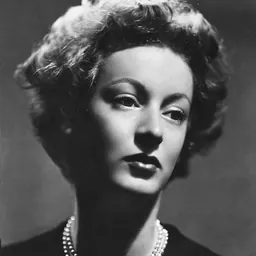
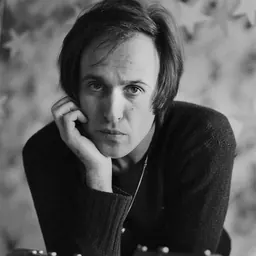
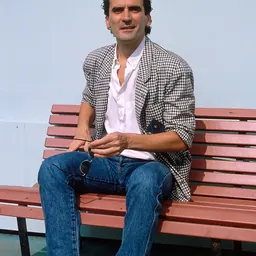
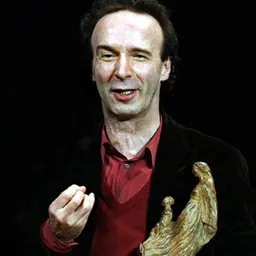
During his career, Caraccioli held many posts, including as vice president of the Tourism and Automobile Organisation (OTA), member of the board of directors of Italian Association of the Automotive Industry (ANFIA), and president or board member of numerous other organisations, including SARA Assicurazioni, L'Editrice dell'Automobile, Cofige, Sicreo, and Sacop. During their marriage, which ended with the death of Clarke in 1955, they had three children. while Marella Agnelli (1927–2019) became an art collector, socialite, style icon, and wife of Fiat S.p.A. chairman Gianni Agnelli (1921–2003), and Nicola Caracciolo (1931–2020) was a journalist, historian, and environmental activist. He died in Rome on 16 July 1965, less than two years into his term as FIA president. the son of Baroness Elisabeth Jaworski von Wolkenstein (1915–1959), who at the time of his birth had been a widow to Nobile Ettore Bernardo Rosboch (1893–1944). Rosboch von Wolkenstein's father, who was born in 1893, served during the Fascist Italy period as Undersecretary of State to the Ministry of Finance and died in 1944. Rosboch von Wolkenstein married Lilia Smecchia (born 1947). Their daughter, Elisabetta Maria Rosboch von Wolkenstein (born 1987), married Prince Amedeo of Belgium (born 1986), the hereditary Archduke of Austria-Este, with three children, and as a result became known as Princess Elisabetta of Belgium. Rosboch von Wolkenstein produced the only album by Mario Schifano's Le Stelle band during the late 1960s in what was one of the first examples of Italian underground music, and most notably was one of the producers of the 1984 fantasy comedy film Nothing Left to Do But Cry, which starred Roberto Benigni and Massimo Troisi. While some consider this claim only a suspicion, others argue it was certain that Rosboch von Wolkenstein was Caracciolo's son.
Don’t just read it —
keep it.
Full-length biographies made to live with: read them, listen on the way to work, watch them tonight.
- E-book
- Audio
- Video
Instant download · yours to keep · every purchase keeps this site free
Important facts
People in Filippo Caracciolo, 8th Prince of Castagneto's life
Named in this biography and alive at the same time

Related people
Same field, nearest in time
Contemporaries
People whose lives overlapped Filippo Caracciolo, 8th Prince of Castagneto's
Frequently asked questions
Who was Filippo Caracciolo, 8th Prince of Castagneto?
Italian prince, politician and diplomat (1903-1965)
When was Filippo Caracciolo, 8th Prince of Castagneto born?
Filippo Caracciolo, 8th Prince of Castagneto was born on 4 March 1903 in Naples.
When did Filippo Caracciolo, 8th Prince of Castagneto die?
Filippo Caracciolo, 8th Prince of Castagneto died on 16 July 1965 in Naples.
What was Filippo Caracciolo, 8th Prince of Castagneto's occupation?
Filippo Caracciolo, 8th Prince of Castagneto was a politician.
What nationality was Filippo Caracciolo, 8th Prince of Castagneto?
Filippo Caracciolo, 8th Prince of Castagneto was Italian.
Sources & further reading
· Wikipedia: Filippo Caracciolo, 8th Prince of Castagneto
Cite this page
APA: Biography.guide. (2026). Filippo Caracciolo, 8th Prince of Castagneto. https://biography.guide/filippo-caracciolo-8th-prince-of-castagneto/
MLA: "Filippo Caracciolo, 8th Prince of Castagneto." Biography.guide, https://biography.guide/filippo-caracciolo-8th-prince-of-castagneto/.
Chicago: "Filippo Caracciolo, 8th Prince of Castagneto." Biography.guide. https://biography.guide/filippo-caracciolo-8th-prince-of-castagneto/.
Data last updated: 2026-10-02 · Spot an error? Report a correction.
Portrait: Wikimedia Commons · author & licence
Page generated 2026-10-05 03:17 UTC